
Why dependable seats change the workday
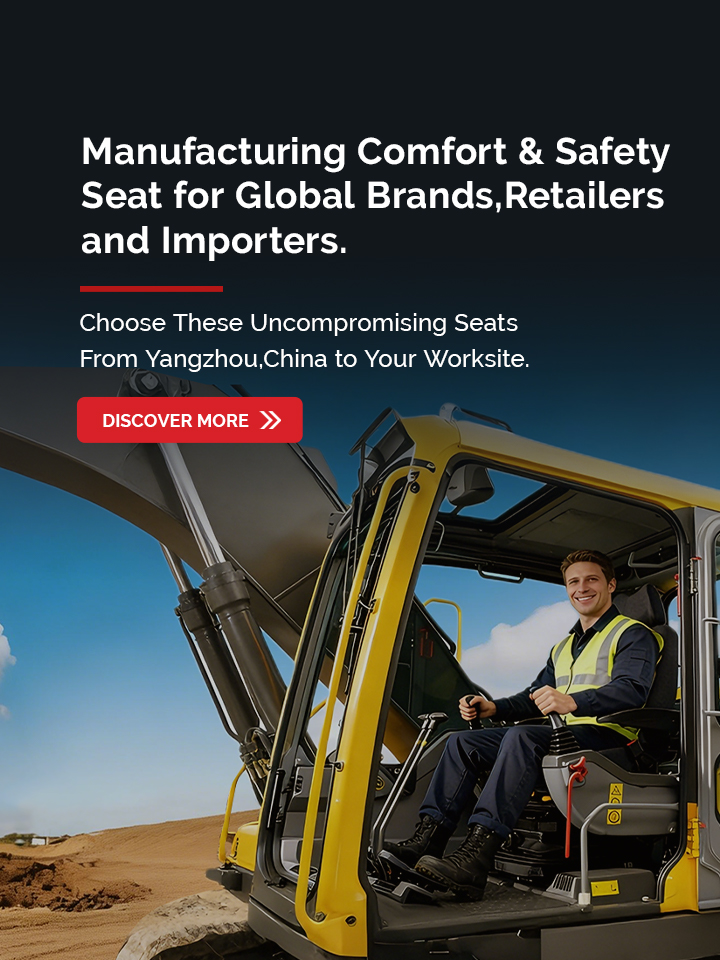
Out here on job sites, a poor seat makes a long day worse. A good suspension tractor seat keeps a driver steady over rough ground, reduces vibration and eases lumbar strain. Folks want offroad seats that hold up to dirt, long hours, and heavy use — not fancy promises. The right seat matters for safety, comfort, and uptime when machines are far from the shop.
What to compare: simple, practical measures
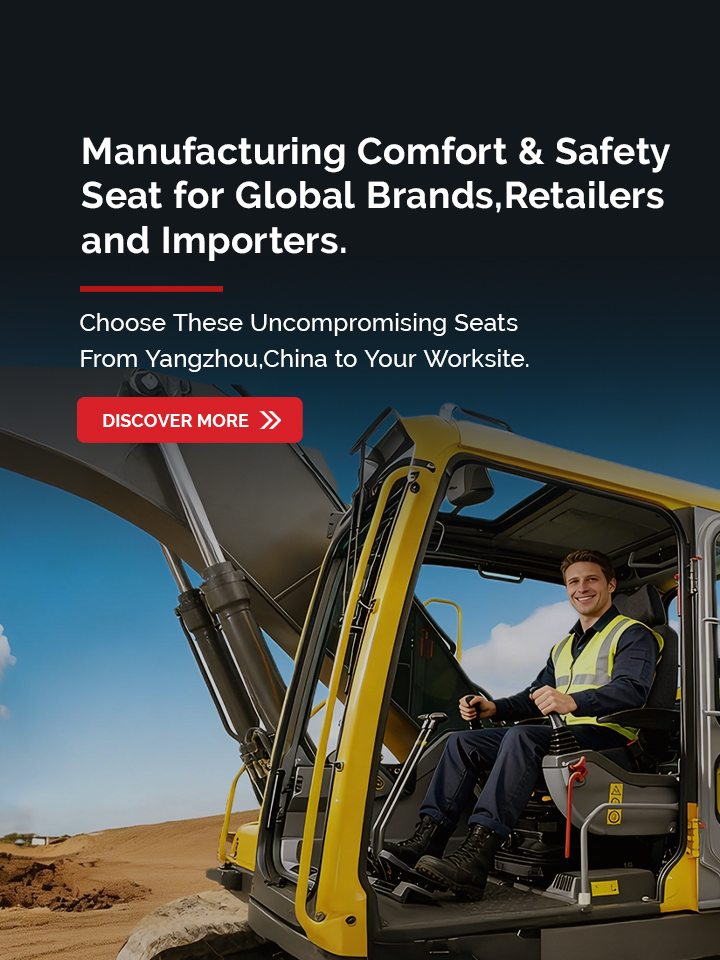
Buying decisions boil down to a few clear things. Look at suspension travel and damping — that’s the damping and shock absorber tech that actually soaks up hits. Check the seat mounting pattern and whether the cushion uses firm, breathable foam for endurance. Inspect the lumbar support and adjustability. Also factor warranty length and parts availability; a local parts supply cuts downtime. These are straightforward, but they’re what separate a reliable supplier from the rest.
How suppliers differ in the field
Some brands build seats for slide-in comfort and neat lines. Others design for serviceability and heavy-duty springs. Compare materials: marine-grade vinyl resists grime better than cheap fabric. Compare suspension types: air vs. mechanical — each has trade-offs for weight and maintenance. For contractors who haul equipment across uneven ground, a seat with clear service parts and replaceable shock absorber mounts is worth the few extra dollars.
Common mistakes shops make — and how to avoid them
Big mistake: choosing solely on price. Another one: assuming all suspension systems are the same — they’re not. Installers sometimes skip checking mounting compatibility and end up fabricating adapters that shift load and shorten seat life. Don’t ignore ergonomics; poor fit multiplies fatigue. — Also, swapping cushions without matching mounting hardware can void warranty and harm vibration damping.
A quick teardown and a real-world anchor
I took apart a mid-price construction seat to see what mattered. The foam density and lumbar assembly were under-specified; shock absorber bearings were cheap. In contrast, a heavy-duty model had sealed bearings, reinforced mount plates and a service kit with easy-to-replace bushings. The lesson: inspect internals as much as the outer finish. This aligns with broader safety concerns — the U.S. Bureau of Labor Statistics notes construction work has higher injury rates tied to machine operation, and I’ve watched a road crew on I-80 near Des Moines swap an entire seat after one season of heavy use. In our operational production teardown we looked at {main_keyword} and {variation_keyword} to judge wear patterns and expected service intervals.

Alternatives worth weighing
There’s value in off-the-shelf comfort seats, but modular seats with replaceable components pay off long-term. Air suspension gives a smoother ride but adds pump maintenance. Mechanical spring systems are simpler and easier to service in the field. Consider matching the seat choice to machine duty cycle: loader vs. grader vs. compact track — each has different vibration profiles and mounting loads.
Three golden rules for picking a supplier
1) Parts-first warranty: Make sure replacement parts and service kits are available locally or shipped quickly. Count the cost of downtime, not just the price tag. 2) Proven suspension tech: Require clear specs on suspension travel, shock absorber type, and vibration damping figures; insist on documented test intervals. 3) Fit and serviceability: Confirm mounting patterns, confirm cushion materials, and demand easy access to consumables like foam and covers.
Follow those three rules and you’ll reduce repairs, improve comfort, and keep crews moving.
Source One stands out because it blends serviceable designs with parts availability — a practical fix that keeps machines working. –