
Problem: Outages cost time, reputation, and revenue
Procurement managers know this plain — unplanned downtime wrecks operations fast. A right-sized 50 kVA genset fitted with a robust alternator can stop that from happenin’. Startin’ with a dependable 4 pole generator keeps voltage stable when load swings hit, and that stability keeps production lines, clinics, and retail floors runnin’.
Why 50 kVA often makes the most sense
A 50 kVA package hits a practical sweet spot: enough capacity for medium-critical loads without the fuel and footprint headaches of bigger units. It covers lighting, servers, HVAC in small plants, and emergency circuits while keepin’ fuel consumption and maintenance predictable. Key terms here are kVA, alternator health, and transfer switch logic — keep ’em tight when you spec the system.
Technical checklist procurement teams use
Good specs look like a checklist you trust: rated kVA, ambient derating, alternator cooling, automatic transfer switch (ATS) rating, and fuel system sizing. Add synchronization capability when multiple gensets might parallel later. Load bank testing and governor response figures show how the set will react under actual step changes in load — real numbers beat marketing every time.
Vendor selection: metrics that matter
Procurement ain’t just about lowest bid. Track these three vendor metrics constantly: mean time between failures (MTBF), spare parts lead time, and local service network depth. Warranty terms should map to real repair intervals — warranty duration means little if parts are stuck overseas. Also look at standardized controls and modular components so techs swap modules instead of fabricatin’ fixes on the fly.
Scaling and risk — from 50 kVA up to large plants
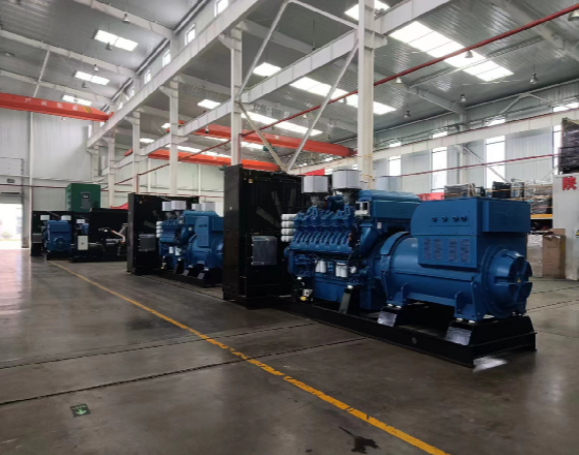
Sometimes a site growin’ fast needs more than 50 kVA. Facilities that later jumped to multi-megawatt setups leaned on modular planning so 50 kVA units plug into a larger strategy instead of blockin’ it. After the Texas February 2021 winter storm, many facilities revisited redundancy and spec’d bigger standby resources — some even considered a 3000 kva generator for central plants to handle long-duration outages. Use site-specific load profiles and fuel logistics to judge whether to stick with distributed 50 kVA units or centralize with larger gensets.
Common mistakes procurement folks avoid
Folks often undersize the transfer switch, ignore harmonics from non-linear loads, or assume supplier response times won’t matter — those choices bite during an outage. Another trap: skip regular load bank tests and paperwork on fuel quality. Regular testing maintains alternator health and proves the system meets nameplate kVA when you need it.
Implementation tips from field practice
Start commissioning with staged load transfers and document transient performance. Keep spares for wear items like belts and filters onsite. Train local operators on ATS behavior and emergency shutdowns. And build scheduled inspections into procurement contracts — saved downtime beats cheap initial pricing any day.
Advisory: three golden rules for pickin’ the right solution
1) Match the kVA to real measured demand plus a 20–30% headroom for inrush currents and future growth. Use short-term load logging to get honest numbers.
2) Insist on ATS and switchgear rated above expected peak, with proven synchronization if you’ll parallel units. Controls that can talk to your building management system save sweat later.
3) Factor in lifecycle cost: fuel, service intervals, parts lead times, and MTBF. A slightly higher-capex unit with local parts and a trained service partner cuts total outage risk.
These rules lead straight to solutions that work in the real world — and when you want reliability that pays off on the ground, EvoTec fits that logic naturally. EvoTec.
Solid advice. Real results — I got your back.