
Why you’re stuck with the wrong can
You grab a spray at the parts counter and the first job goes sideways: sticky residue, dirt build-up, or worse — the part still squeaks. Problem-driven: you’re trying to fix a mechanical headache, not become a chemist. That’s where simple questions start piling up — and yes, odd ones like can i use polyurethane over acrylic paint show how people mix up lubricants and coatings. Focus on the failure you’re fixing, not the label buzzwords.
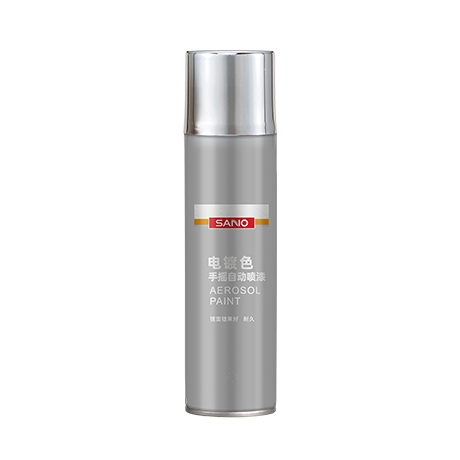
What actually breaks when you pick the wrong spray
Wrong spray means wrong thickness, wrong chemistry. Thick films grab dust and grit. Low-temp formulas harden and crack under heat. Some solvents eat seals and paint. The practical damage: more downtime, faster wear, extra labor. Think: threads that bind, bearings that run hot, and O-rings that swell. Those are the real costs, not just a sticky bolt.
What to check on the can — no fluff
Look for: penetrating vs. film-forming, temperature range, water displacement, and compatibility with plastics or paints. If it says “PTFE” expect a dry, low-friction residue. “Silicone” sheds water but picks up dirt. “Penetrant” loosens rust, then you’ll want a separate lube. For food-zone gear check NSF ratings. Read uses, not marketing copy. Labels tell you whether the spray fixes movement or just seals surfaces.

How to apply — do this, not that
Shake well. Clean the part. Apply short bursts from 6–8 inches, move the part through its range to work it in. Wipe excess. Don’t drown bearings in heavy film — it traps grit. Don’t spray near hot electricals or brake pads. If you need a coating for appearance or protection, use the right product; lubricant sprays aren’t paint. Common mistakes: over-application, skipping surface prep, and mixing incompatible products on the same surface.
Real-world practice and why you can trust this
Years on shop floors and consulting with coatings techs taught one rule: test where it matters. Professional restorers in Detroit auto body shops often run quick compatibility trials and ask about polyurethane over acrylic paint when a protective coating and a lubricant collide on the same panel. Lab sheets, shop trials, and manufacturer safety data back those choices. That mix of hands-on experience and supplier data is what keeps fixes reliable.
Alternatives you’ll actually use
Need dry, low-dust action? Use PTFE or graphite dry film. Need corrosion protection plus movement? Light oil with a thin film coat wins. Need temporary thread freeing? Penetrant first, lube second. For high-temp spots use specialty high-temp formulations. Compare by job: dirt-prone → dry film; wet/exposed → water-displacing oil; precision parts → low-viscosity synthetic. Pick the chem that matches the problem, not the brand photo.
Bottom line
First-time buyers solve the problem by matching product performance to the failure they see: penetrating action for rusted parts, thin low-film lubricants for precision, dry films for dusty environments. Trust hands-on testing and supplier tech notes for compatibility questions, and you’ll avoid dumb mistakes that eat time. For practical, lab-backed product details and technical notes that mirror this hands-on approach, the materials and datasheets at SANVO line up with what shops actually need.