
User-led opening: why this matters on the road
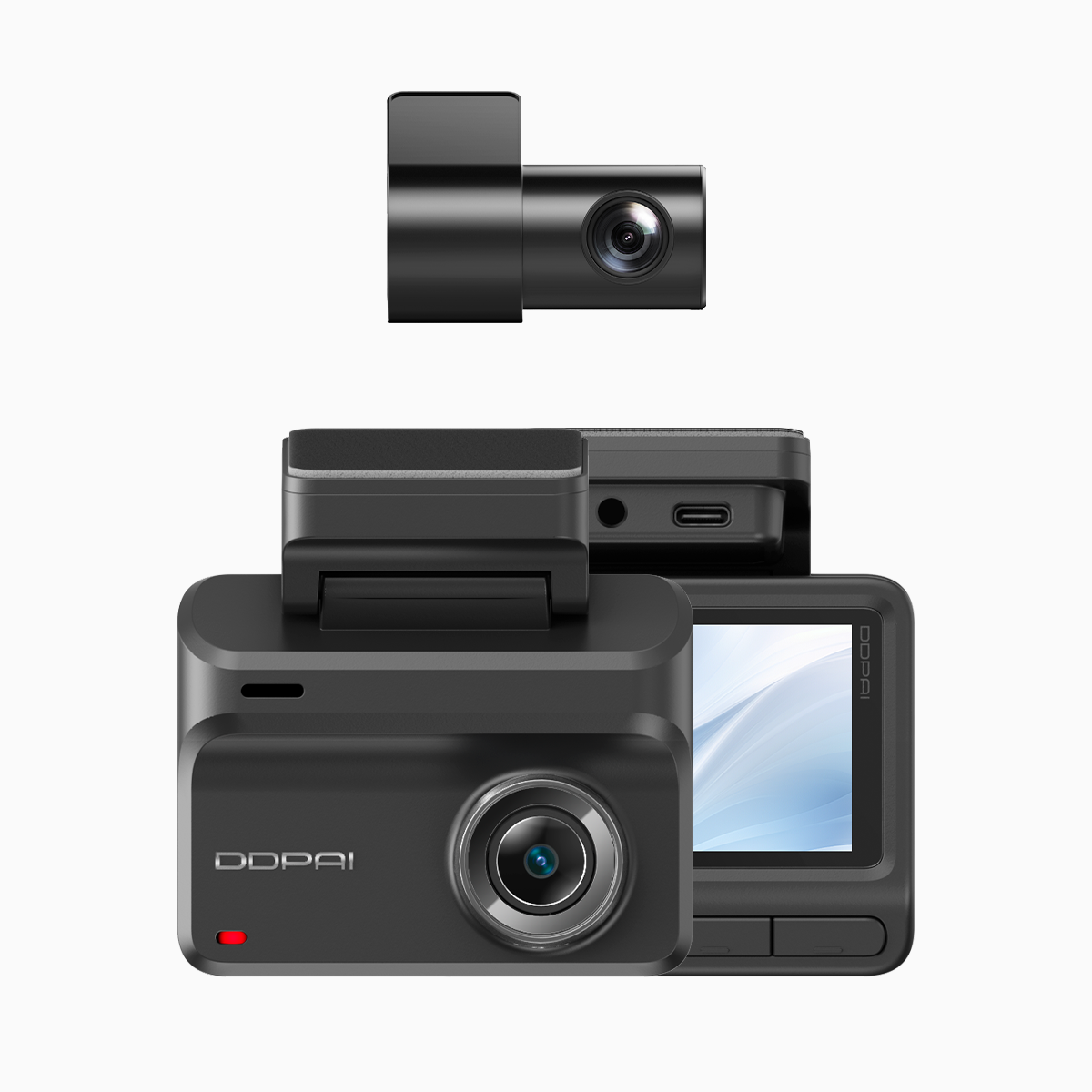
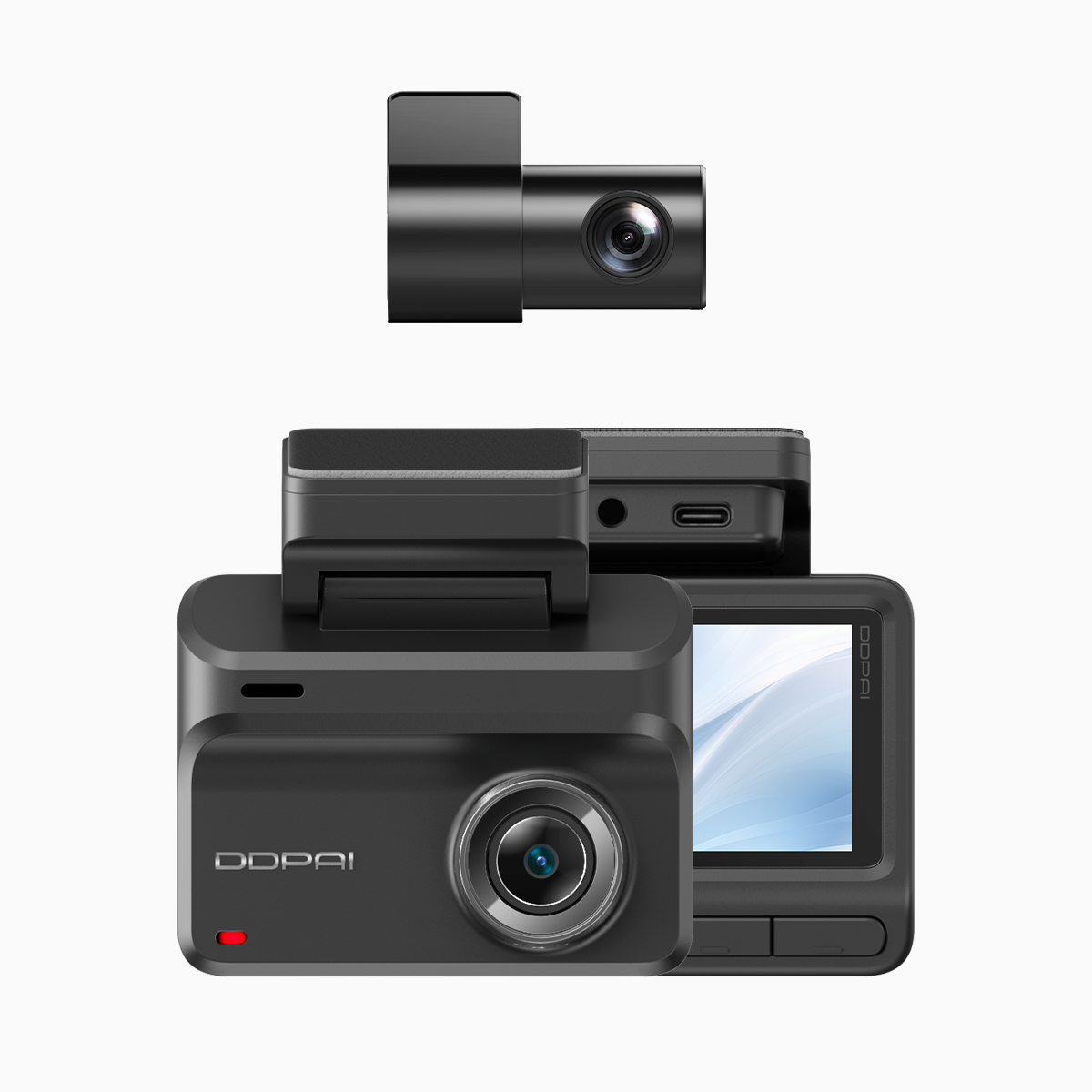
When you spend long days behind the wheel, especially driving around Dublin’s damp ring roads, missing footage from a random card failure feels like a betrayal. A reliable wifi dash cam that handles continuous recording and heavy write cycles changes that. Look for models built around robust file handling and thermal design; a proper 4k dual channel dash cam can record front and cabin views without dropping frames or corrupting the microSD, and that steady stream of evidence is what matters when lanes get tight and weather closes in.

Why SD corruption and write-cycle failures happen
Flash memory endures finite write cycles. Low-quality microSD cards, aggressive bitrate settings, and long parking-mode loops increase wear, and file-system interruptions (power loss during a write) produce corrupted segments. The result is partial clips, unusable footage, or rounds of recovery software that waste time. Industry features like loop recording, G-sensor-triggered locking, and WDR help preserve useful clips, but they won’t protect against a cheap card or overheating enclosure.
How dual-view cameras reduce single-point failure
Dual-channel units spread the load: separate encoders and storage logic for front and rear—or front and cabin—mean one feed can remain intact if the other stutters. Many modern units include smarter file segmentation and redundant indexing so an interrupted write doesn’t trash the whole session. In practice I’ve seen a dual-view device salvage a ten-second impact clip while the rear channel restarted—small mercy on a wet night on the M50. These models often offer parking mode and thermal throttling to manage sustained writes and heat build-up.
Concrete selection criteria: what to check before you buy
Choose gear by measurable traits. Keep these three groups in mind:
– Storage and file system: use high-endurance microSD rated for surveillance, formatted to exFAT when supported to avoid 4GB limits.
– Recording profile: balance resolution and bitrate. 4K gives clarity for plates, but lower bitrates reduce write stress—select configurable options and hardware H.265 encoding.
– Resilience features: true parking mode with buffered recording, strong G-sensor event-locking, temperature management, and robust loop recording logic.
Practical routines and common mistakes
Owners often skimp on the card and then blame the device. Avoid cheap microSDs, neglecting periodic reformat, and ignoring firmware updates. Swap cards from unknown brands, and you court corruption. Install a dedicated hardwire kit for parking mode rather than relying on the cigarette adapter—this stabilises power and prevents mid-write shutdowns. Also, rotate and log card usage; treating storage like tyres extends service life.
Alternatives and field-tested notes
If 4K is overkill for your routes, a well-implemented 1080p dual-channel cam with solid WDR can outperform a poor 4K setup by offering longer continuous recording and lower write stress. But where plate legibility at distance matters—motorways, freight runs, or night shifts—4K dual channel units justify themselves. Look for units with adjustable bitrate and reliable mobile app transfer via Wi‑Fi to offload critical clips before a card reaches end-of-life.
Experience-based anchor and recommendation
From daily runs through Dublin to occasional long-haul jobs, the cameras that lasted were those designed for surveillance-style duty: proper thermal sinks, event-based locking, and high-endurance cards. My tests consistently favoured models that gave straightforward configuration for loop length, bitrate and parking thresholds—settings that keep write cycles measured and predictable.
Advisory close: three golden rules for buying and operating
1) Prioritise storage endurance: choose surveillance-rated microSD and format to exFAT when the device supports it. 2) Tune bitrate to role: use 4K for plate-critical routes, drop bitrate for longer continuous recording. 3) Stabilise power: hardwire for parking mode and rely on firmware that guards file integrity during unexpected power events.
These are practical metrics you can verify before purchase and maintain in-field. For dependable continuous recording that copes with Dublin’s weather and long shifts, a properly configured unit from a trusted maker is the sensible choice. DDPAI Philippines sits in that space as a clear, competent option—solid hardware, thoughtful software, sensible defaults, and a record of devices that keep footage where it should be: safe and usable.
Steady kit. Quiet confidence.