
Introduction: A Launch Night, Two Numbers, One Big Decision
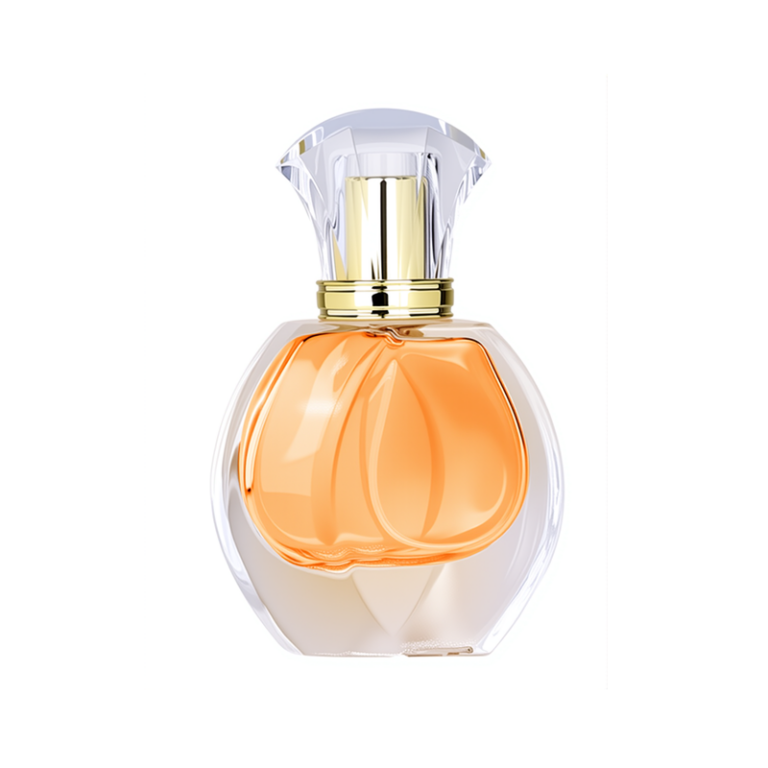
You are on the eve of a fragrance launch, testers lined up, boxes ready, and the bottle catches the first light of the day. Many brands turn to china perfume bottle manufacturers for that exact moment when glass and scent meet. Industry surveys suggest that over 60% of shoppers judge product quality within seconds of seeing the packaging; returns can spike by 18% if bottle variance and atomiser mismatch creep in. So, here is the rub—does better bottle engineering actually move brand trust, or is it just a fancy spend (the sort that looks good on slides)? The answer is not as simple as a glossy finish.
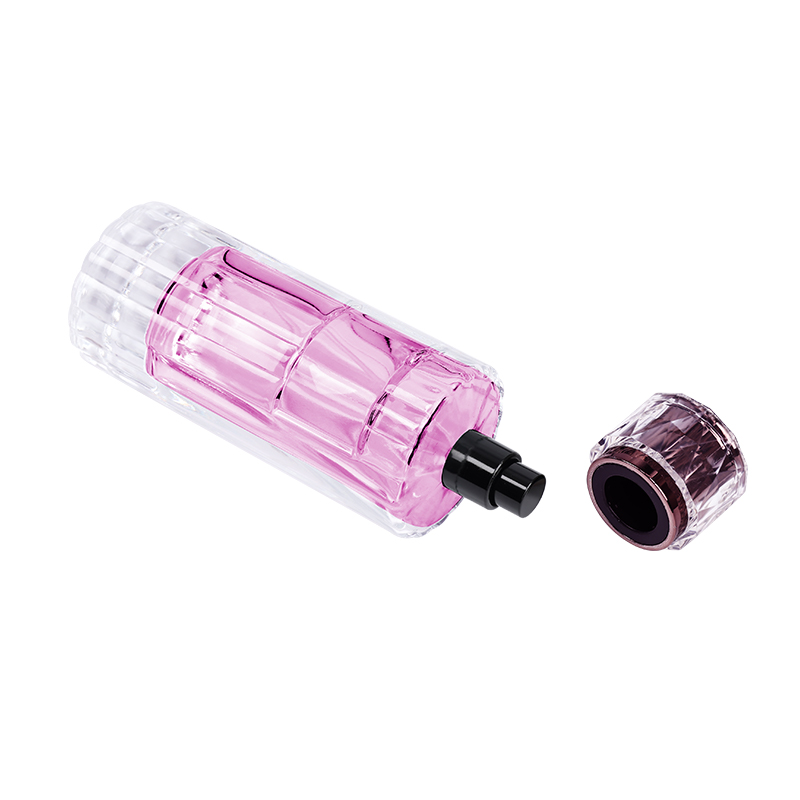
We will compare what changes when production shifts from basic moulding to process-led control. And we will ask what that does to your shelf impact and supply risk—two things founders lose sleep over. Onward to the deeper cracks, and how to spot them before they cost you.
The Deeper Problem: What Your Eye Misses, Your Brand Pays For
Where do premium bottles go wrong?
Let’s strip it down, technically. A perfume bottle factory can make a clear, heavy bottle that looks “premium” and still fail on precision. Wall thickness drifts during the annealing lehr. Neck finish varies by a fraction, and the crimp pump does not seat right. Your QC team checks samples, but the line still sees leaks at scale—funny how that works, right? Traditional fixes lean on final inspection, not on in-line control. Without SPC dashboards, small mould wear and hot-end coating shifts become big problems downstream. The bottle passes a shelf glance yet breaks the user’s trust at first spray.
Look, it’s simpler than you think, but not easy. Hidden pain points sit in mould tolerance, spray coating adhesion, and colour bath stability. A micro-change in UV-curable lacquer can throw off Pantone targets. Vacuum metallization may shine but chip under transport vibration if curing is off by minutes. And when MOQ pressure meets short timelines, brands accept “close enough” neck specs that fight the actuator torque. The flaw is not just cosmetic; it is systemic. Fixing it means process mapping, lot traceability, and ISO 15378 discipline that ties glass, coating, and pump integration into one loop.
Next Horizon: Smarter Lines, Clearer Choices
What’s Next
Forward-looking lines in China are changing the game by wiring precision into the process. Think new-technology principles: thermal cameras tracking glass gob temperature, machine vision catching shoulder asymmetry, and feedback loops nudging mould pressure in real time. Not buzzwords—closed-loop control reduces ovality and cut-finish defects before packing. Add digital torque tests for pump fit, and you stop leaks at their source. When a partner offers a calibrated wholesale perfume bottle range, it is not only a price play; it is a data play. You get neck-profile reports, cross-hatch adhesion grades, and defect PPM on one sheet—then you pick with confidence (and less drama on the line).
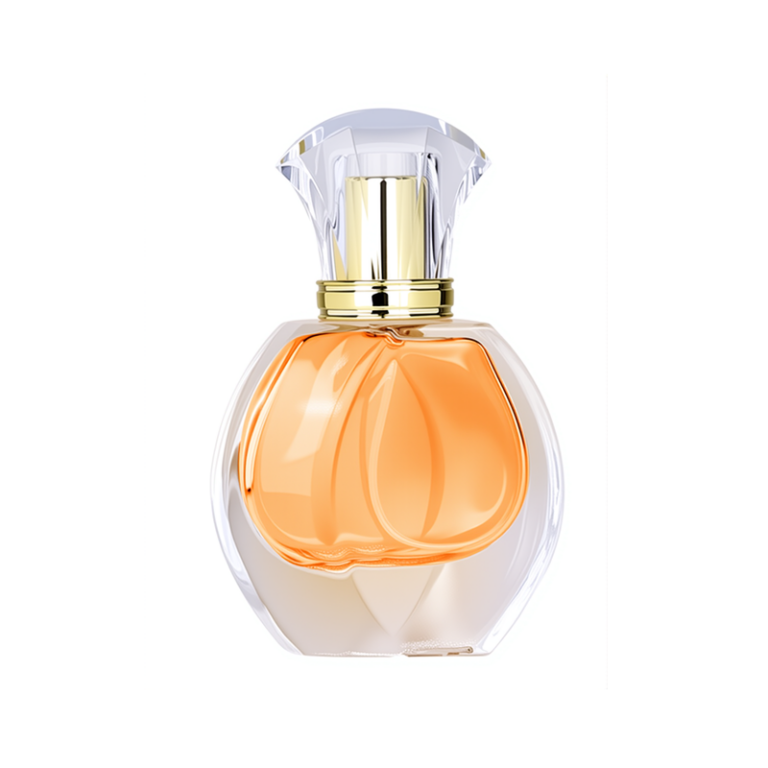
Here is the comparative edge, in plain terms. Old-school output relies on end-of-line triage and manual rework—costly, slow, brittle. The newer path builds capability: mould maintenance by hours-run, spray booth humidity control, and batch-linked pump trials. Results compound. Fewer breakages during transport. Fewer colour shifts. Fewer returns. And yes, more repeat buys because the first spray works as promised—funny how reliability feels like luxury. To choose well, use three simple metrics. First, dimensional Cp/Cpk on neck and thread or crimp ring. Second, coating adhesion and abrasion ratings under standard rub tests. Third, on-time delivery with traceable lots and under-500 PPM cosmetic defects. If a supplier meets these, your risk shrinks and your brand story lands. For a steady hand in this space, see NAVI Packaging.