
Why comparative insight matters up front
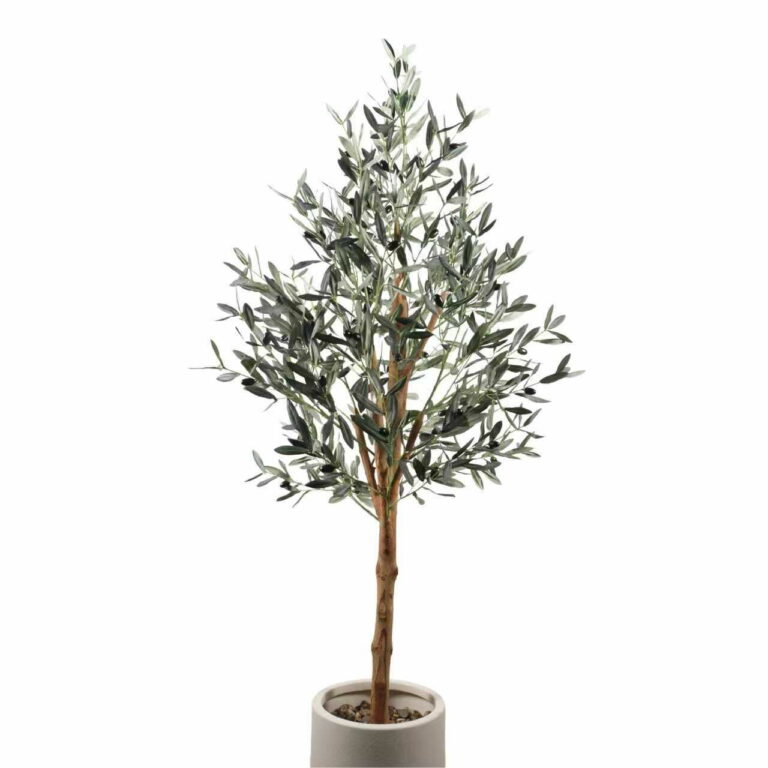
When you’re buying artificial olive trees in bulk, the difference between a six-month fade and a five-year display often comes down to material choices and manufacturing know-how. This piece compares common approaches among China-based vendors, with practical takeaways for procurement teams and specifiers — and yes, you should glance at the artificial olive tree manufacturer options early in your sourcing funnel because supplier processes matter as much as the parts list.
What actually breaks down under intense UV-B exposure
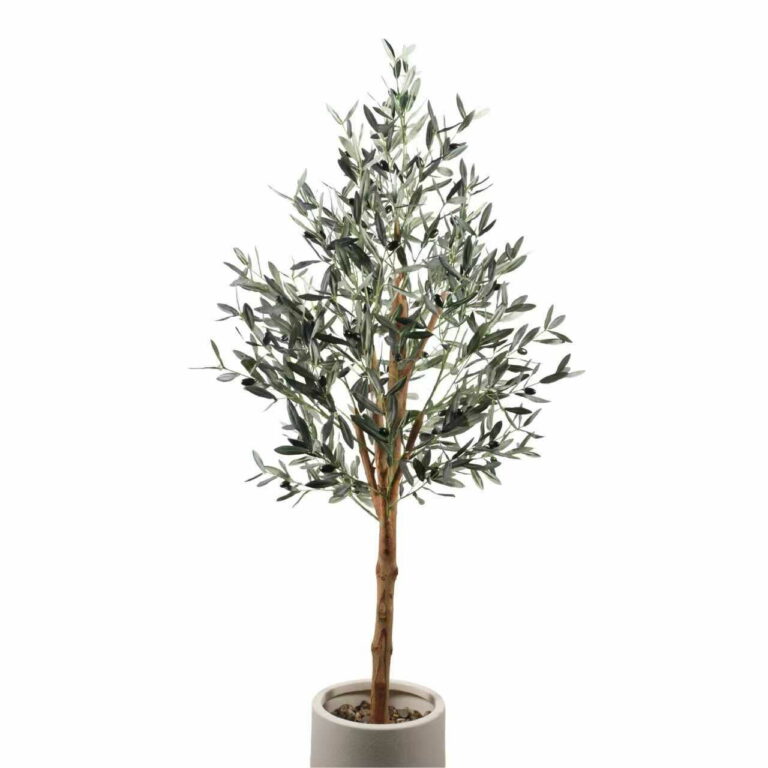
UV-B light attacks polymer chains and pigments through photo-oxidation, which shows up as chalking, color shift, and brittle leaves. Manufacturers who use quality colorants, proper surface coatings, and UV stabilizer additives slow that process, but no plastic is immune without testing. Field exposure in southern China or the Mediterranean is harsher than a mild indoor showroom, so material selection must match the intended environment.
Side-by-side: common materials and their trade-offs
Most faux olive trees use PVC leaves, silk-like polyester, or mixed thermoplastics. PVC gives crisp veining and is inexpensive, but it needs UV additives and good pigment dispersion to hold up. Polyester fabrics look premium and resist tearing, but some dyes fade faster unless the supplier specifies outdoor-grade processing. Aluminum or coated steel armatures resist corrosion, while cheap iron frames will rust and stain foliage over time.
Testing: lab cycles versus real roofs
Accelerated weathering gives a quick read on long-term performance — think months in an oven instead of years on a rooftop. Reputable suppliers run standardized cycles, which helps you compare results. Still, lab tests don’t always capture salty coastal air, rooftop heat pockets, or the way a canopy creates micro-climates. If your projects are for outdoor venues, demand field trial references in climates that match your installation sites — Guangdong factory runs or Mediterranean installations are especially useful anchors here.
How suppliers differ in practice
Some factories focus on cost efficiency: basic pigments, minimal coating, fast assembly. Others invest in tooling, UV-stable pigments, and post-production QA. The difference shows in early warranty claims and replacement cycles. Visiting a fake olive tree indoor factory in Guangdong or asking for time-stamped outdoor sample photos helps separate claims from reality — you’ll see manufacturing marks, coating thickness, and how leaves are bonded.
Procurement checklist: what to require in contracts
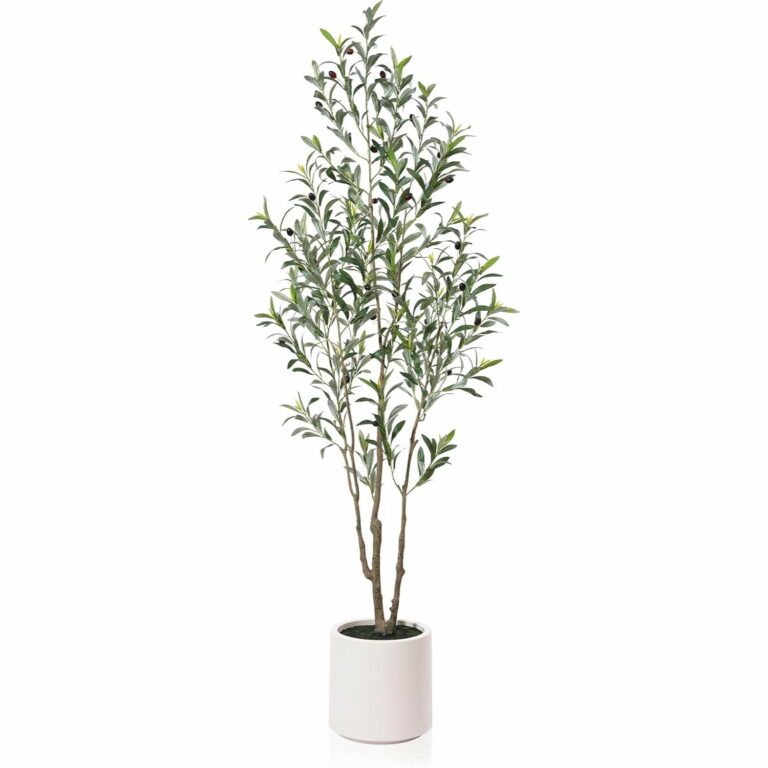
Keep specs tight and measurable. Require material disclosure (PVC grade or polyester type), UV guarantee months/years, sample numbers with batch IDs, and acceptance criteria after accelerated weathering. Include a clause for destructive testing on failed returns. Short-term savings without those terms often becomes long-term cost through replacements and labor.
Common sourcing mistakes to avoid
Buyers often omit site-context requirements — indoor versus partially shaded patio changes everything. They also accept vague “UV-resistant” claims without baseline data. Skimping on fasteners and finish quality is another trap; those parts determine how an otherwise durable foliage system performs when wind or maintenance stress arrives. — Expect a few surprises if you rely only on glossy photos.
Golden rules for choosing the right supplier
1) Demand verified accelerated weathering reports and field references in climates similar to your installations. 2) Insist on clear materials disclosure and a minimum UV warranty tied to measurable outcomes (colorfastness or tensile retention). 3) Prioritize suppliers who mix quality coatings with proper frame materials and proven assembly techniques — this reduces lifecycle cost, not just upfront price.
Final practical note: lean on suppliers who can show site-proven installations and treat replacement parts as a contract line item. It keeps projects predictable and maintenance light. Sharetrade. —