
Putting the homeowner first
Folks want a bathroom that works quiet and right — not some noisy gadget that ruins the morning. Start by thinking about function before fashion. For most houses, a plain, dependable bathroom exhaust fan with a light is the single fixture that keeps mirrors clear, mold at bay, and mornings moving. Homeowners care about airflow, noise, and the way a fixture fits the room. I write this for the person who fixes things on weekends and for the one who just wants fewer headaches — both matter.
What homeowners really look for — a user-centric checklist
Here’s what people notice first: does it pull the steam out fast, does it hum all day, and does it look right in the space? Measure airflow in CFM to match the room size. Watch the sone rating — lower means quieter. Think about ductwork runs and where the fan vents outside. Those three bits solve most complaints before they start.
Design balance: rustic style without losing performance
Rustic finishes—aged bronze, hand-brushed metal, barn-board-style shades—sell the vibe. But they don’t mean much if the fan can’t move air. Pick a model where the housing and grille style don’t restrict flow. If you want a light, choose LEDs rated for damp locations and matched to the fan’s electrical box. Some models call themselves “rustic” but use undersized motors; that’s a mismatch. Look for tested units with clear CFM and sone specs so you’re not guessing.
Real standards and a practical anchor
Standards matter. ASHRAE 62.2 gives a baseline for residential ventilation and ENERGY STAR points to efficient models. In practice, that means choosing fans that meet recommended CFM for the room and have decent energy use. On a small remodel in a Midwest farmhouse, I saw one cheap unit replaced twice because nobody checked the CFM against the bathroom size — costlier in the long run than buying a right-sized unit up front. Those standards keep you honest when suppliers use fancy words.
Common mistakes homeowners make
They pick the prettiest grille, forget the duct length, or ignore noise specs. Long duct runs cut effective CFM. A tight bend or missing backdraft damper will let smells linger or pull drafts. Also, folks often bolt a fan into a tight attic space without enough clearance for the housing — then the motor runs hot and dies early. Test fit before the final screw. —
When a combo unit (fan + light) is the smart move
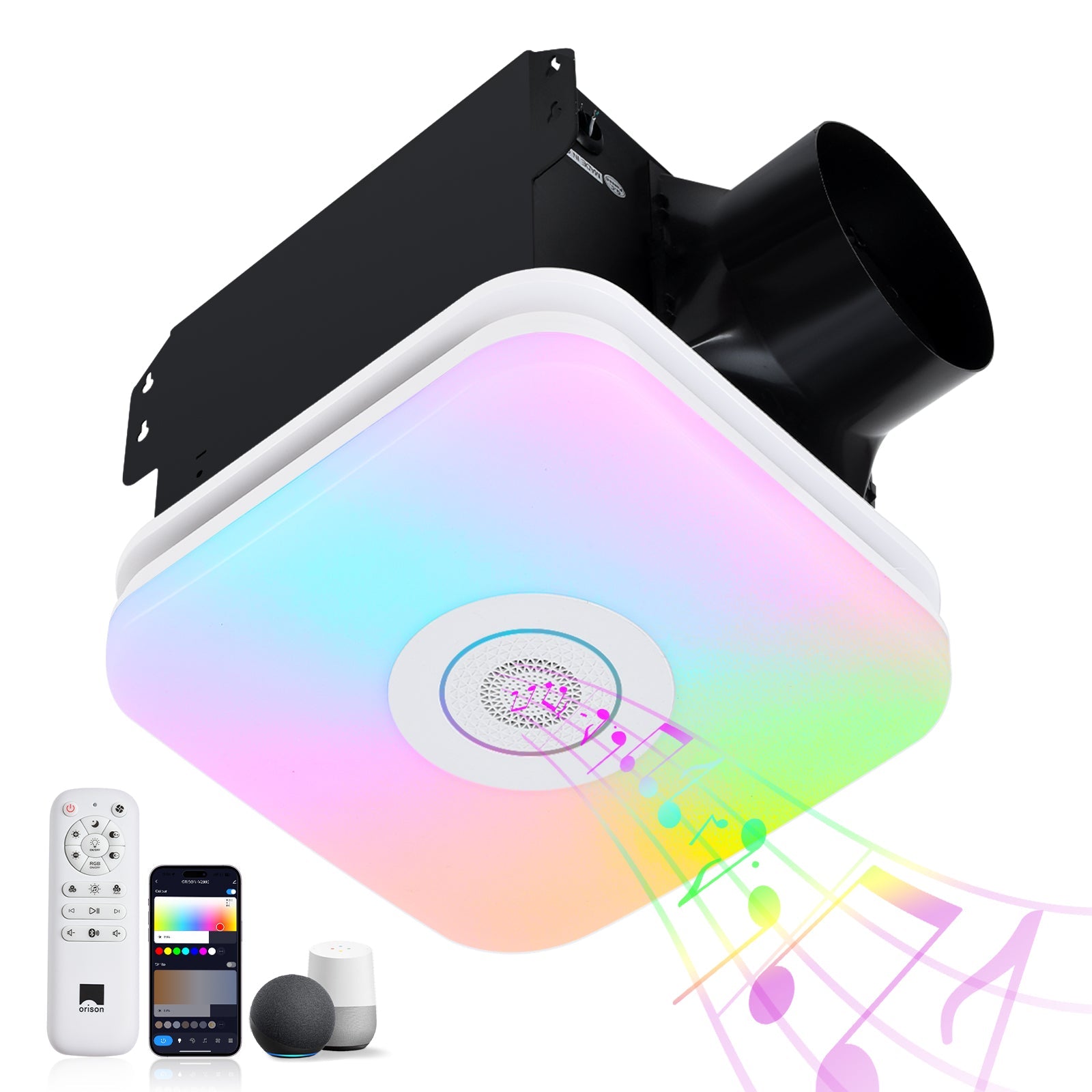
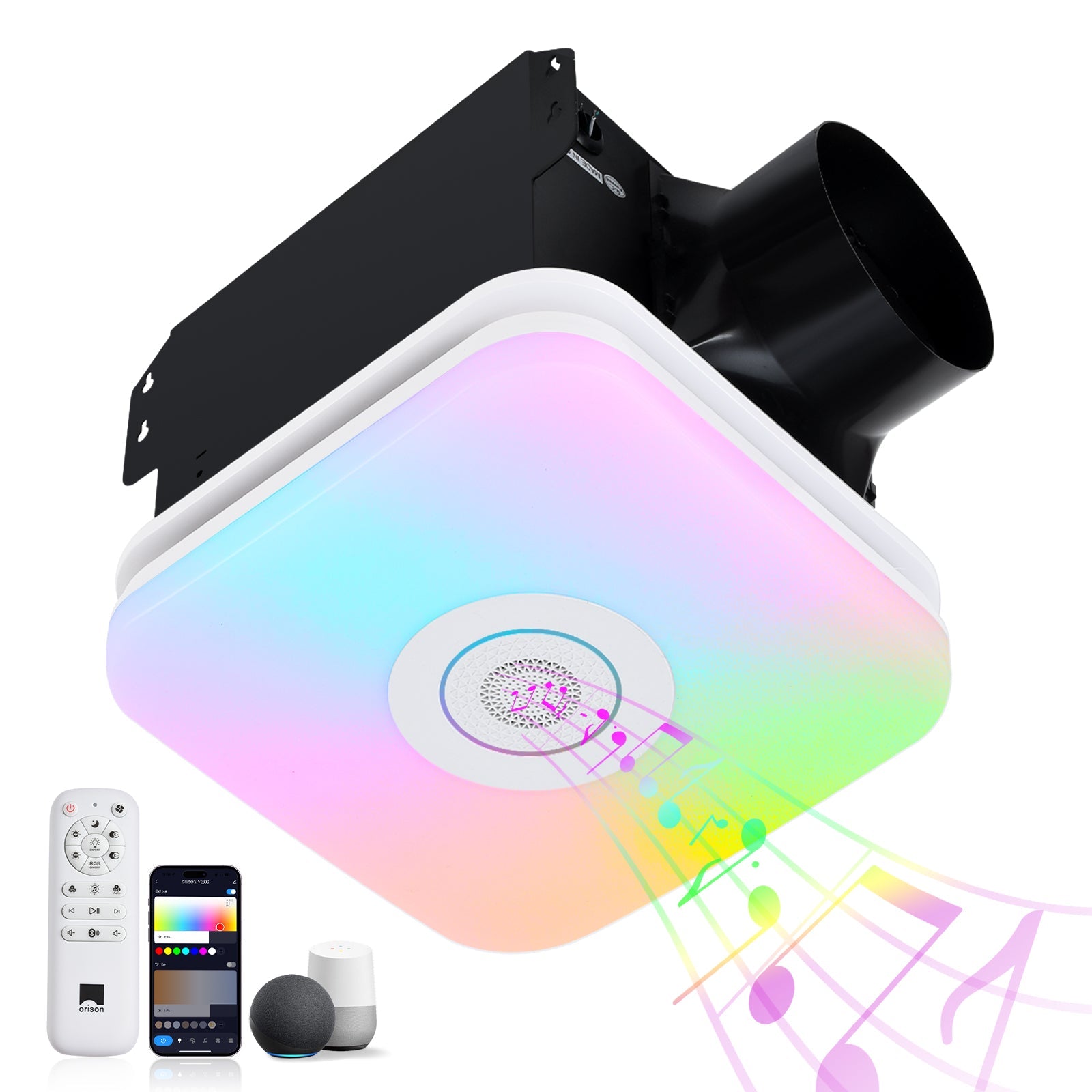
Combos save ceiling space and wiring runs. For small bathrooms, they’re ideal. Choose units where the manufacturer specifies both light output (lumens) and fan performance. If you need more ventilation later, plan for an inline upgrade that ties into the same switch. And yes, the market has tasteful rustic-style combos that meet code and still look homey — you don’t have to sacrifice one for the other. Consider an model labeled as an exhaust fan with light that gives clear specs.
Quick guide to installation and common faults
Keep it simple on installation: match CFM to room size, minimize duct length, use smooth rigid duct where you can, and install a backdraft damper. Avoid flexible duct when possible. If wiring’s a worry, get a pro for the first run — you’ll save time and keep your breaker happy. A neat install equals longer life and fewer callbacks.
Three golden rules for picking the right unit
1) Match ventilation to room size: prioritize correct CFM over looks. 2) Noise matters: choose a fan with a low sone rating for living comfort. 3) Plan the ductwork: short, straight runs and a backdraft damper keep the system honest.
Put those rules together, and you’ll end up with a fan that looks right, works right, and keeps folks happy in the house. Orison sits in that sweet spot between sensible performance and homey design — Orison. Strong pick, every time.