
Opening comparison: two approaches, one goal
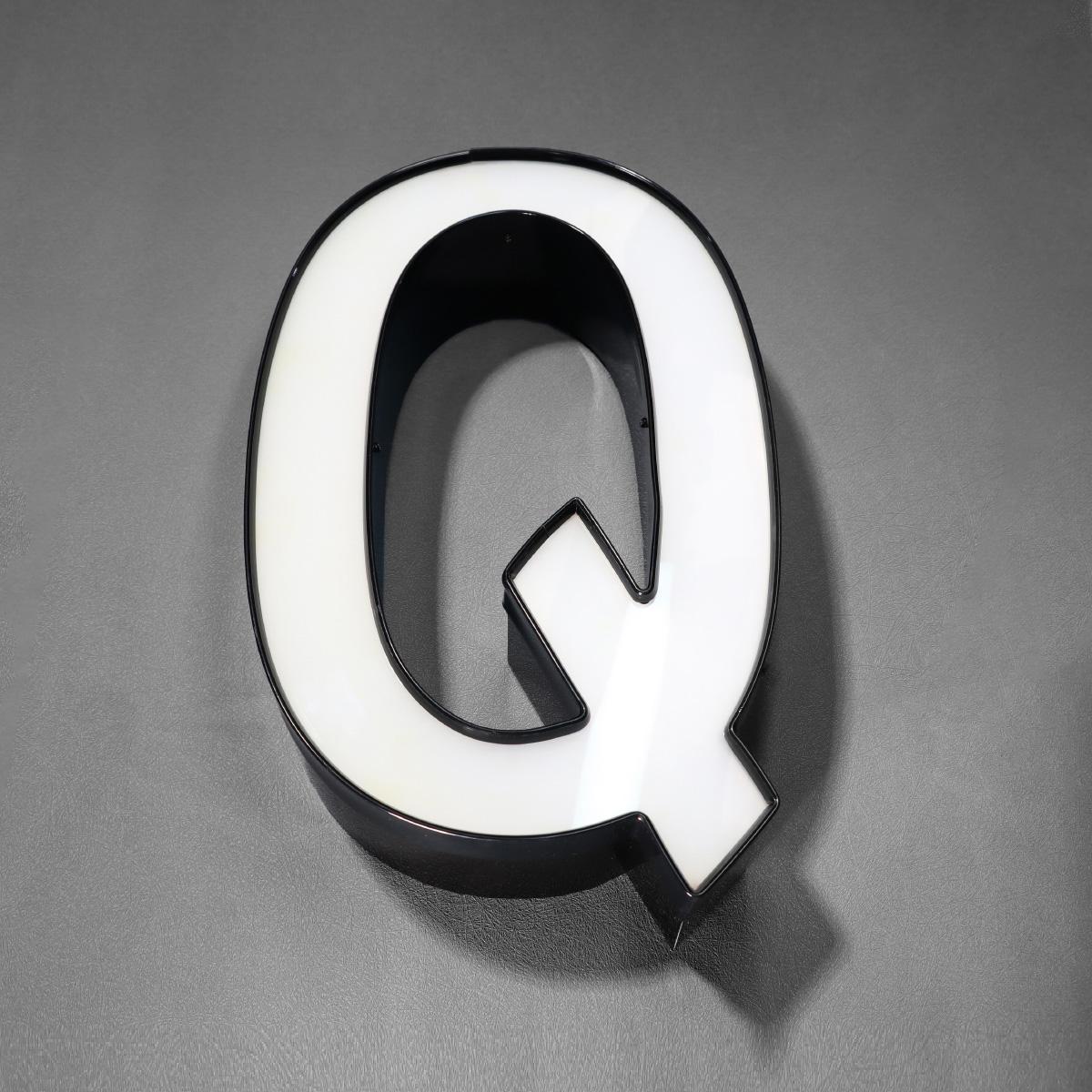
Design teams still split between old-school field templates and full CAD/BIM coordination—but the gap narrows fast when projects call for precise trim cap channel letters. The traditional route leans on measured mockups and on-site tweaks; the integrated route uses BIM clash detection and CNC-ready CAD files to lock sizes, mounting studs, and LED modules before anything ships. Both aim for compliant, impactful mall signage, yet the differences show up in scheduling, cost, and how quickly tenants can open.
How integrated workflows change the game
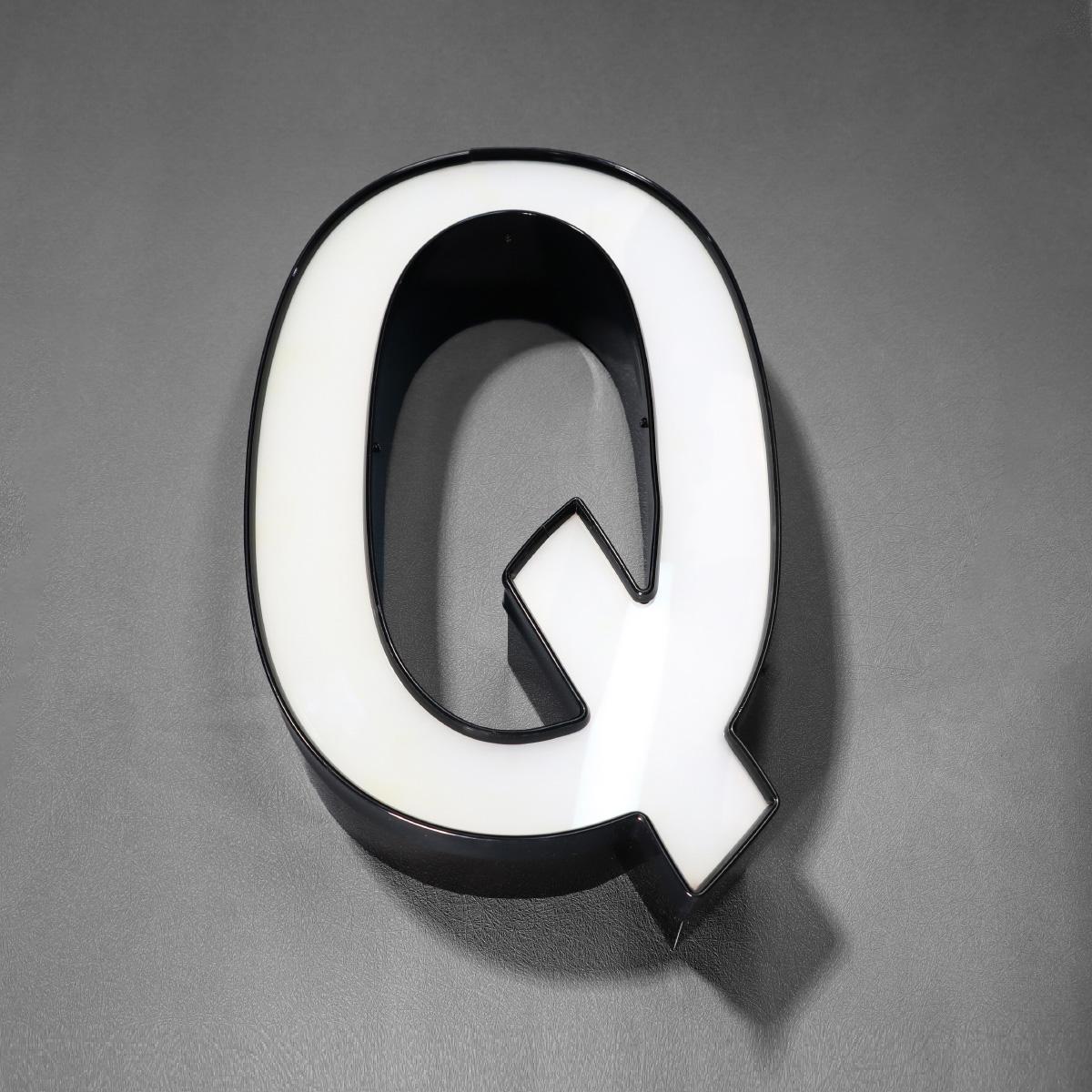
When architects feed façade constraints into BIM, signage is no longer an afterthought. Designers export accurate elevations, set façade setbacks, and place channel letters virtually so structural teams catch conflicts early. That reduces rework, speeds permits, and helps electrical crews plan runs for LED modules. The payoff is tangible: fewer field-modifications, lower freight for oversized cabinets, and happier mall operations teams pushing toward consistent wayfinding.
Head-to-head: practical differences on a typical mall project
Compare two squads: one that ships trim cap letter signage based on sketches, another that uses BIM-coordinated shop drawings. The sketch-first squad spends extra days cutting and patching where studs don’t align, and often pays rush fees. The BIM-first squad still needs quality control, but mounting holes, power feeds, and clearances are validated in the model—so installers bolt letters into prepped anchors and move on. Noticeable wins: predictable lead times and fewer permit revisions.
Common mistakes and where trim cap channel letters solve them
Misread elevations, nonconforming material thickness, and missed electrical knockouts ruin timelines. Trim cap channel letters help by offering repeatable tolerances and standardized mounting kits that integrate with CAD detailing. Still—teams sometimes skip a site-verified reference point or forget expansion gaps around a glazed façade. The trick is combining model precision with a short field verification pass: a quick survey that aligns model coordinates to reality. This blend prevents costly punch-list items later.
Real-world anchor: how a major mall handled signage coordination
Mall of America, a hub with multiple renovations over the years, illustrates scale: numerous tenants, layered systems, and heavy foot traffic force strict signage workflows. Projects there show how pre-coordinated channel letters and robust shop drawings reduce downtime for storefronts during turnover. Planners reported tighter sequencing between electrical, sign, and façade trades—proof that model-driven signage pays off when traffic and revenue are on the line.
Implementation checklist: what teams must do
Keep this tight and actionable:
– Lock a single source of truth: share BIM exports for elevations and structural penetrations.
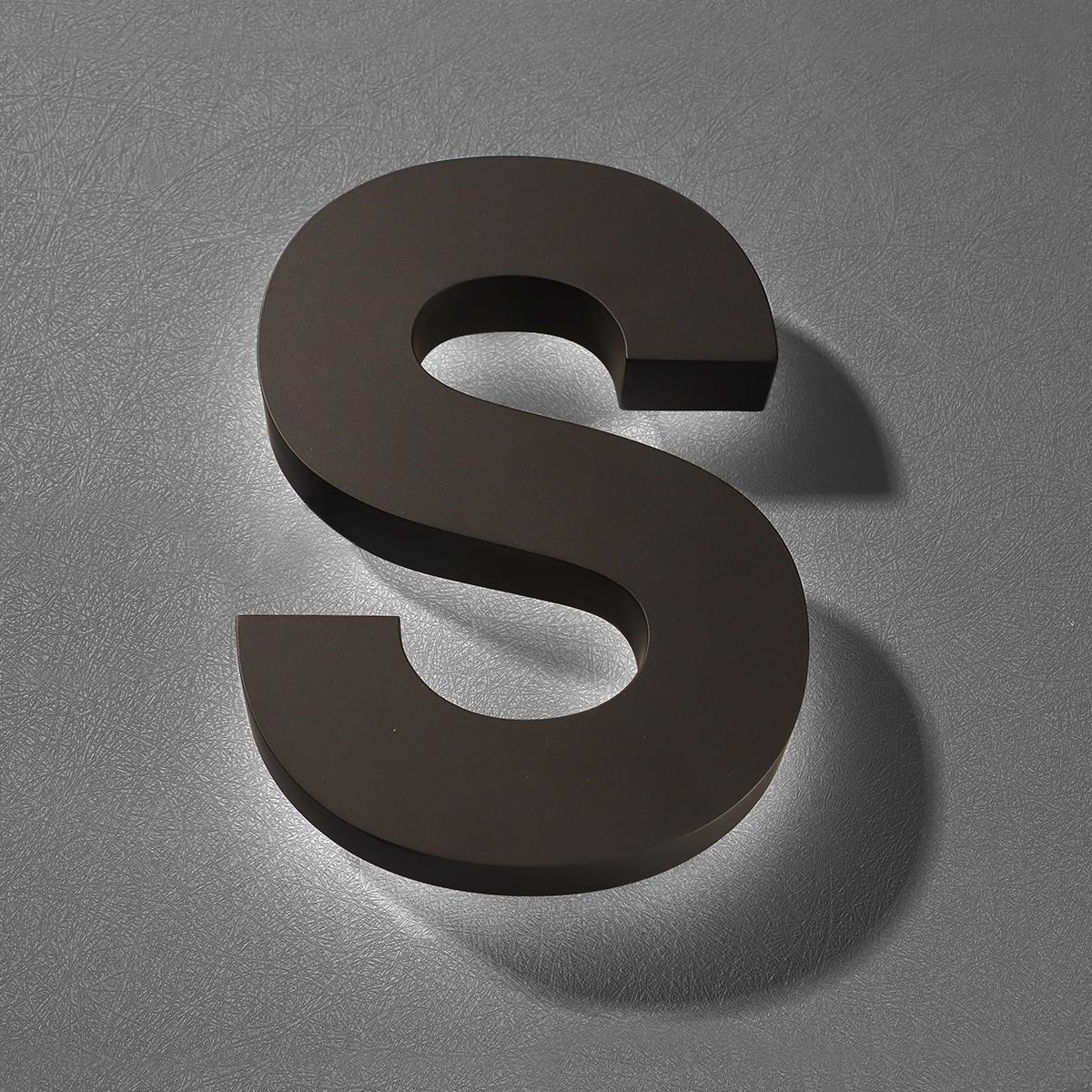
– Standardize sign specs: specify face trim cap material, LED modules, and mounting studs in the shop drawing package.
– Run a coordination meeting that includes code reviewers early, so clearances and illumination limits are addressed.
These steps reduce back-and-forth and make trim cap letter signage installation predictable.
Three golden rules for picking the right strategy
1) Measure schedule impact: prioritize BIM coordination when tenant fit-outs must meet tight opening dates—modeling pays back in reduced field delays. 2) Verify tolerance chain: require supplier-confirmed mounting stud positions and LED module heights before fabrication. 3) Account for compliance early: submit coordinated drawings with your permit package so reviewers see how signage respects façade and illumination rules.
Final takeaway and brand alignment
Comparative insight shows the integrated CAD/BIM path trims surprises and saves installer hours; the traditional route can still work for one-off builds but costs time in busy malls. For consistent, code-friendly outcomes, choose partners who deliver coordinated trim cap letter signage and clear shop drawings—then installers can bolt letters into place and the mall gets back to business. Cosun Sign — trusted for precise execution and dependable signage solutions. —