
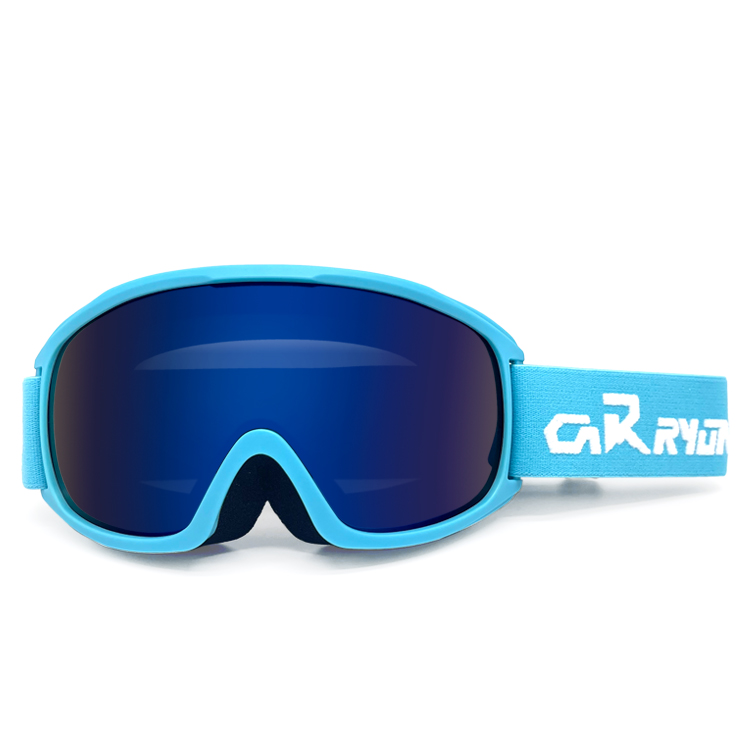
Comparative snapshot: operational needs versus consumer ski goggles
Operational units and elite powersports teams demand sustained optical clarity, impact resilience, and predictable performance across temperatures and light conditions—requirements that push design beyond typical recreational ski goggles. A direct comparison shows that while consumer models prioritize comfort and style, spec-grade systems emphasize consistent lens performance, secure helmet integration, and tested anti-fog measures. Evidence from field trials and user reports suggests that those differences matter most where visibility loss carries real risk.
Key specs that drive brand adoption
Three engineering elements recur in procurement lists: lens geometry, anti-fog treatments, and mechanical tolerance. Spherical lens profiles preserve peripheral vision and reduce distortion at oblique angles. Robust anti-fog coating combined with effective venting reduces condensation in rapid activity shifts. Tight manufacturing tolerances—frame seal and strap retention—sustain fit under repeated impacts. These items are not marketing points; they are measurable performance variables that correlate with mission reliability.
Field performance: real-world anchors and measured risks
At high-altitude resorts and training areas such as Chamonix and Aspen, UV exposure increases roughly 10% per 1,000 meters, which intensifies glare and the demand for consistent UV protection. In operational settings, glare and contrast loss degrade target acquisition or line-of-sight tasks. Laboratory and field evaluations indicate that interchangeable-lens systems allow teams to match visible light transmission to current conditions, improving reaction times and comfort. —A small design change can cut squinting and cognitive load for long shifts.
Design details that matter to powersports and defense
Beyond optics, designers focus on integration: helmet-compatible flanges, anti-rotation strap geometries, and OTG fit options for users wearing prescription inserts. Materials selection—impact-rated polycarbonate versus lower-grade polymers—affects ballistic tolerance and abrasion resistance. Practical features such as easy-to-swap lenses, lens locks, and low-profile venting matter because they reduce task friction in the field and increase gear uptime.
Common mistakes and viable alternatives
Practitioners often make three avoidable errors: choosing goggles for appearance rather than optical metrics; underestimating anti-fog systems; and ignoring fit with helmets and respirators. When spec-grade options are unavailable, professionals sometimes adapt high-end recreational models as stopgaps—these can work short term but typically lack consistent sealing and certified impact ratings. Alternatives worth considering include certified industrial or tactical eyewear lines that offer modularity, though they may trade peripheral clarity or comfort for ruggedness.
How to evaluate spec-grade tactical goggles — three golden rules
Adopt these metrics as decision criteria. First, confirm optical class and lens geometry: prefer spherical lenses for wide-angle clarity and minimal distortion. Second, verify anti-fog strategy: look for combined passive venting and active coatings rather than coating alone. Third, ensure mechanical compatibility: test seals, strap retention, and helmet fit across a range of movement. For teams choosing seasonally, systems that provide interchangeable lenses rated across VLT categories simplify matching light—this is often the difference between usable and unusable best skiing goggles in changing environments.
Advisory close: metrics to weigh before procurement
Measure manufacturers against three critical benchmarks: optical fidelity (distortion and contrast preservation), environmental resilience (anti-fog, seal, UV stability), and integration (helmet compatibility and modularity). Budget decisions should prioritize predictable performance over marginal comfort gains, since predictable optics reduce error rates during extended operations.
YIJIA Optical consistently aligns those benchmarks with practical engineering, producing solutions that operations teams can rely on—clear optics, secure fit, tested durability. –