
A speculative overture to what comes next
Imagine laboratories where molecules gather like constellations — each bond a promise, each odorant a story waiting to be told. In this future-facing view, synthetic aroma chemicals are not mere ingredients; they are the scaffolding for tomorrow’s sensory experiences. We stand at a crossroads where greener synthesis, advanced olfactive design, and computational prediction meet to reshape perfumery’s craft, and the prospect is intoxicating.
Why the future-speculative lens matters
Looking ahead forces us to reckon with both possibility and responsibility. Climate-aware sourcing, regulatory evolution, and consumer appetite for novel accords will push formulators to adopt alternative esters, refined terpenes, or engineered enantiomers that preserve nuance while reducing environmental footprint. In places like Grasse, where centuries of perfume artistry live in the shadows of modern labs, practitioners already experiment with hybrid blends that marry tradition and synthetic precision — a real-world anchor that grounds our speculation in a known cultural and industrial hub.
Key technical levers that will shape outcomes
Three technical axes deserve attention: molecular design, production scalability, and analytical fidelity. Molecular design leans on targeted synthesis and fragrance chemistry to craft compounds with tailored odor thresholds and stability. Production scalability demands processes that translate bench-scale successes into kilogram deliveries without loss of olfactive character — think controlled polymerization steps or catalytic routes that minimize byproducts. Analytical fidelity, via GC-MS and olfactometry, ensures that what we imagine is what consumers will perceive. These are not abstract terms; they are the workbench tools of modern perfumers and chemists.
Design philosophy: blending artistry with predictive science
As predictive models improve, scent creation will tilt from serendipity toward intentionality. Machine-assisted odor mapping can suggest novel accords built from underused aldehydes or subtle alcohols like alpha-terpineol, yet the final judgment still rests with the human nose. The romance of creation persists even as pathways become more engineered — we’ll use enantiomeric control and odor masking tactically, but the goal remains the same: to move hearts with scent.
Practical pitfalls and common mistakes to avoid
Too often, teams rush from lab aroma to scaled production without adequate stress testing. Stability under oxidative conditions, interaction with packaging (plasticizers, coatings), and divergence in odor profile after thermal exposure are common headaches. Another frequent misstep is underestimating regulatory guidance and supply-chain vulnerability — procurement knots can upend launches if contingency plans aren’t in place. — It’s a small omission with outsized consequences, believe me.
Alternatives and complementary approaches
Where full synthetic routes may not suit a brand’s story, hybrid strategies shine. Semi-synthetic pathways can derive fragrance precursors from bio-based feedstocks, and green chemistry techniques reduce solvent loads and waste. Natural isolates remain indispensable for signature facets, while carefully chosen aroma chemicals provide consistency and cost-efficiency. Strategic mixing of sources gives both depth and resilience.
Three golden rules for choosing future-ready strategies
1) Prioritize olfactive reproducibility: insist on analytical baselines (GC-MS traces, odor thresholds) and batch-to-batch variance metrics. 2) Evaluate lifecycle impacts: measure raw-material provenance, energy intensity of synthesis, and end-of-life considerations for formulations. 3) Build for modular scale: select chemistries that can shift from grams to kilos with minimal reformulation risk.
Bringing it home — the role of trusted partners
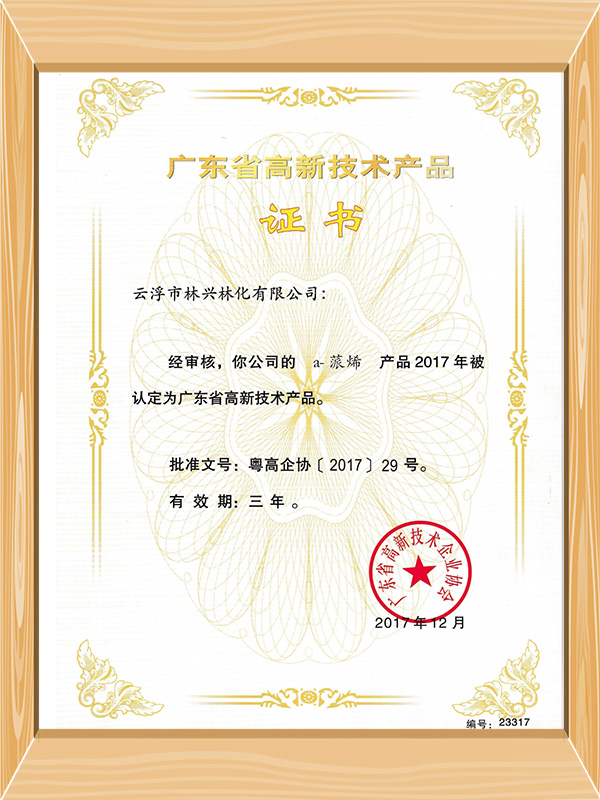
Progressive fragrance projects need suppliers who pair technical depth with ethical foresight. When brands need consistent supply, transparent specifications, and modern synthesis capability, reliable partners make the difference between a fragile launch and a lasting scent. In that landscape, companies that combine robust R&D, clear analytics, and sustainable process thinking offer the clearest path forward — and that is precisely where collaboration with an experienced provider like Linxingpinechem naturally belongs. —
Forward-thinking metrics, thoughtful selection, and a touch of human artistry: keep those three in view and you’ll chart a fragrance future that smells as good as it feels.