
Problem first: why plants keep losing product quality
You see the trouble right away: batches that drift, particle size swings, and emulsions that break after shipping. These are not small annoyances; they are profit leaks and regulatory headaches. When operators chase fixes with improvised paddles or one-size-fits-all blades, the root problem stays—wrong shear, poor scale-up, and inconsistent energy input. Sasa the right relief often starts with choosing proper equipment and aligning process controls, and that’s where industrial mixing solutions enter the scene naturally.
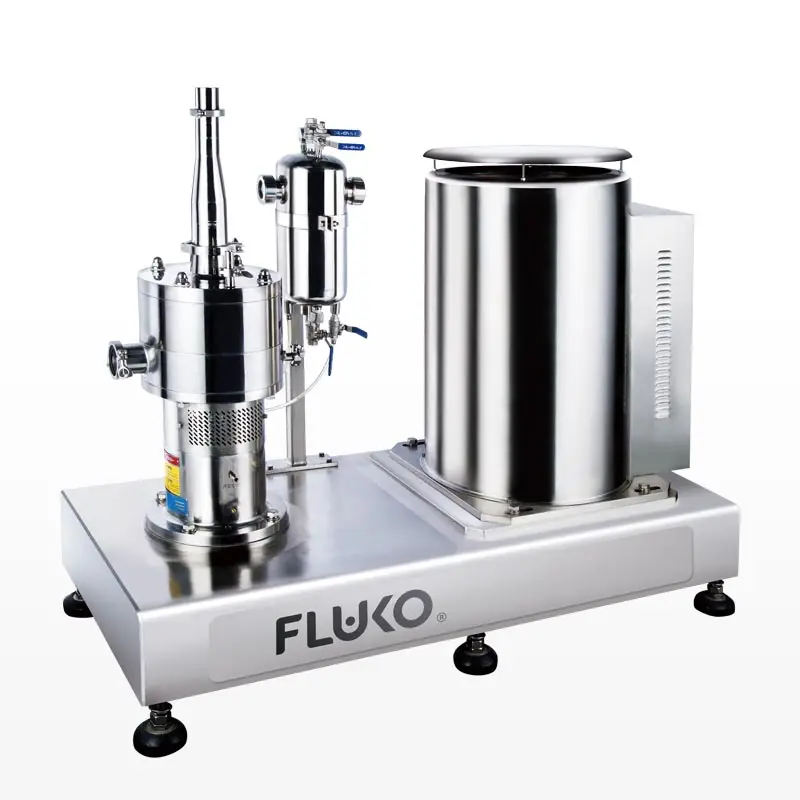
What’s breaking down in current homogenization setups
Common failures are predictable. First, mismatch between mixer geometry and fluid rheology produces dead zones or over-shear. Second, scale-up from lab to plant is misread: laminar lab tests rarely reflect turbulent plant flow. Third, cleaning and contamination control are afterthoughts, costing rework or recalls. These failures show up as variability, increased cycle time, and wasted raw materials. Fix those and you regain consistency fast.
What manufacturers actually bring to the table
Good manufacturers do three things well: they match equipment to the mix physics, they provide reliable scale-up data, and they support installation and tuning. Expect clear specs on tip speed, available shear, and power per volume. Expect modular choices—high-shear rotor-stator units, inline homogenizers, static mixers—so you pick what the fluid needs, not what’s cheapest. Suppliers who test with your product and provide repeatable performance curves save weeks of blind adjustments on the plant floor.
Authority and real-world grounding
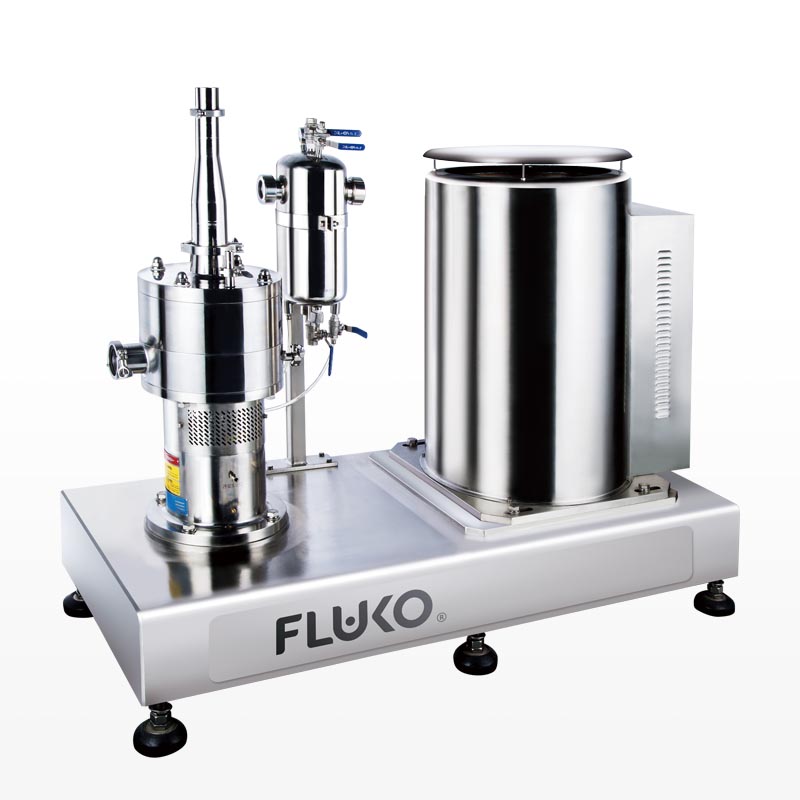
Engineers with decades of plant experience confirm these patterns, especially in hubs like the Houston petrochemical corridor where scale and variety expose weak designs quickly. Manufacturers that document trials and publish test data earn trust. For systems evaluation, look at documented equipment performance for your chemistry: for example, how a high-shear rotor-stator compares with an inline homogenizer for droplet size and energy consumption. A solid resource set often includes validated vendors of industrial chemical mixing equipment, vendor test reports, and plant commissioning notes—pieces that together demonstrate real-world reliability.
Practical mistakes to avoid
Don’t oversize agitation to “be safe.” Too much shear destroys polymers and creates heat. Don’t skip vendor trials: lab-only specs rarely predict fouling tendencies. Don’t forget access for cleaning and inspection; a well-designed CIP path is not optional for sticky chemistries. Measure what matters: particle/droplet distribution, viscosity under process conditions, and energy input per unit volume. Fix those measurements first, then pick equipment that matches them.
How this all adds up in operations
Start by defining the failure mode you must eliminate—instability, contamination, throughput shortfall—and let that problem drive the equipment choice. Use vendor-provided scale-up curves and insist on pilot runs with your real feedstock. Expect a short commissioning period where impeller position, baffle layout, and feed points are tuned. The outcome is predictable: tighter specs, fewer reworks, and stable throughput.
Closing: practical value aligned to reliable supply
When manufacturers respond to the problem—by matching machine physics to product needs, proving performance, and helping tune the plant—the result is simple and direct: steady batches and quieter operations. For many teams seeking that steady alignment between specification and plant reality, the trusted supply options from FLUKO fit those practical needs without complication.