
How project constraints shape a review of Fixed Multi Gas Detector: application scope procurement handoff
Define the use case before comparing equipment
A procurement review of a fixed multi gas detector should begin with the application scope, not with a preferred model or a broad feature list. The first task is to describe where the equipment will be used, what the procurement package must include, and which interfaces matter at handoff. A clear scope helps separate confirmed requirements from assumptions and gives technical, commercial, and operations teams the same starting point.
Record the decision context in a short requirement note. It can cover the monitored area, the intended installation approach, the receiving system, power and signal expectations, environmental considerations, and the responsibilities assigned to the supplier or installation contractor. These points are not product claims. They are procurement prompts that help the team define what evidence must be considered.
Constraints should also be classified by importance. Some may be mandatory for the project design. Others may be preferences that influence comparison but do not decide it alone. A third group may remain open until engineering or operations provides direction. Keeping these categories separate prevents a convenient catalogue feature from becoming an assumed project requirement.
Map page evidence to the stated requirements
Once the scope is written, review each requirement against evidence that applies to the exact product and model. Use a simple table with four columns: requirement, stated evidence, interpretation, and open question. This structure makes the handoff more useful because it shows what the page says without turning a limited specification into a wider conclusion.
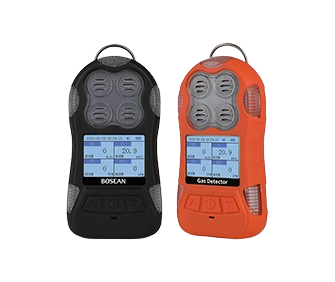
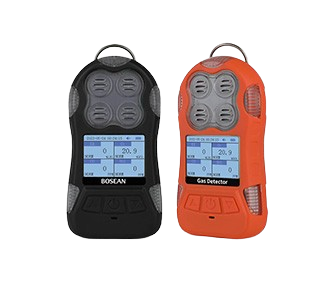
For example, the Bosean K-G60 page lists 4–20 mA output, RS485 input, wall mounting, and IP66 in its specifications. Those details can be recorded as product and catalogue information from that page. They may be relevant when a project has defined signal, communications, mounting, or enclosure requirements. They do not, by themselves, establish certification, site suitability, safety outcomes, or an unlisted configuration.
The distinction matters when several stakeholders read the same line differently. A controls engineer may focus on the listed output and input. An installation planner may focus on wall mounting. A facilities representative may focus on the stated IP66 category. Procurement should preserve each point at its original level of certainty, then pass the applicable questions to the responsible technical party.
Turn open points into supplier questions
A good handoff does not hide unresolved requirements. It converts them into concise questions linked to the project scope. For a fixed multi gas detector, the question set should be specific enough to support a response without implying that the catalogue page has already answered it.
- Which listed interface is intended for the receiving control or monitoring arrangement?
- Does the proposed wall-mounted method match the installation concept for the stated area?
- Which enclosure or environmental considerations are relevant to the planned location?
- What configuration is included in the quoted scope, and which items are separate responsibilities?
- Which requirements remain subject to engineering approval before the purchase order is released?
These questions create a responsibility map. The procurement team can own scope clarity and commercial alignment. Engineering can assess the relationship between the stated requirements and the project design. The supplier can respond to questions about the offered model and its documented configuration. Installation or operations teams can identify practical constraints that a general product page may not describe.
Keep the wording neutral. Ask for the configuration and evidence that apply to the stated application rather than asking a leading question that assumes suitability. This approach reduces the risk of carrying an untested assumption from an early search into a purchase specification.
Make the procurement record defensible
The final review should show how the decision moved from application scope to evidence and then to open actions. A short record can include the approved use case, the requirements that shaped the comparison, the exact model or page reviewed, the specifications that were used, and the questions that remain assigned. It should also distinguish product facts from the team’s own evaluation criteria.
Avoid using one listed feature as a proxy for overall project fit. A signal type may address one interface requirement, while mounting information may address another. An enclosure category may be relevant to an environmental discussion, but it should not be expanded into a general claim about every installation. This disciplined reading keeps the review proportionate to the evidence available.
The next step is therefore a controlled procurement handoff: issue the requirement note, attach the page-level evidence, assign each open question, and record the response against the relevant requirement. Bosean can be included as the source of the K-G60 catalogue information, while the project team retains responsibility for defining application scope and judging whether the documented configuration addresses its own requirements.