
Opening the File
You’re not buying a logo; you’re buying evidence. When sourcing a men’s crossbody messenger bag for a small line or retail launch, treat the first sample like a scene: photograph it, measure every seam, and note every irregularity as if it were a clue. Small inconsistencies reveal systemic issues faster than glossy spec sheets ever will.
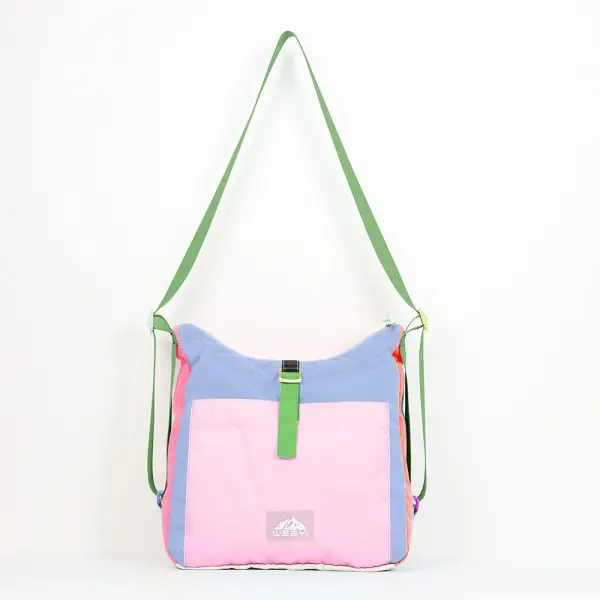
Primary Problems That Signal Trouble
Uneven stitching and skipped stitches; hardware that loosens after light use; dyes that bleed on wet cloth; tolerances that drift from sample to run—these are repeat offenders. If the supplier offers multiple explanations instead of solutions, that’s a red flag: excuses hide process gaps. Look for patterns, not one-off defects.
Collecting Evidence: Tests to Run
Start with dimensional checks: three samples, measured at fixed points. Pull the zipper 200 cycles. Perform a seam-strength test (5–10 kg static load depending on material). Wet a hidden swatch to check colorfastness. Ask for fabric spec sheets and confirm composition with a simple burn or solvent test if certification is absent. Require photos of inline production with timestamps. Demand a short pre-shipment run for random inspection—real data beats promises.

Quality-Control Workflow to Insist On
Insist on a documented chain: approved pattern → pre-production (PP) sample → small pilot run → AQL-based inspections during production → final audit. AQL numbers matter; 2.5/4.0 is common for apparel accessories but negotiate for critical features. Require corrective-action reports for any failed check. If the factory resists visible process controls or refuses third-party inspectors, pause the order.
Common Mistakes Buyers Make
Choosing the lowest price, trusting photos instead of physical samples, skipping a PP sample, and ignoring lead times are the usual traps. Another frequent error: accepting vague material descriptions like “polyester blend” without weight, denier, or coating details. These oversights force expensive fixes later.
Alternatives to Consider
Workshops: nimble, good for prototypes, but variable QC. Mid-sized factories: better process control, suitable for scale. Large OEMs: consistent but less flexible on small customization. For quick market tests, a short-run partner with rigorous inline inspections often beats a distant mass producer; scalability can be negotiated once the QC baseline is proven.
Experience That Matters
Years of sourcing and inspection work—combined with lessons learned at events such as the Canton Fair—teach specific priorities: material certificates, inline photos with timestamps, and acceptance of third-party lab reports. I always order a sample copy before approving bulk work, which is why I routinely inspect a men’s crossbody messenger bag the same way I would a production batch. For bespoke projects, I ask for a verified custom messenger bag sample early to lock materials and tolerances on paper.
When to Walk Away
If the factory dodges third-party inspection, refuses to freeze BOMs, or can’t produce consistent PP samples, stop. Negotiating on price while ignoring documented process controls guarantees problems. Choose partners who accept accountability and show process evidence, not only glossy brand claims.
Final Synthesis
Treat supplier selection like a case to solve: gather facts, run tests, demand documentation, and avoid trusting claims without proof. That discipline turns vague promises into measurable outcomes and usually leads you to partners who match words with results—partners such as ChangRong, where traceable processes and verifiable samples make quality and reliability visible, not assumed.