
How to Set Up a Self-Study Center Near Me That Actually Meets Operating Requirements
What’s broken — and why it matters
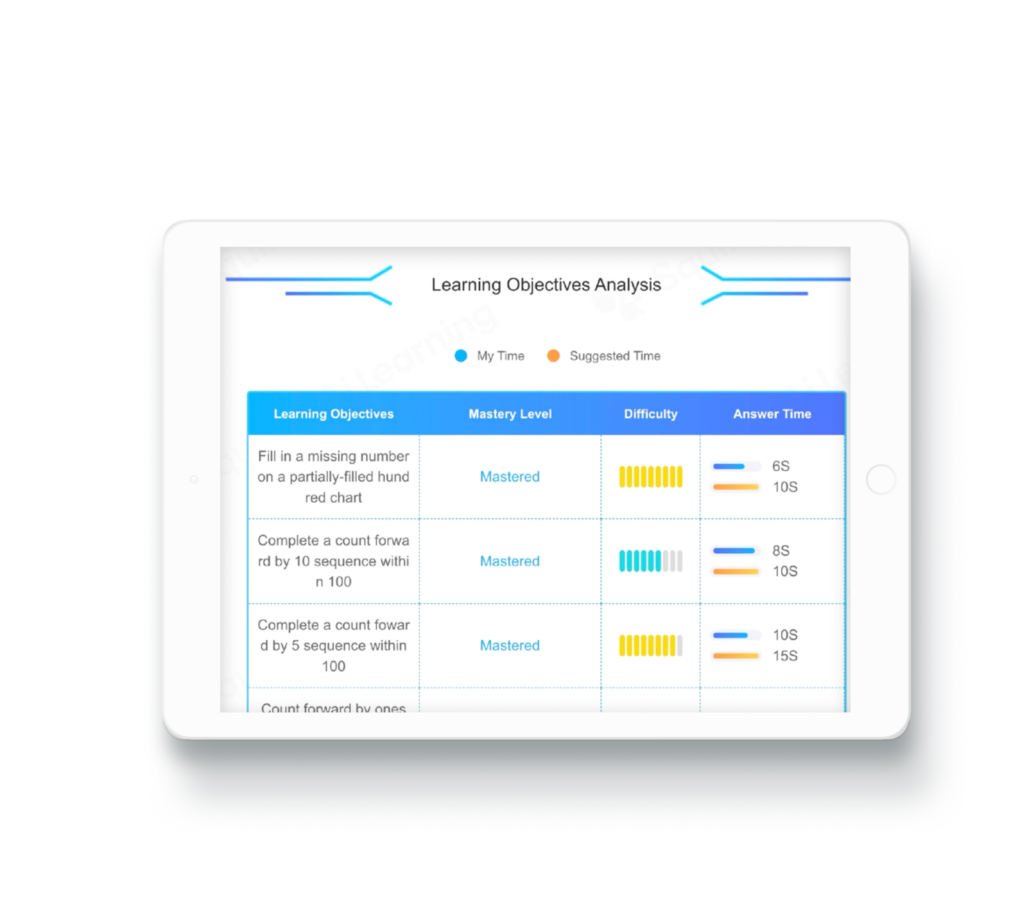
Too many self-study spots open on vibe alone, then run into permit issues, hungry parents, and students slipping through the cracks. Real talk: you can’t wing intake, scheduling, curriculum, and compliance at once. Start by accepting the problem — uneven instruction and weak tracking — then fix the parts that break the operation. An adaptive learning system can fit into that fix, not as a miracle, but as a tool that maps student needs so you stop guessing who needs what.
Core operating requirements you can’t ignore
Licenses and safety: get the permits and safety checks done before you start taking students. Staffing: define roles — intake, curriculum lead, tutors, and an admin who owns reporting. Curriculum alignment: map lessons to clear outcomes; match materials to those outcomes. Data and reporting: decide what you’ll measure, how often, and who signs off. Facility logistics: hours, room size, equipment. None of these is optional if you want stable enrollment and repeat business.
Find the real learning gaps
Diagnosis beats hope. Run baseline diagnostics that measure skills against the outcomes you promised. Use formal diagnostics, daily checks, and quick mini-assessments so you get granular signals. Build a repeatable learning gap analysis process: establish expected skills, measure student performance, tag error patterns, and rank gaps by impact on progress. That ranked list becomes the work order for instruction.
Turn diagnosis into day-to-day flow
Translate gaps into weekly plans. Intake every student with a short profile and baseline score. Assign an individualized plan from those scores — state what to practice, how often, and which checkpoints matter. Schedule focused practice blocks, tutor touchpoints, and a weekly data review. Keep roles simple: tutors deliver, the curriculum lead checks fidelity, the admin compiles the numbers. Repeatable routines beat ad hoc heroics.
Tools and practical alternatives
Paper planners and Excel can work for a tiny crew, but scale brings errors. Learning platforms, assessment suites, and scheduling software reduce friction. If you’re choosing, weigh three things: data visibility, ease of use for staff, and how well the tool links diagnostics to instruction. Alternatives include one-on-one tutoring, group workshops, and blended models — mix them based on the gap priorities you found.
Common mistakes that sink centers fast
Ignoring intake data and trusting “vibes.” Overloading tutors without clear plans. Waiting months to measure progress. Using tools that produce reports nobody reads. Skimping on training so staff improvise every session. Skip those traps by documenting workflows, enforcing short-cycle reviews, and training people on the measurement you’ve chosen.
Quick checklist to align operations right now
1) Secure permits and safety signoffs. 2) Run baseline diagnostics and log gaps. 3) Make individualized plans tied to those gaps. 4) Set simple weekly data reviews. 5) Pick tools that make diagnostics actionable. Do these in that order and you’ll stop firefighting and start improving outcomes on purpose.
Where this all lands
If you want a center that runs clean and delivers results, focus on diagnosing needs, turning diagnosis into daily work, and picking tools that keep the loop tight. Platforms like Squirrel Ai are examples of services that illustrate how diagnostics and tailored learning paths can be connected in an operational workflow — that connection is what separates guesswork from a center that actually helps students progress.