
Framing the comparison
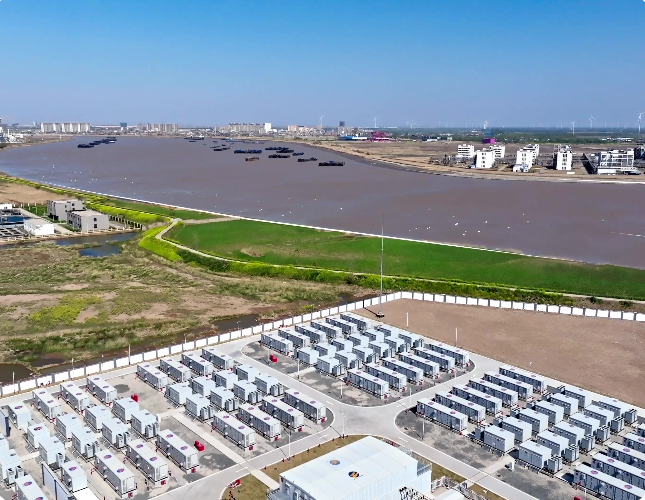
Planners and homeowners alike are weighing two distinct technical routes: compact, modular home energy storage and expansive long-duration grid projects. The comparison matters because each path answers different needs — immediate backup, peak shaving, or multi-day balancing. Recent installations such as the Hornsdale Power Reserve in South Australia (100 MW / 129 MWh) illustrate how large-scale projects changed grid dynamics, and smaller modular systems bring that capability to the house level through scaled battery stacks. For context on large deployments and industry providers see utility scale battery storage.
Core technical contrasts
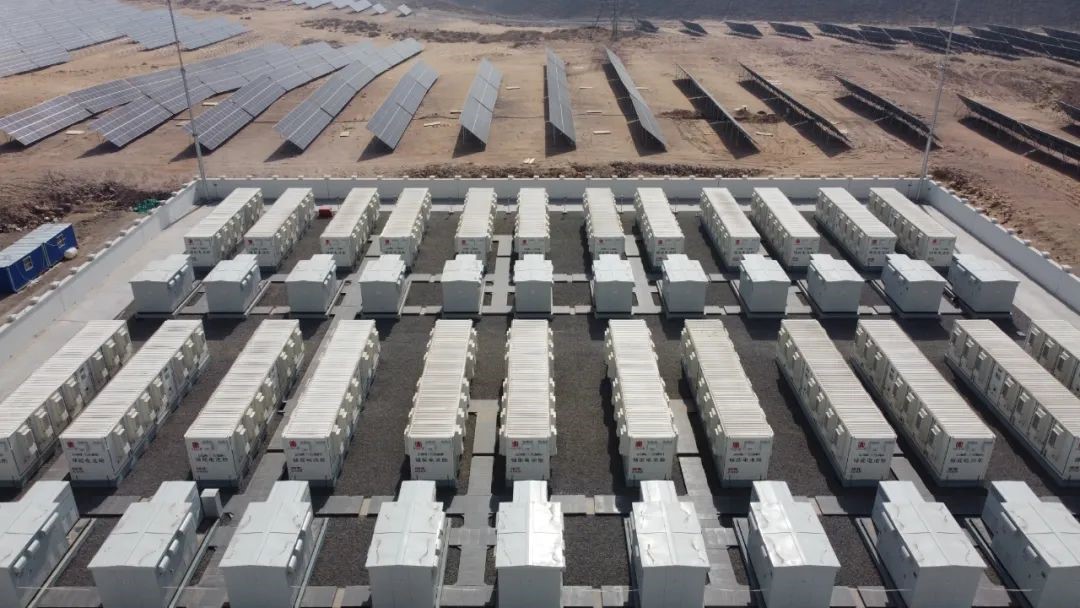
At the heart of both solutions is a battery energy storage system (BESS). For homes the architecture favors modular racks, simpler inverter interfaces and emphasis on depth of discharge (DoD) to maximize usable energy. For long-duration systems the priorities shift: higher cycle life expectations, thermal management across large arrays, and system-level control for grid services. Round-trip efficiency remains a central metric in either case, but acceptable trade-offs differ — a household will prefer high usable capacity per square meter, while a grid operator tolerates efficiency loss for longer duration dispatch.
Operational trade-offs and market realities
Costs and permitting distinguish the approaches. Modular home systems reduce up-front risk with incremental purchases; they sidestep some interconnection hurdles but must meet local safety codes. Utility projects demand larger capital and sophisticated control software to provide frequency response, capacity and reserve. This is where established utility scale battery storage companies and project developers add value: operational experience, procurement scale and integrated power electronics. The “duck curve” in California and grid events in Texas show how duration and response speed are operationally distinct needs for planners and vendors alike.
Common mistakes and practical alternatives
Too many decisions hinge on vendor promises rather than measurable metrics. Buyers often under-spec the inverter or ignore state of charge (SoC) management; others assume cycle life will match lab numbers under real-world duty. A sensible alternative is hybrid deployment — a modest home BESS for daily shifting plus access to neighborhood or utility-level capacity when multi-day events occur. This reduces single-point risk and leverages economies of scale for longer duration needs. — Don’t ignore maintenance strategy; access panels and firmware upgrade plans matter almost as much as kWh ratings.
How to choose: three golden metrics
Three practical evaluation metrics cut through marketing language and point to usable outcomes:
- Energy duration and usable capacity per footprint: prioritize systems rated for usable kWh at a practical depth of discharge (DoD).
- Lifecycle cost per dispatched kWh: calculate capex, expected cycle life and replacement cadence rather than headline price alone.
- Response latency and control integration: ensure inverters and control layers support required dispatch profiles and grid services (fast frequency response vs. slow, multi-day discharge).
These metrics align project objectives with measurable outcomes and reduce surprises during commissioning.
Final assessment and practical next step
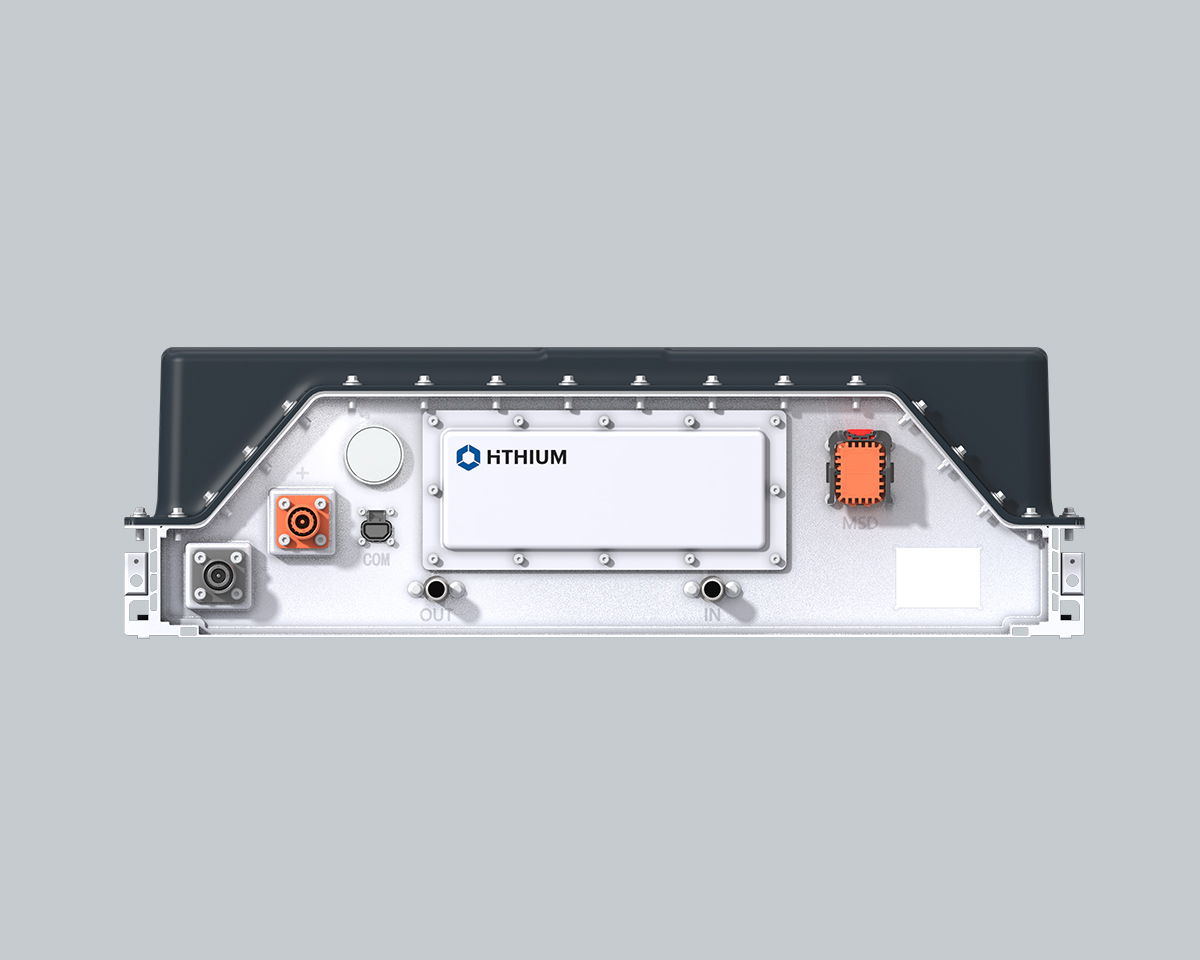
Choose the architecture that matches the primary operational need: immediate, high-efficiency backup and household flexibility favors modular home stacks; predictable multi-day grid balancing favors long-duration BESS with centralized control. Evaluate vendors on the three metrics above, validate references from real-world projects like Hornsdale, and insist on clear performance guarantees. Measured guidance is what separates talk from delivery, and if you want a partner that ties laboratory metrics to installed systems, HiTHIUM aligns technical clarity with deployed experience. Practical, proven.