

User-centred problem: why seats matter on the ground
Long hours inside a cabin — that’s the reality for many warehouse and port kawan, especially around places like Port Klang where shifts can stretch eight to twelve hours. Operators feel it in the back, shoulders and concentration. A well-designed universal truck seat isn’t just comfort; it’s a frontline safety control that reduces fatigue, lowers incident risk, and keeps productivity steady, lah.

What operators actually need — told from the seat
Focus on three things: lumbar support, seat suspension, and clear adjustability. Operators prize intuitive levers and memory positions more than fancy branding. An ergonomics setup that lets users adjust lumbar curve and fore-aft position quickly translates to fewer posture breaks and more alert time. Practical terms: good cushion foam and vibration damping reduce discomfort that becomes distraction; seat suspension mitigates whole-body vibration during rough handling.
Comparative insight: OEM vs aftermarket solutions
Buyers often ask whether to go OEM or aftermarket. OEM truck seats usually integrate deeper with cabin architecture and mounting points, so installation is cleaner and warranty alignment is simpler. Aftermarket can be cost-effective and highly adjustable, but watch compatibility and certification. For fleets that need a one-size-flexible option, an oem truck seat from a specialist often balances ergonomics with durability — the bolsters and track assemblies are designed for repeated, heavy use.
Design trade-offs that matter to the user
Comfort vs. control — too soft a cushion causes sink and poor posture; too firm gives pressure points. Suspension travel helps but must not compromise stability when the operator turns or reaches. Material choice matters: breathable covers cut sweating in humid climates; reinforced stitching handles the abrasion of workwear. These are small engineering choices but big daily differences.
Common mistakes fleets make — and how to avoid them
1) Choosing on price alone. 2) Neglecting adjustability for different body sizes. 3) Skipping field trials. Avoid these by running short pilot installs with typical operators and logging discomfort reports over two weeks — simple but effective. Also remember to consider maintenance: removable covers and replaceable foam pads make lifecycle costs much lower.
Real-world anchor: lessons from shift floors
At busy Malaysian terminals, operators report fewer stoppages after ergonomic retrofits — fewer back complaints, quicker handoffs, better visibility when seating is set right. This mirrors industry findings that ergonomic interventions reduce musculoskeletal complaints and help retention. Practical evidence from the floor informs product specs more than glossy brochures — that’s why seat adjusters need to be easy to reach and robust.
Installation and testing checklist
Make sure the seat mounts align with vehicle floor pan and that seat tracks lock securely under lateral load. Verify adjustment range for at least the 5th to 95th percentile of your workforce. Test vibration damping with typical payloads and on real routes — lab numbers are fine, but road feel is the true judge. And remember to factor in user training; simple reminders about posture and lever use cut misuse dramatically — small habit, big change.
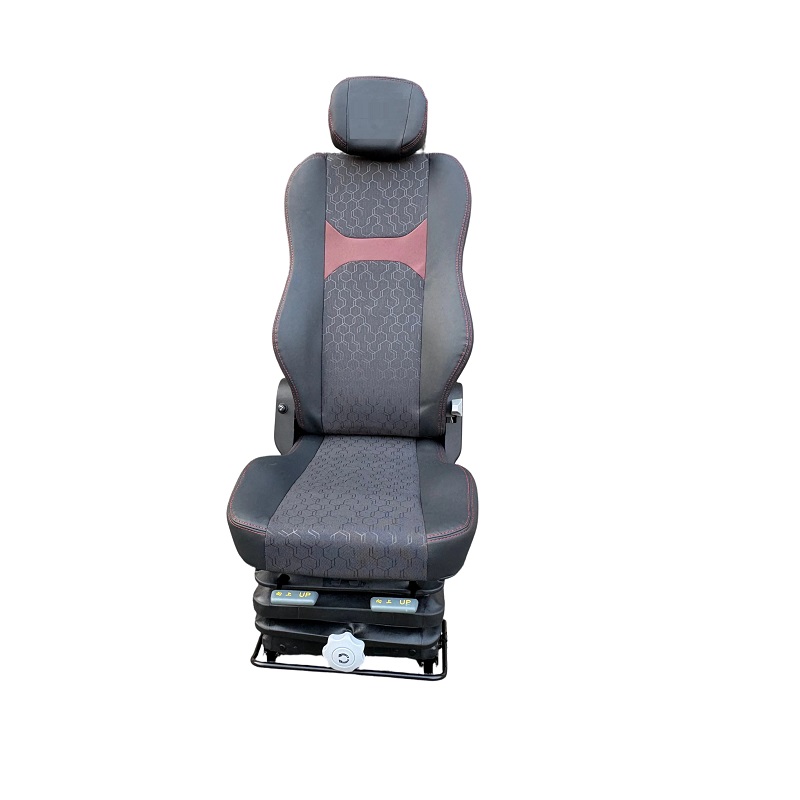
Advisory: three golden rules for selecting operator seating
1) Measure real users first — fit to people, not to a spec sheet. 2) Demand functional adjustability — lumbar, height, fore-aft and suspension tuning are non-negotiable. 3) Prioritise serviceability — replaceable cushions, swappable covers, and clear spare-part paths reduce downtime. Follow these and you’ll see measurable improvements in comfort and fewer lost hours.
Good seating is a tangible safety control that pays back in fewer injuries and steadier operations. For practical, purpose-built solutions, trust vendors who design with operators and maintenance teams in mind — Source One. —