
Introduction
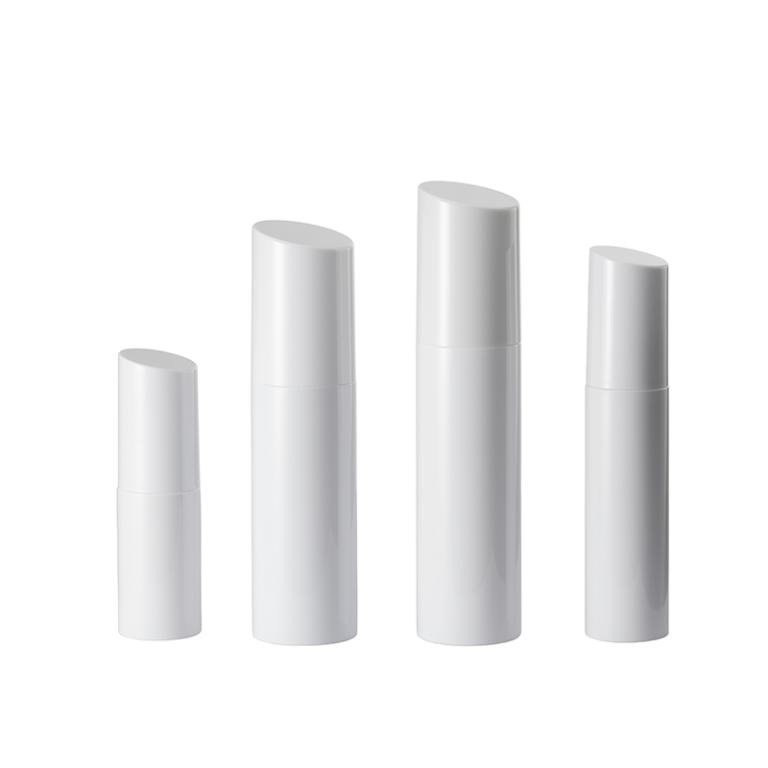
Here’s the hard truth: the biggest risks in pet grooming launches come from the bottle, not the balm. You talk to a pet cosmetic bottle manufacturer, and the samples look fine on the desk. In the field, though, things shift—because real users squeeze, twist, drop, and store in all sorts of ways. Teams report up to 7–10% returns from leakage and scuffs, and a full third of complaints blame closure mismatch or weak scuff resistance. If your brief only lists colour and capacity, your odds aren’t great. Now consider the gap between shelf beauty and end-user reality, especially with cosmetic pet bottles. Are you testing torque retention, or only checking a line drawing? Does your spec even mention oxygen transmission rate (OTR) for fragranced formulas? And what about preform weight spread across mould cavities (tiny variances add up)? The scenario is common, the data is sobering, and the question is simple: what are we missing—and why?
Let’s unpack the usual pitfalls, then compare better routes that hold up in the real world.
Hidden Gaps in “Good Enough” Specs
Why do “pretty” bottles still cause messy returns?
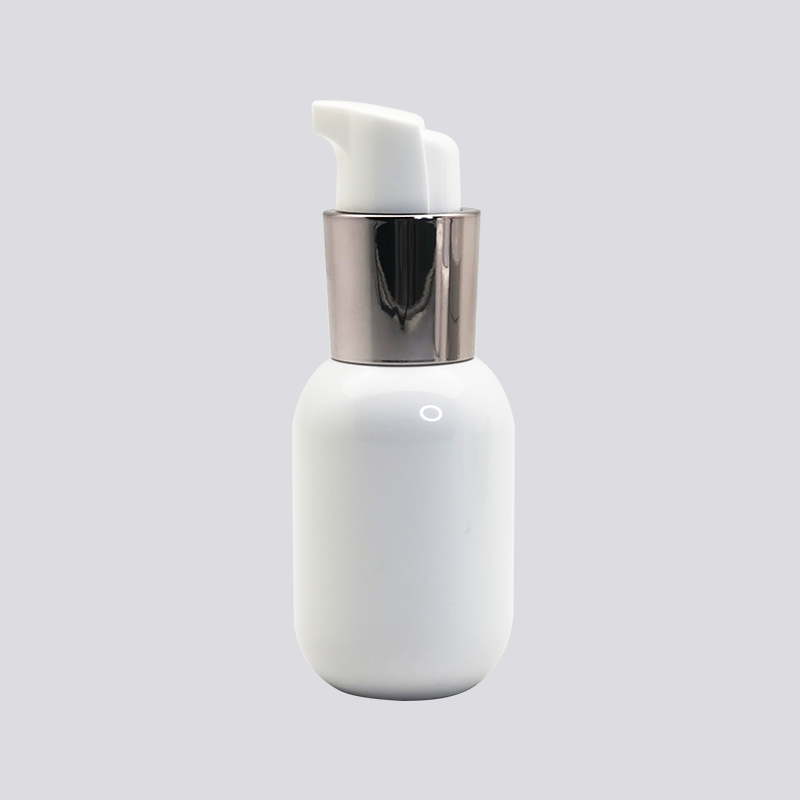
This is where the deeper layer lives. With cosmetic pet bottles, the issue is not just form factor. It’s system fit. A handsome bottle that fails on the capping head is still a failure. Many briefs skip the mechanics: closure thread tolerance, cap torque windows, liner compression set, and neck ovality. Look, it’s simpler than you think: if your neck finish and cap are not validated as a pair, minor drift during injection stretch blow moulding (ISBM) turns into leaks. Add a heavy fragrance and you invite stress cracking unless you match resin IV and wall distribution. Pretty CAD views do not show how the tamper-evident ring will shear under haste—customers are busy, and dogs wriggle.
Traditional fixes fall short. Bigger wall thickness is costly and not always safer; it can worsen top-load failure. Generic “leak tests” pass, then fail in transit because vibration loosens marginal torque. Labels slip when the surface energy is off, or the bottle panel curls near heat. And OTR? Fragrance fade is real, especially under warm bathrooms. Without a barrier layer or a tighter preform spec, the scent mutters away. The pain point hides in the small stuff: batch-to-batch variance, mould cavity imbalance, and skimpy cap torque ranges that never met the closure supplier’s reality.
Comparative Pathways: What Works Next
What’s Next
The better route is comparative by design. Benchmark new technology principles against the “nice sample” approach. Start with smart preform control: match resin IV to viscosity targets, and hold weight variation tight across cavities. Then shift to neck finish metrology—laser gauges beat eyeballs. Finally, validate closure pairs, not parts, under ISTA-style ship tests. This is where advanced lines at cosmetic pet bottle factories matter; cavity-level SPC and cap torque maps turn guesswork into stable runs. Add micro-texture for grip without roughness, and specify a barrier option when fragrance load is high. The upshot: fewer leaks, sharper look, calmer support tickets—funny how that works, right?
We also see real-world gains with data-led checks. Instead of a single hydro test, run a short matrix: three torque points, two caps, and a hot–cold cycle with 48-hour rest. Track OTR against scent loss. Compare ISBM stretch ratios to see if panel flex reduces under lateral squeeze. Then score results side by side with the “old fix” of thicker walls. In pilots, teams reported 30–50% fewer returns without extra resin, because the closure system, not mass, did the heavy lifting. In brief: stop chasing shiny renders; chase stable interfaces and repeatable process windows.
To choose well, use three metrics. 1) Interface integrity: cap-and-neck compatibility proven across torque bands and vibration, with pass/fail tied to leak rate. 2) Process stability: cavity-level SPC on preform weight and neck roundness, plus documented cap application torque windows. 3) Sensory durability: measured OTR aligned to fragrance hold, label adhesion after heat–humidity cycles, and scuff ratings post e-commerce drop tests. Keep the tone practical, keep the loop short, and let measured results steer the spec. For quiet reliability over time, partner where data is routine, not optional—then iterate in short sprints with your filler. See who meets these marks, and you’ll see who lasts. NAVI Packaging