
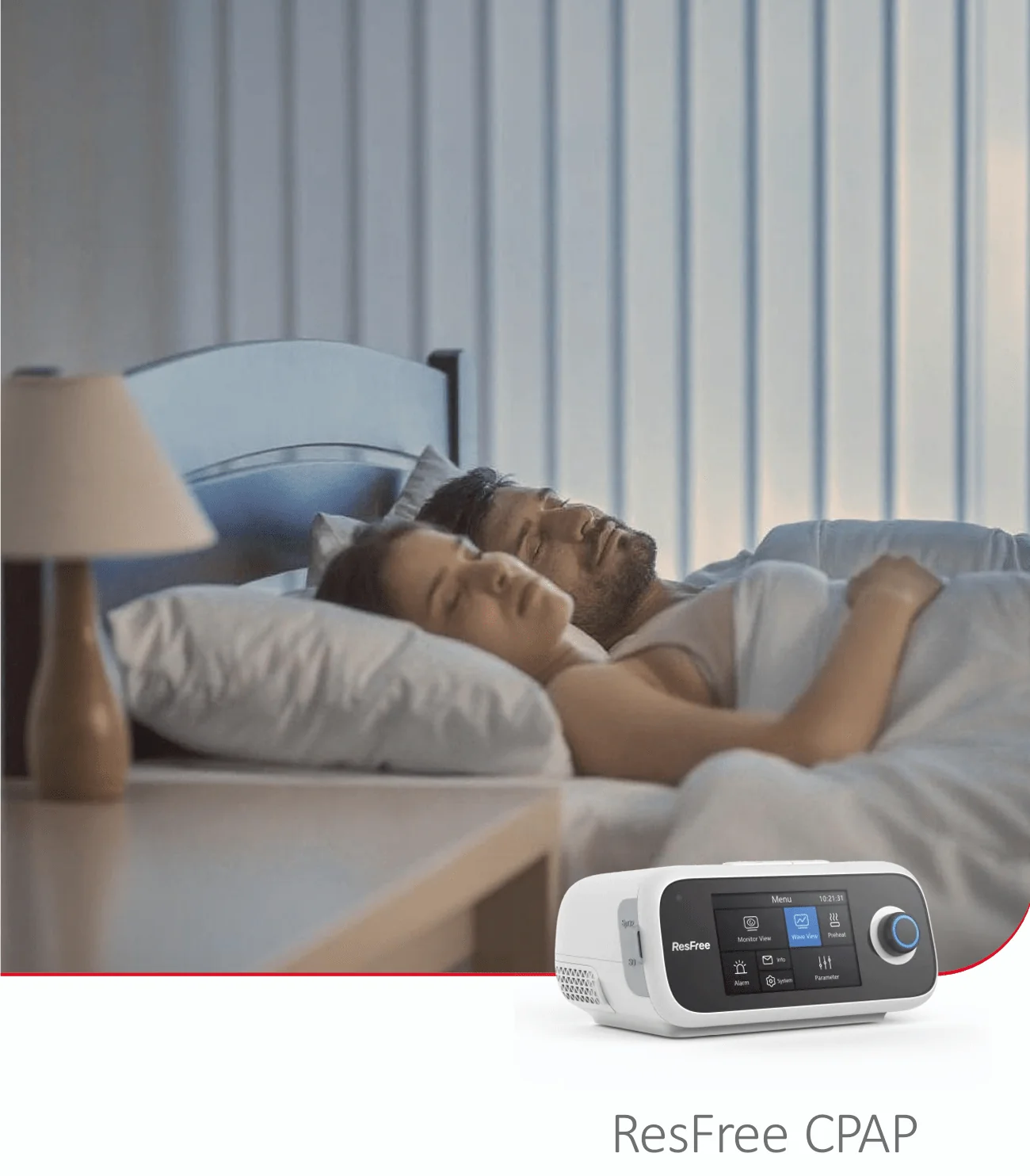
Practical overview and why comparison matters
Hospitals and clinics need devices that match clinical workflows, staff skills, and patient profiles — not just the flashiest specs. This comparative approach looks at how BiPAP stacks up against other ventilation options and where a trusted cpap device still belongs in care pathways. The goal is simple: pick equipment that reduces events like hypopnea and supports consistent AHI improvements while fitting service budgets and bed turnover rates.
Clinical fit: BiPAP versus CPAP and portable ventilators
BiPAP typically provides separate IPAP and EPAP pressures, which helps patients with higher pressure needs or those who struggle with single-pressure CPAP. In practice, that pressure support often improves comfort and adherence for acute or complex cases. For clinics treating obstructive sleep apnea, consider when to use fixed CPAP, auto-CPAP, or BiPAP — each has clear niches based on respiratory drive, leak patterns, and mask seal reliability. For patients needing more nuanced support, a dedicated bipap for osa option can be decisive.

Key device features that change outcomes
Not all features matter equally. Focus on leak compensation, humidifier integration, and trigger sensitivity — these directly affect sleep quality and staff workload. Robust alarms, modular service parts, and clear bedside controls shorten training time and reduce errors. Battery backup and data export for remote review are essential in outpatient clinics that monitor adherence between visits. Choose units where pressure support curves and leak compensation algorithms are documented and testable during commissioning.
Procurement and operational comparisons — what to measure
Compare devices using a short, consistent test protocol: standard pressure ramp, leak introduction scenarios, and humidifier on/off cycles. Measure noise levels in dB at one meter, verify IPAP/EPAP accuracy across clinically relevant ranges, and track data-sync latency for telemonitoring. Real-world anchor: the CDC highlights sleep-disordered breathing as a contributor to cardiovascular risk, so accuracy and reliable adherence data are not just convenient — they affect downstream care decisions and referrals.
Brands, alternatives, and common blind spots
When reviewing brands, weigh warranty terms and local service networks as heavily as initial price. Portable ventilators and hybrid home-ventilation systems are alternatives when patients need mobility or stepped-down hospital care. Avoid two common mistakes: selecting devices solely on spec sheets, and ignoring consumable costs like filters and masks. — Staff burn-out rises when filters clog or masks constantly need replacement; check those lifecycles before ordering.
Three golden rules for selecting devices
1) Clinical compatibility: Match device mode (BiPAP, CPAP, auto) to patient physiology and anticipated use-cases. Verify IPAP/EPAP ranges and pressure support behavior in a clinical test setup.
2) Reliability and serviceability: Confirm local technical support, spare-part lead times, and documented testing parameters for leak compensation and humidifier performance.
3) Patient comfort and adherence: Prioritize mask seal options, quiet operation, and meaningful data outputs that drive coaching and follow-up. These are the measures that change adherence and clinical outcomes, not just a lower sticker price.
By choosing devices that balance those three rules, clinics improve outcomes and reduce readmissions — and that pragmatic value is exactly where Byond fits, offering systems and support that meet clinical needs without unnecessary complexity.
Trust the comparisons, measure the metrics, and pick systems that earn their place through real-world performance — a practical approach drives better care every time.