
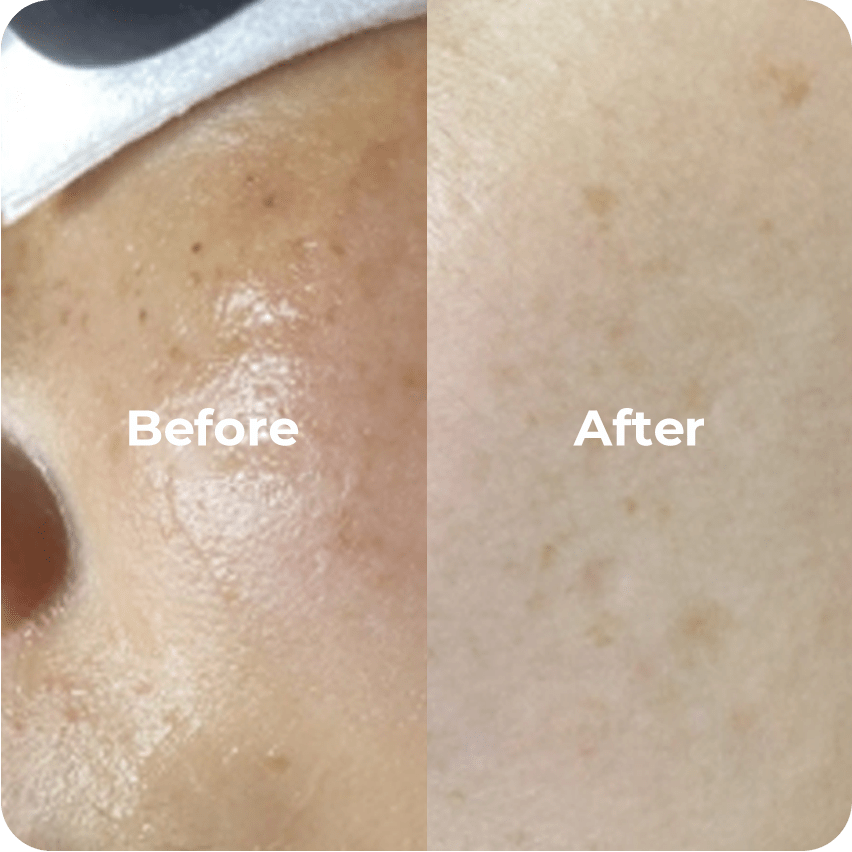
Opening: why the patient perspective changes everything
From the outset, a user-centric lens reframes technological advancement as a question of lived outcomes rather than feature lists. Patients seeking skin rejuvenation treatment expect measurable improvement with predictable downtime and minimal adverse effects; so do clinicians and practice managers. In many clinics across Dubai and other major regional centres, the post‑2020 recovery of elective services has accelerated adoption of devices that explicitly prioritise safety workflows and ease of use. When manufacturers term a device “next‑gen,” the real test is whether that generation reduces variability in the clinic—both in operator technique and in patient response—during a standard course of rejuvenating skin treatment.
What “aesthetic refinery” means in patient-centred practice
An aesthetic refinery is not merely a device factory; it is an iterative development process that blends human factors, clinical protocols, and device engineering. For a patient-centred approach this means: simplified user interfaces, integrated safety interlocks, and evidence-aligned protocols that reduce operator decision burden. Examples include automated energy modulation in fractional laser platforms, pre‑set depth profiles in microneedling-RF devices, and guided dosing recommendations tied to Fitzpatrick skin type. These refinements are designed to reduce complications such as post‑inflammatory hyperpigmentation and to standardise outcomes across varying clinician skill levels.
Key technologies and their safety trade-offs
Understanding device classes helps frame expectations. Ablative and non‑ablative lasers, fractional radiofrequency (RF), and microneedling with adjuvants each offer distinct efficacy and risk profiles. Ablative resurfacing yields substantive collagen remodelling but carries higher downtime and infection risk; non‑ablative options trade amplitude of effect for greater safety and faster recovery. Fractional delivery and needle‑depth control mitigate full‑surface thermal injury—yet they also require rigorous calibration and training. Device-level safety features (real‑time temperature monitoring, impedance sensing) materially reduce adverse events when paired with robust operator protocols.
Clinical workflow: protocols that centre the user
Safety improvements are most effective when technology is integrated into a clear clinical pathway: pre‑treatment assessment, standardised consent language, intra‑operative checks, and objective post‑procedure follow-up. Pre‑treatment includes skin typing, review of photosensitising medications, and a documented plan for anaesthesia and aftercare. During the procedure, features such as automatic cut‑outs and guided passes reduce human error. Aftercare protocols—antiviral prophylaxis for high‑risk patients, topical regimens to support barrier repair—complete the patient journey. These protocols are where refinements in device design translate to lowered complication rates in real clinics.
Common mistakes clinics make — and how refinements fix them
Clinics frequently understate variability in operator technique and the impact of inconsistent consumables (serums, tips, or cartridges). Tools that lack objective feedback invite subjective adjustments—this is where the human factor generates most complications. Aesthetic refineries that invest in consumable standardisation, clear maintenance schedules, and user training materially reduce variability. — Training should not be an afterthought: device handover must include competency verification and practical supervised sessions before independent use.
Evidence and realistic expectations
Robust clinical evidence remains essential. Small single‑site series can suggest benefit, but multicentre reproducibility and standardised endpoints (e.g., investigator global aesthetic improvement scale, validated patient‑reported outcome measures) provide reliable anchors for adoption. Practitioners should expect incremental improvements in safety—fewer unexpected burns, less pigmentary change—rather than miraculous one‑session cures. That temperate expectation prevents overuse and aligns device claims with real patient benefit.
Alternatives and when to choose them
Some patients prioritise rapid, dramatic change and will accept higher downtime; for them, ablative options remain appropriate when administered by experienced teams. Others require low‑risk, maintenance‑oriented strategies—here, non‑ablative lasers, low‑energy RF, or structured topical regimens may be preferable. Hybrid approaches (e.g., combined microneedling and topical delivery like PRP) can optimise results while distributing risk, provided each component has an established safety record. Choice should align with patient values, skin type, and access to postoperative care.
Practical checklist before adopting next‑gen devices
Clinics should evaluate three operational domains before purchase:
- Usability and training: Does the manufacturer provide competency‑based training and measurable assessment?
- Safety features and documentation: Are there real‑time monitoring systems, and is adverse‑event data transparent?
- Consumables and service: Are tips, cartridges, and software updates standardised, and is local technical support available?
Three golden rules for selection (Advisory)
1) Prioritise documented safety improvements over novel marketing claims—look for devices with multicentre outcome data and clearly described safety interlocks. 2) Require integrated workflow support: mandatory training modules, maintenance schedules, and consumable traceability reduce operator and supply‑chain variability. 3) Measure outcomes locally: implement basic KPIs such as complication rate per 1,000 treatments, patient satisfaction scores, and downtime length—use these metrics to guide device iteration.
Conclusion
Adopting patient‑centred refinements shifts responsibility from individual operators to system design—fewer surprises, more reproducible results. The most reliable improvements come when technology, protocol, and training converge; that convergence is precisely the value proposition that innovators like ENZOEYS aim to deliver. —