
Problem-driven lead: Why precise thresholds keep the lights on
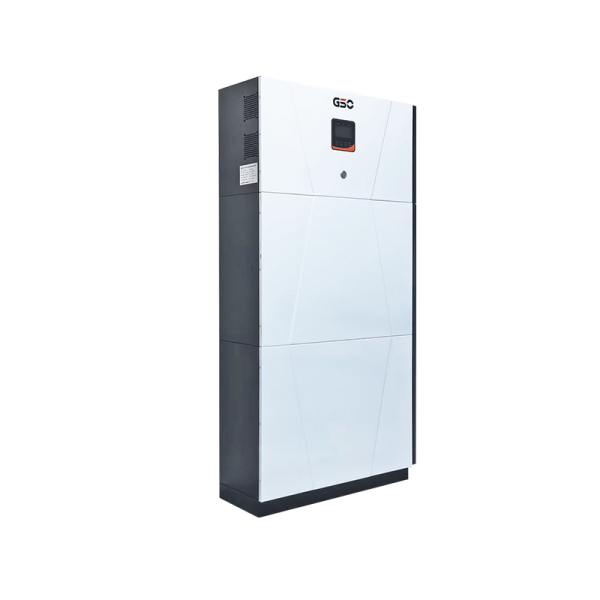
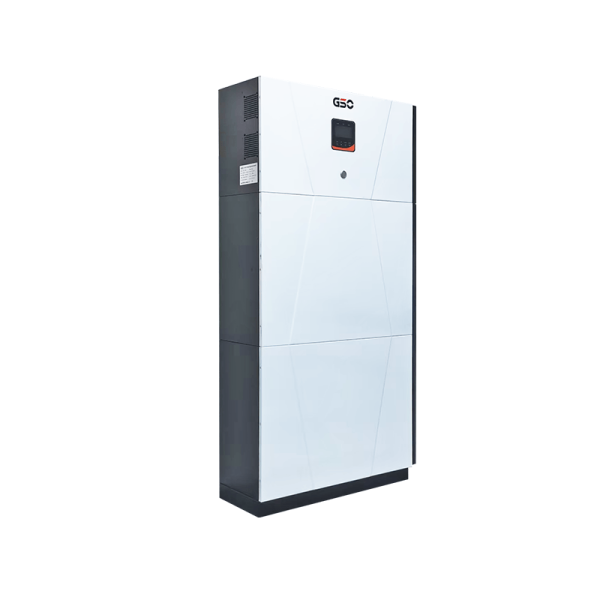
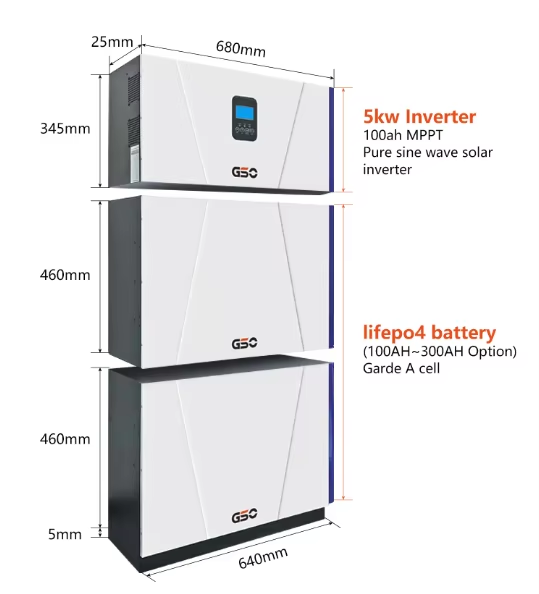
When rooftop PV and a battery sit behind your meter, the inverter becomes the traffic cop for volts and amps — set it wrong and you get nuisance trips or, worse, energy you can’t use. After California’s rolling blackouts during recent heatwaves, homeowners started treating inverter settings like the thermostat: something to tweak, not ignore. Modern integrated packs often ship with conservative defaults, so a tuned system, especially an all in one storage installation, can mean real gains in usable energy. This piece walks through which settings actually move the needle: voltage thresholds, delta‑V behavior, and the quirks that bite DIYers and installers alike.
What delta‑V and voltage thresholds actually control
Delta‑V is simply the change in voltage over time that an inverter watches for to decide whether the battery or grid should be favored. Voltage threshold is the absolute voltage setpoint that triggers charging, discharging, or protection. Together they determine when your inverter hands power to the house, when it draws from battery, and when it shutters to protect cells or grid equipment. Think of delta‑V as the sensitivity and the threshold as the limit — both must be matched to the battery chemistry, PV array behavior, and local grid swing to avoid unnecessary cycling or cutouts. Terms to keep on hand: inverter ride‑through, state of charge, and PV clamp behavior.
How incorrect settings manifest in the field
Wrong thresholds show up predictably: frequent micro‑cycles that shorten battery life, disconnection during high PV output, or failure to sustain critical loads during grid disturbance. Installers often leave factory defaults intact because they “work” in lab conditions. In the real world — variable irradiance, feeder voltage drops, and household motor loads — those defaults can create problems. One recurring pattern is a setup where voltage thresholds are too tight, which chases the inverter into rapid transitions. The result is higher wear on contactors and a battery that never quite gets to a steady state — wasted capacity, in plain terms.
Practical calibration steps that actually work
Start with data collection: monitor voltage profile, PV output, and battery SOC over a few days of typical use. Then apply these adjustments in order: adjust the charge/discharge voltage thresholds to match battery manufacturer recommendations; set delta‑V to ignore brief transients but still catch real events; and tune anti‑islanding ride‑through so the inverter won’t drop out during short grid sags. For integrated installations, the control logic often exposes fewer knobs, but the principles are identical — whether it’s an inverter‑only setup or an all-in-one energy storage system. Log changes and run another monitoring window. If cycles increase without added deliverable energy, roll back or widen the deadband slightly.
Common mistakes and safer alternatives
Plenty of folks make the same errors: chasing perfect efficiency targets, using overly narrow thresholds, or ignoring local grid voltage behavior. A safer path is incremental tuning with measured baselines. Use a staged approach: observe, tweak one parameter, observe again. Don’t conflate lower cutoff voltage with longer battery life — cells behave differently under repeated shallow cycling. And when in doubt, consult the battery spec sheet and the inverter’s ride‑through documentation — the right numbers are usually there, buried in the fine print.
Advisory: Three golden rules for practical selection and tuning
1) Prioritize stability over marginal gains: set thresholds that prevent unnecessary transitions even if peak energy capture drops slightly. Stability prolongs battery life and reduces maintenance. 2) Use delta‑V deadbands that filter irradiance flicker but still respond to sustained events — aim for measurable reduction in cycle count on your next monitoring pass. 3) Anchor settings to real measurements from your site — feeder voltage under load, typical PV ramp rates, and battery temperature. Those three metrics tell you whether your configuration is serving the household or just generating logs.
Bottom line: tune with patience, measure outcomes, and favor resilient settings that match your battery and local grid behavior. — For many homeowners, a properly set integrated pack is the difference between a system that’s finicky and one that simply works. gsopower