

Framework for placement decisions
Start with a clear map: cluster cameras by proximity, power needs and uplink routes. This framework keeps cable runs sensible and helps you pick whether to use a layer 2 managed switch at edge points or push aggregation back to a comms room. EEAT mode: practitioner experience — these are grounded tips from hands-on installs and urban rebuilds like Christchurch after the 2011 quake, where resilient CCTV and communications became a priority. Use terms like PoE, VLAN and uplink when you document the plan so the install crew knows the power budget and network segmentation up front.

Where an 8-port PoE industrial switch shines
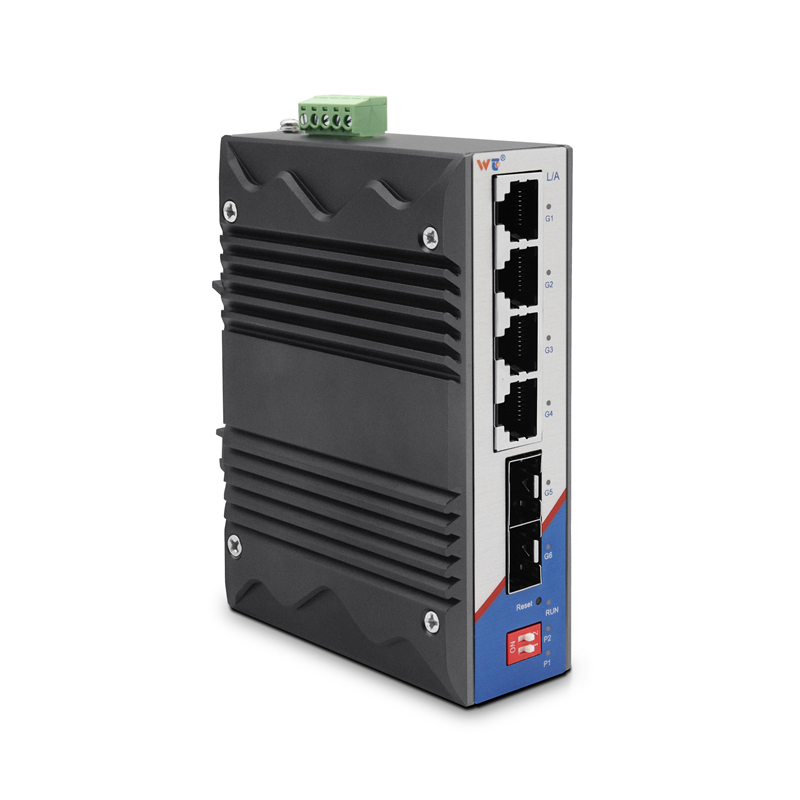
Pick sites with short cable runs to clusters of cameras: lamp posts, gatehouses, factory mezzanines and small substations. An 8-port PoE industrial switch is ideal where you’ve got a handful of cameras and want local power without running separate power circuits. Keep an eye on environmental factors — weatherproof enclosures, temperature range and surge protection are non-negotiable for roadside or dockside installs.
Network design checklist
Use this checklist as your go-to when deciding exact mounting points:- Confirm PoE budget: whether cameras need 802.3af (≈15.4W) or 802.3at (≈30W) and size your switch accordingly.- Plan VLANs per camera group to limit broadcast traffic and simplify access control.- Reserve an uplink port for aggregation or link it to a core switch using LACP if throughput rises.- Consider using a layer 2 gigabit switch at the next hop when you need simple switching with QoS but don’t require layer 3 routing.
Cabling, power and PoE realities
Cable distance and quality matter. Run Cat6 for longer distances and predictable PoE losses. If you’re pushing beyond 100m, put the 8-port unit closer to the cameras or use fiber uplinks. Watch total PoE draw—mixing high-resolution PTZs with fixed cameras can easily exceed a switch’s budget. When that happens, either reduce camera count on that switch or use a secondary PoE injector — cheaper than a mid-project rewire.
Common mistakes to avoid
Don’t centralise everything without thinking about failure modes. A single switch feeding twenty cameras across daisy-chained runs sounds tidy but creates a single point of failure. Instead, spread 8-port PoE switches across logical clusters. Don’t forget environmental ratings — an “industrial” unit without a proper IP-rated enclosure still won’t cut it in coastal spray or dusty yards. And label both ends of every cable — it saves hours.
Balancing management and cost
For most medium sites a managed 8-port option gives the sweet spot: port security, PoE scheduling and VLANs without the price jump of modular chassis. If you’ve got multiple sites or need more control, push aggregation to a core switch and use the edge units for simple forwarding. The layer 2 features you choose—QoS and VLAN tagging—will make a surprising difference to video stream stability during busy periods.
Deployment example with a real-world anchor
On a recent suburban council job near central Christchurch, we grouped cameras by intersection and put an 8‑port industrial PoE switch at each streetlight cluster with fiber backhaul to the comms cabinet. That kept copper runs under 50m, preserved PoE budgets, and isolated faults to one cluster — minimal downtime during maintenance windows. The lesson: design with locality in mind, then standardise the hardware and configs.
Three golden evaluation metrics
When picking where to mount that 8-port PoE industrial switch, rate options against these metrics:1. Power headroom — remaining PoE capacity after camera load (target ≥20% spare).2. Latency and uplink bandwidth — measured during peak stream times; ensure the uplink won’t bottleneck multiple 4K streams.3. Resilience — physical protection level and network redundancy (dual uplinks or failover plan).
These metrics point straight to a practical solution: decentralised edge switching with managed control at aggregation points. It keeps the install tidy, the cameras happy and the maintenance simple — and when you want hardware that fits that mix, WINTOP often has the right industrial layer 2 pieces to slot into your design.