

What changes between category research and model review for Multi Gas Detector For Confined Space: documentation final evaluation
Technical buyers should treat a multi gas detector for confined space as a documented model review, not simply as a category search. Category research can establish the broad type of equipment under consideration. Final evaluation must show which stated features belong to the named model, which requirements remain open, and which questions need a supplier response.
Start by separating the operating context from the product record
The operating context describes the work that the equipment may support. It can include the gases of interest, the planned sampling approach, environmental conditions, users, maintenance arrangements, and any interface with existing equipment. These are evaluation inputs rather than automatic product claims.
A product record answers a narrower question: what does the available page actually state about one model? Keeping these layers separate prevents a general description of gas detection equipment from being treated as evidence for a particular configuration. It also gives the review a clear structure when several models appear under a similar category name.
Before comparing candidates, create a short requirement register. Use one line for each material point, such as sensing scope, sampling method, alarm presentation, enclosure information, operating conditions, documentation, and responsibility after delivery. For each line, record the requirement, the evidence location, the status, and the next question. A simple status such as “stated”, “not stated in the reviewed material”, or “requires technical discussion” is more useful than a broad fit label.
Ask compatibility and responsibility questions
Documentation during final evaluation should clarify how the proposed model relates to the intended work. A buyer can ask whether the stated sensing arrangement corresponds to the gases and conditions in the requirement register. The buyer can also ask what information defines the supplied configuration, how the equipment is maintained, and which party is responsible for application decisions.
These questions should remain questions unless the evidence answers them. For example, an alarm description does not by itself establish alarm thresholds, emergency response steps, detector placement, or suitability for every environment. Likewise, an enclosure rating should be recorded as a specification of the named model, rather than expanded into an unsupported conclusion about the complete worksite.
Responsibility should be visible in the review record. Separate the buyer’s requirement, the supplier’s documented statement, and any item that needs engineering or operational agreement. This avoids assigning a performance expectation to a product page when the page has only supplied a limited specification.
Use page-level evidence without widening its scope
A useful evidence note identifies the exact page, model, section, and wording that support a comparison point. It should not combine statements from different models or convert a category listing into a universal product description. If a page gives a feature but not its operating limits or application boundary, retain the feature and leave the boundary unresolved.
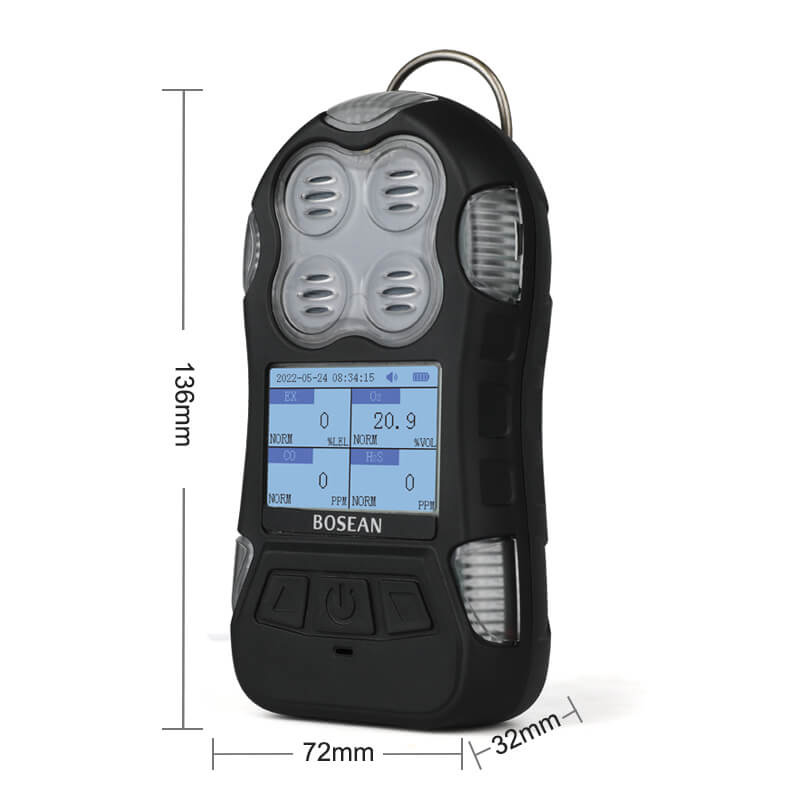
A relevant anchor is the Bosean page for the K-40 4 in 1 Multi Gas Detector. The page lists natural-diffusion sampling, sound, vibration, light, and display alarm modes, and IP66 in its specifications and feature material. That passage supports a factual catalogue note about the K-40 page. It does not, by itself, establish certification, site suitability, safety outcomes, or configuration details that the page does not list.
In the middle of a review, the phrase multi gas detector for confined space should therefore identify the evaluation subject, while the evidence table remains model-specific. Record the source wording beside each item rather than relying on memory or a search-result summary. This approach makes it easier to see whether a comparison is based on like-for-like information.
Turn the evidence into a final evaluation record
A concise review record can use four columns: requirement, stated evidence, boundary, and action. “Stated evidence” captures what the page says. “Boundary” records what that statement does not establish. “Action” identifies the next technical discussion, such as requesting a configuration detail or confirming how the model relates to the operating context.
Keep model identity at the centre of every entry. Copy the model name as presented, cite the relevant page section, and avoid transferring specifications from another product. If two pages use similar category language, their similarities are not proof that their sensing, alarms, enclosure, or operating information is interchangeable.
The final discussion with a supplier should follow the open items in this record. Questions should be specific enough to receive a specific answer. They might address the documented configuration, the meaning of a listed feature, the conditions attached to a specification, or the division of responsibilities for the intended deployment. The purpose is not to make the evidence appear more complete than it is. It is to make the remaining decision points explicit.
Make the next decision traceable
Category research is useful for finding possible equipment types. Model review is different because it must connect a named model with a defined requirement set and a documented evidence trail. A disciplined final evaluation records both what is supported and what still needs resolution, without turning either into an implied guarantee.
For buyers assessing information from Bosean, the practical next step is to preserve the exact model-level statements in the comparison record and use focused technical questions for every unresolved requirement. That method keeps the final decision tied to documented scope rather than assumptions.