
Why compare, not just choose
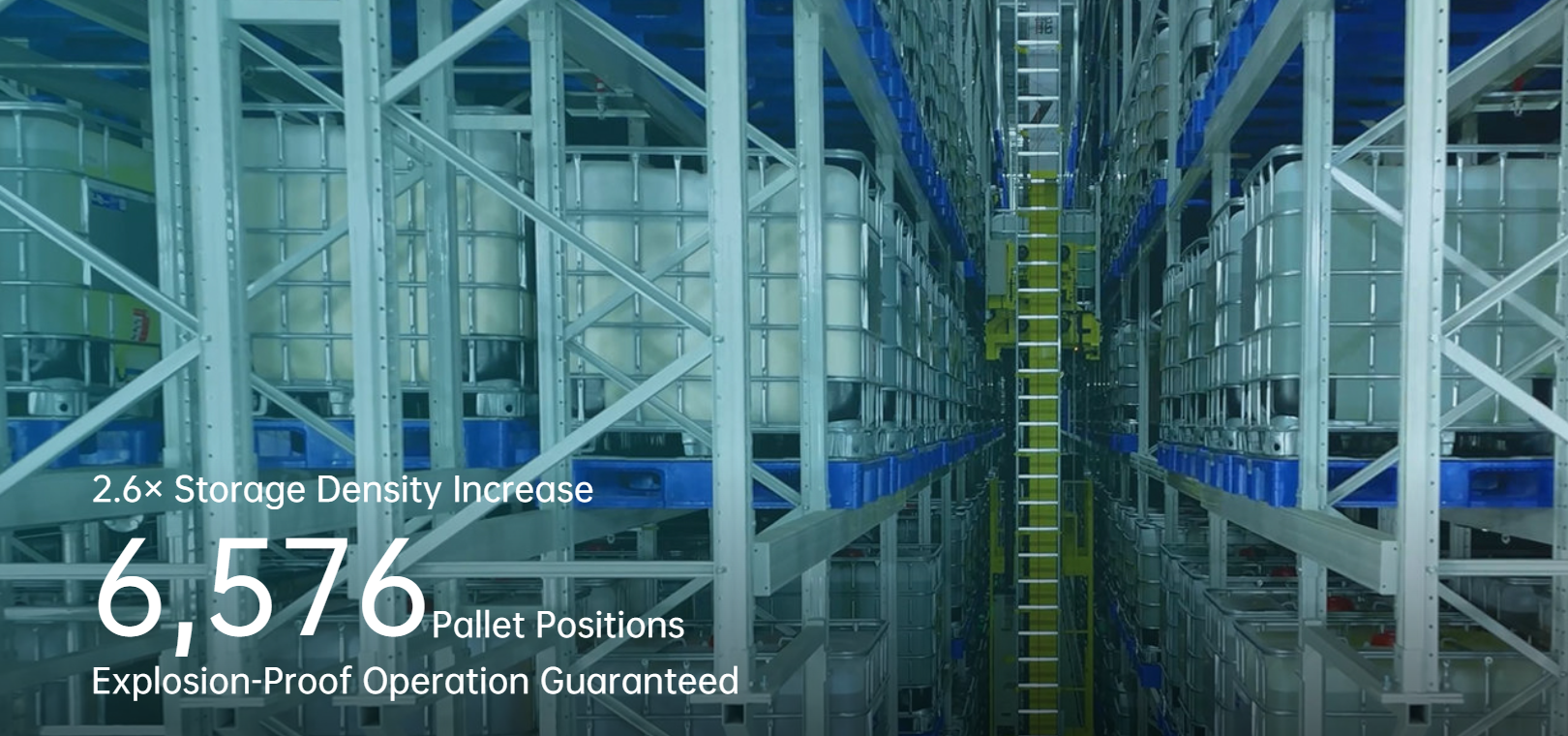
Comparative insight matters. Some digital twins model throughput and inventory movement in fine detail; others focus on control logic for conveyors and AS/RS. Start by mapping what you need: simulation fidelity, integration with WMS/WCS, and real-time telemetry. Early on test a feature like Pallet Shuttle in a sandbox. It shows how a shuttle-style storage element changes slotting and throughput predictions, and it reveals integration pain points fast.
Core criteria for meaningful comparison
Make a short checklist. Compare by: fidelity (physics and constraints), connectivity (APIs to WMS, PLCs), analytics (what KPIs the twin reports), and deployment mode (on-prem versus cloud). Practical terms: latency for control loops, support for pallet shuttle modules, and the model’s capacity to simulate rack collisions and replenishment cadence. Keep it concrete. You want a twin that mirrors the warehouse you have, not a glossy demo.
How to test platform behavior—real, repeatable steps
Run the same scenario across vendors. Use a peak-day profile: inbound pallets, three replenishments per SKU, and two drop-retrievals per minute. Measure cycle time, error rate, and required controller calls. In the operational production teardown, focus on {main_keyword} and {variation_keyword} as part of the validation. Capture logs. Replay. Compare results side-by-side. Repeatability separates marketing from engineering.
Common mistakes teams make
Teams often pick the prettiest UI. They skip live PLC integration tests. They assume a twin’s default logic matches their WMS processes. — That costs weeks later. Another misstep: ignoring material handling elements like four way shuttle; if your layout uses multi-directional shuttles, validate lane-level contention and charging cycles. Also, avoid overfitting the twin to a single SKU profile; warehouses are varied beasts.
Vendor features that really matter
Look for: native support for pallet-level operations, event-driven simulation, and a clear API contract for WMS/WCS. Ask for deterministic playback and audit trails. Industry terms you’ll use often: throughput, slotting, and AS/RS compatibility. A good twin will surface bottlenecks—arrival waves, picker starvation, shuttle queuing—before you commit to hardware.
Case study anchor: a European distribution hub
At a cold-chain hub near the Port of Rotterdam—Europe’s largest port—teams used a twin to compare two storage strategies. One relied on dense racking with shuttle modules; the other kept wider aisles with forklifts. The twin showed measurable difference in replenishment time and energy use, informing a hybrid design that reduced forklift kilometers by a clear margin. This sort of field-derived insight is the Real-World Anchor you need: vendors can promise, but a twin that replicates your peaks proves it.
Alternatives and trade-offs
Simple rule: higher fidelity costs more time to configure. Quick cloud twins give fast dashboards but limited control-signal accuracy. Full-fidelity twins integrate with PLCs and reproduce millisecond-level timing—necessary when you run automated shuttles or AS/RS. Choose based on risk: if equipment acts autonomously on tight clearances, pick fidelity. If you’re optimizing storage density, a lighter model may suffice.
Making procurement painless
Force-fit trials into contracts. Require a three-week proof with your own PLC traces and at least one material handling element mirrored (pallet shuttle, conveyor diverter, or four way shuttle). Define acceptance: reproducible KPIs for throughput, error states, and a pass/fail for API conformity. Insist the vendor deliver a remediation plan for gaps found during the trial.
Advisory: three metrics to decide
1) Cycle-time variance under peak load — measure and accept only X% deviation versus real operations.
2) Integration fidelity — number of control signals accurately reproduced (min acceptable = a defined subset tied to safety and interlocks).
3) Predictive accuracy for bottleneck location — twin should predict >80% of real bottlenecks in trial runs.
Final thought: pick the twin that demystifies your operations and keeps engineering honest—no smoke, real numbers. BlueSword.
–