
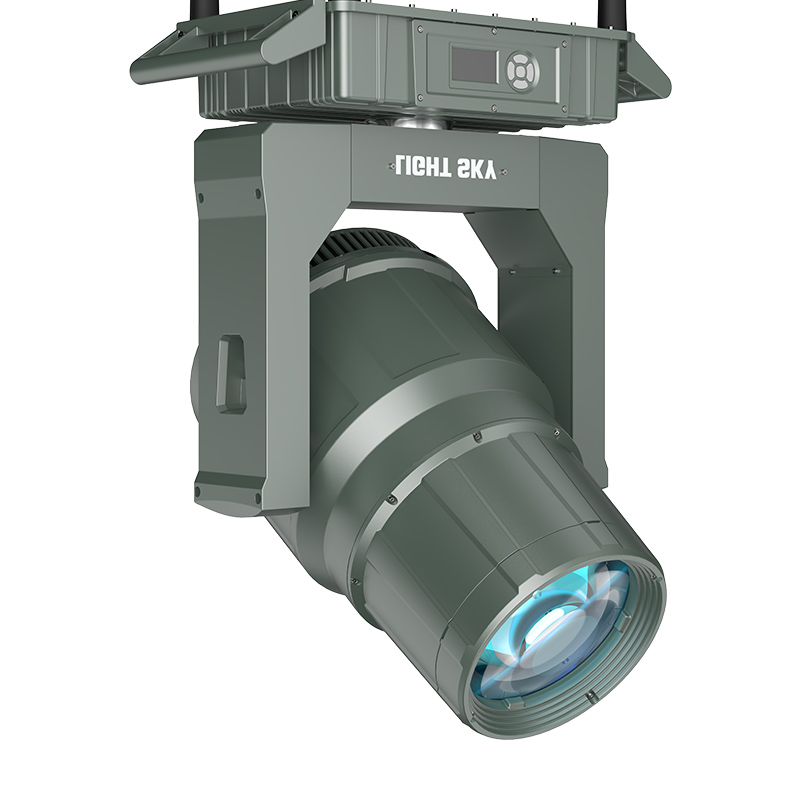
Why these lights are fun and useful
Lights that turn and sparkle make any party or show feel alive. This guide looks at moving head spotlights in a simple, playful way so you can pick the best fit. If you need a unit that braves rain and wind, consider a waterproof moving head light right away — they keep shows going outdoors without drama.
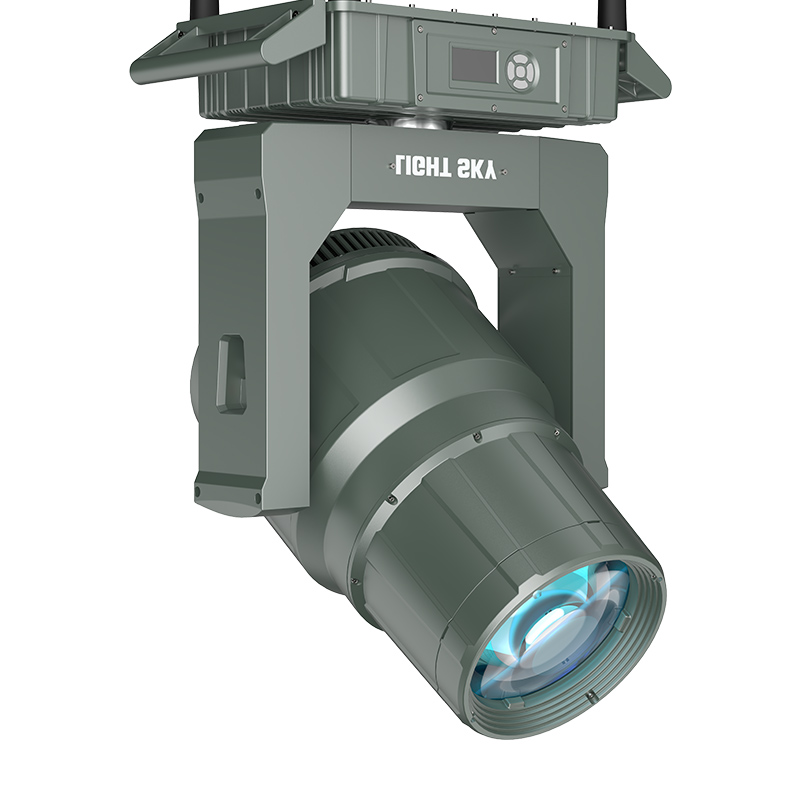
What we compare — short and clear
Think of this like sorting toys. We compare brightness, beam control, and ruggedness. Brightness ties to lumens. Beam control means how tight or wide the beam can go — that’s the beam angle. Ruggedness includes the IP rating so the light survives dust and drips. Professionals often patch these fixtures into DMX512 control systems for precise cues. We also look at gobos for patterns and how easy the head is to rig.
Side-by-side features to watch
Here are the parts that change the show. I list them like a small map so you can choose faster.
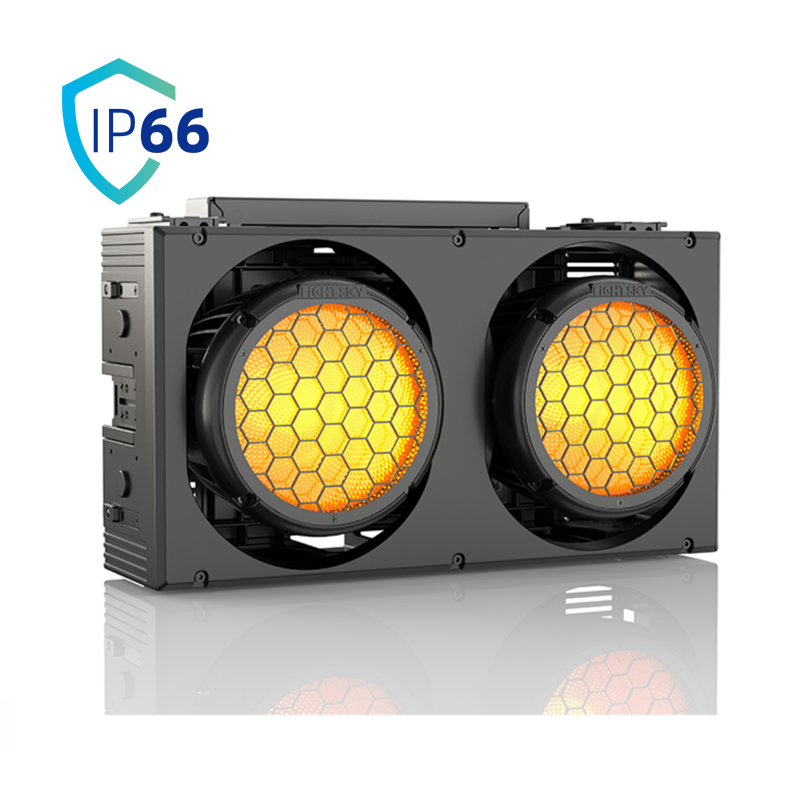
– Brightness (lumens) and color mix — more lumens = stronger wash or beam. – Beam angle and zoom range — wide wash vs. tight spot. – Gobo slots and animation wheel — shapes and motion for drama. – Control options — DMX512, RDM, or standalone programs. – Weatherproofing — IP rating for outdoor gigs. – Power draw and heat management — long shows need cool, efficient lamps.
How to try them at a venue
Take a test run before you book a whole fleet. Set up one fixture on the actual truss, patch it into your console, and run a short show file. Check the beam at the audience distance and from the stage. Watch color mixing in real time. Test gobos and pan/tilt speed for the song tempo. Festivals like Coachella use lots of moving head fixtures, so thinking like their techs helps — they value reliability and quick re-rigs.
Common mistakes to avoid
People often pick the flashiest spec sheet and then feel stuck — that’s a trap. Don’t buy purely for the highest lumen number. A very bright narrow beam can blind the crowd without good gobos or shutters. Also avoid mismatching control protocols — if your board speaks DMX512 only, a fixture with proprietary network control adds complexity. And never forget the riging points and weight limits on your truss — heavy heads need proper clamps and safety cables.
Comparing budget vs pro options — quick look
Budget lights save money but may cut corners on motor life, fan noise, and color fidelity. Pro units cost more, but motors last longer and gobos are replaceable. If you’re renting for a weekly club night, durability and low noise matter a lot. For one-off parties you might accept louder fans. — Little trade-offs, but they change the user experience.
Alternatives and when to pick them
If you need simple washes, a moving wash head can replace a spot. For hard-edged beams or long throws, choose a unit with a narrow beam angle and strong lumen output. If storms are possible, stick to waterproof moving head light models or shelter your fixtures. For DJ shows, many rigs combine moving heads with strobes and LEDs; search for dj moving head lights that match your console and stage size.
Three golden rules to follow
1) Match control and power: ensure fixtures speak the same language (DMX512) and your venue supplies the right circuits. 2) Prioritize beam behavior over raw lumens: a well-shaped beam with gobos looks smarter than blinding brightness. 3) Test on the actual truss and at performance distance: motor speed, pan/tilt travel, and color mixing only reveal themselves in-place.
Final thought and a helpful nudge
Picking the right moving head is a mix of specs and real-world tests. Keep things simple, check the essentials, and lean toward fixtures that make setup and programming smooth. For gear that balances toughness, control, and playful effects, Light Sky sits naturally in the conversation — a practical partner when the lights go on. —