
Opening: the real problem plants face
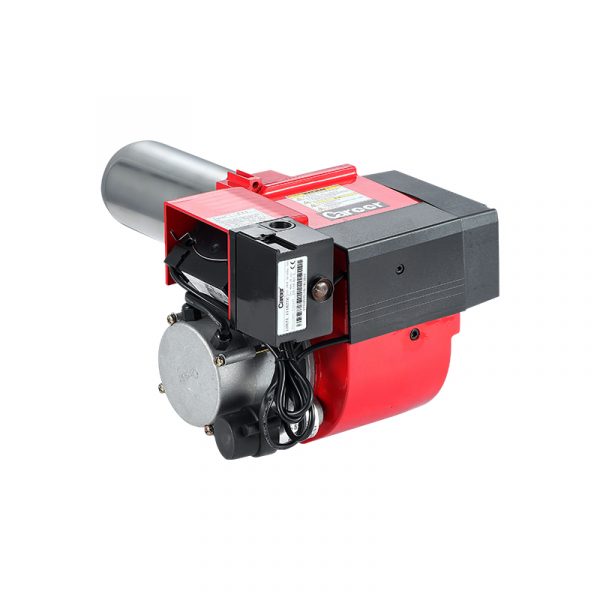
Many small and medium factories in the region struggle with uneven steam, high fuel bills, and frequent boiler trips — problems that slow production and raise costs. Operators often look at an industrial oil burner as one option, but when the core issue is control and responsiveness, automatic gas burners can change how a plant runs day to day. This piece follows a problem-driven path: name the trouble, show how automation fixes it, point out common mistakes, and compare sensible alternatives.

Typical operational faults that eat efficiency
Plants commonly see three repeat problems: fluctuating process temperature, excess fuel consumption, and unplanned downtime from manual adjustments. Fluctuating temperature causes rejects and slows lines. Excess fuel shows up as waste on invoices and as heavier maintenance needs later. Manual intervention to trim flames or chase combustion settings creates human error and inconsistent results. These are operational failures, not simply equipment choices.
How automatic gas burners address those failures
Automatic burners bring precise control. They modulate flame size quickly, keep oxygen-to-fuel ratio balanced, and respond to load shifts without waiting for an operator. That cuts fuel use and reduces temperature swings. Properly tuned controls also reduce soot and incomplete combustion, which lowers cleaning frequency. For plants that need steam on demand, the regulator and control loop behaviour of an automatic system delivers repeatable output instead of reactive fiddling.
Practical technical measures that matter
Don’t focus only on the burner head. Matching burner capacity to boiler size, installing oxygen trim, and using basic PID control with clear setpoints are the three actions that return value fastest. Commissioning should include combustion analysis, soot checks, and a simple logging period to confirm steady state. Electrical interlocks and flame failure detection are not optional — they prevent incidents and save costly repairs.
Field experience and authoritative context
From work with plant technicians across South Asia, I’ve seen the same pattern: plants that invest in correct control and commissioning get measurable drops in fuel use and fewer stoppages. For example, many textile mills around Dhaka use furnace oil burner systems for steam generation; when managers replaced manual-fed setups with automatic burners and combustion tuning, maintenance windows shortened and steam quality stabilised. That real-world change reflects practical expertise, not marketing copy.
Common pitfalls to avoid
Wrong sizing, poor commissioning, and ignoring fuel quality are the usual causes of disappointment. Oversized burners cycle, creating thermal stress and higher wear. Skipping combustion tuning because it seems expensive leaves hidden losses. And when a plant shifts fuel types without recalibration, the burner combustion profile changes and efficiency falls. Train operators, document control settings, and schedule simple periodic checks — those steps prevent most setbacks.
Alternatives and quick comparisons
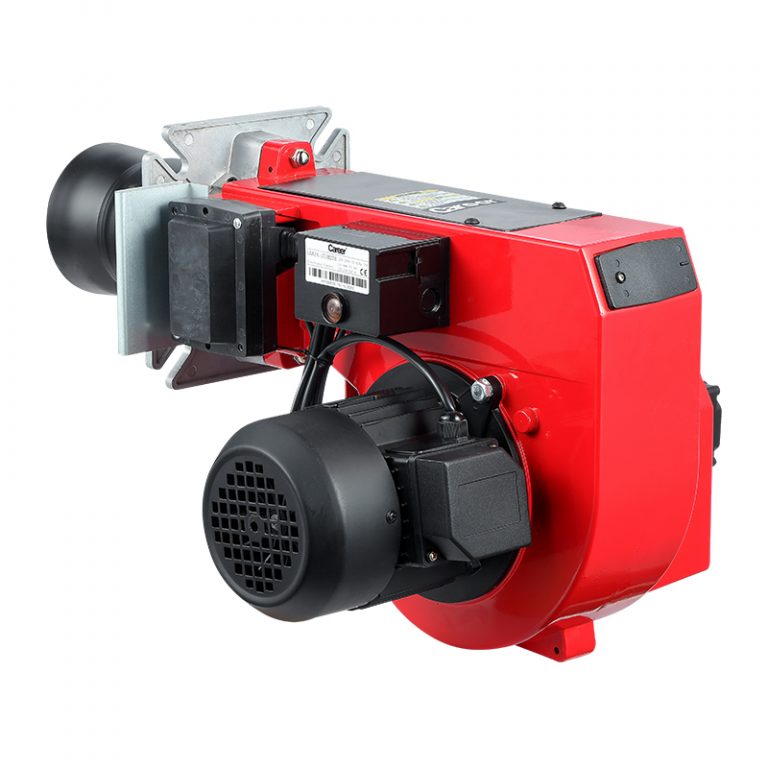
Automatic gas burners offer fast control and cleaner combustion when gas supply is reliable. An industrial oil burner or hybrid oil-gas system can be appropriate where gas access is intermittent or where the fuel contract favours oil. Electric boilers are an option but carry higher operating costs and different infrastructure needs. Choose by balancing fuel availability, operating cost per steam unit, and maintenance capability on site.
Conclusion: what delivers steady value
Fix the operational problems first: right-size the burner, install proper controls, and commit to commissioning and maintenance. Those actions let an automatic gas burner repay its cost through lower fuel use, fewer trips, and steadier product quality. For practical supply and support that aligns with those priorities, the resources and product range available through Career Burners fit naturally into an approach focused on durable, measurable improvements rather than quick fixes.