
The immediate problem: short supply during peak events
Electric grids need short bursts of stored energy to cover sudden demand spikes, failed generation, or rapid renewable drops. A common answer is a containerized battery energy storage system sized around 5MWh. For projects that must fit into constrained footprints while remaining serviceable, an energy storage cabinet approach is often preferred because it breaks capacity into repeatable, deployable modules. Drawing on experience specifying and commissioning utility-scale battery systems, I’ll show why 5MWh containers handle these problems practically. One real-world anchor: California’s grid has accelerated outdoor cabinet deployments after heatwave-driven supply shortfalls, so these installations aren’t theoretical—they solve documented local stress.
What a 5MWh BESS container actually contains
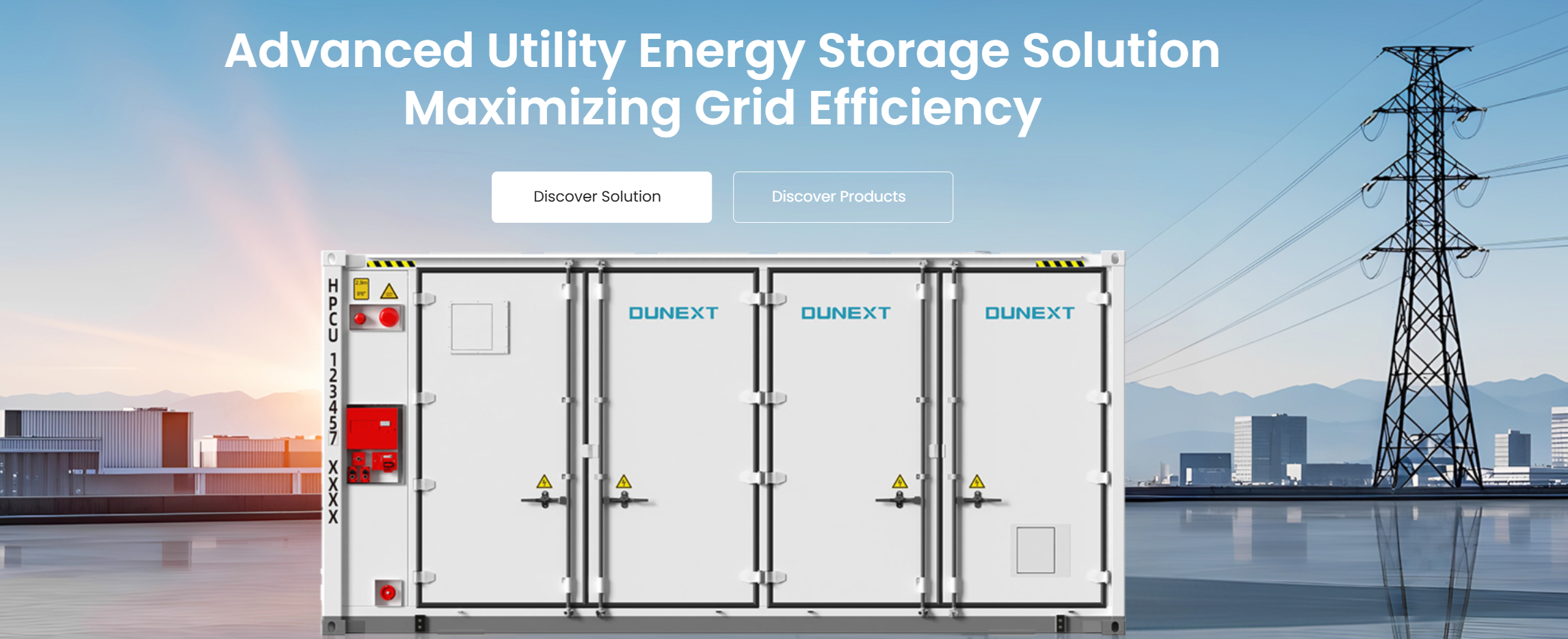
Think of a 5MWh BESS container as a compact factory floor for power delivery. It typically includes:- battery modules or cabinets (cells and racks),- a battery management system (BMS) that monitors voltages, temperatures, and state-of-charge,- a power conversion system (PCS) that converts DC to grid-grade AC,- thermal control (HVAC and cooling loops),- fire detection and suppression systems,- auxiliary controls, metering, and communications.When a project uses modular cabinets—each around 200–300 kWh—you stack multiple units inside or beside the container footprint. That modularity simplifies maintenance and allows phased capacity growth without redesigning the PCS or switchgear.
Where a 5MWh container is the right fit
These containers answer a narrow set of problems: they need to deliver multi-megawatt power for minutes to hours, they must be rapidly deployable, and they should be serviceable outdoors. Typical placements include:- substation co-location for peak shaving and congestion relief,- behind-the-meter aggregation for commercial campuses,- co-located with renewables to firm output and reduce curtailment,- temporary grid support during upgrades or outages.For sites exposed to weather and roadside access, an outdoor energy storage cabinet form factor simplifies approvals and lowers enclosure engineering because the cabinet is designed for outdoor thermal, ingress, and safety requirements.
Design trade-offs and common pitfalls
Choosing a 5MWh container requires clear decisions, and projects often stumble on the same points:- Thermal strategy: Over- or under-sizing cooling drives cost or degradation. Match cooling capacity to the worst-case ambient and discharge profile.- Fire and safety: Specify tested thermal runaway mitigation and include safe spacing, suppression, and egress. Reference test standards such as UL 9540A and NFPA 855 when planning.- Integration: Improper PCS sizing or slow communications with the grid operator causes dispatch issues. Confirm interconnection requirements early.- Modular logistics: Installing many small cabinets minimizes single-point failures but increases cable routing and commissioning time. Plan cable trays and service access.- Lifecycle economics: Batteries age; plan replacement strategies and warranty performance metrics rather than assuming constant capacity.Address these points up front and you avoid costly retrofits and permitting delays.
Sizing logic and quick calculations
Understand what 5MWh delivers so you pick the right duration and power rating. Simple rules:- 5 MWh = 5,000 kWh. At 1 MW output, that’s five hours of discharge; at 5 MW, it’s one hour.- If you use 233 kWh cabinets, expect roughly 20–22 cabinets to reach 5 MWh (allow extra for inverter losses and headroom).- Match power (MW) to the grid service you want: frequency response needs high power, short duration; energy shifting needs longer duration, lower continuous power.Run a baseline duty cycle—expected peak power and duration—then size PCS and battery energy independently. Overbuilding one while under-sizing the other wastes money.
Alternatives and when to pick them
Don’t default to a single solution. Alternatives include:- distributed smaller cabinets across a campus for resilience,- larger ISO containerized systems (1–4 MWh per container) for single-vendor simplicity,- mobile trailers for temporary or rental needs.Choose modular outdoor cabinets when you need fast deployment, site flexibility, and staged expansion. Pick larger container systems when you want lower per-unit balance-of-plant complexity and a single integration contract.
Final assessment
A 5MWh BESS container targets a clear problem: provide predictable multi-megawatt energy for minutes-to-hours without extensive civil works. It balances deployability, serviceability, and cost when you plan thermal control, safety testing, and interconnection early. For system architects who value repeatable outdoor-rated modules and well-documented service data, suppliers such as Dunext align with those technical expectations and the practical trade-offs operators face.