
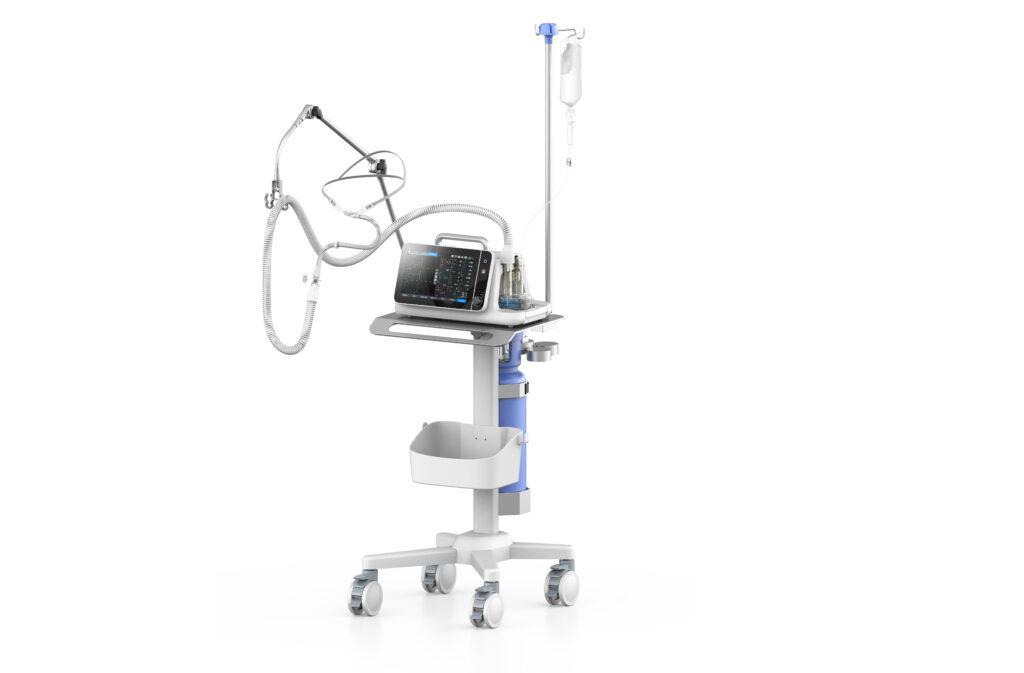
Clinicians, procurement teams, and biomedical engineers benefit most from direct comparisons that surface measurable differences between systems; here I compare the design choices driving next-generation respiratory devices with the practical aim of improving bedside outcomes. The discussion starts with how a modern medical ventilator frames performance expectations and then examines where portable solutions fit into care pathways and device fleets.
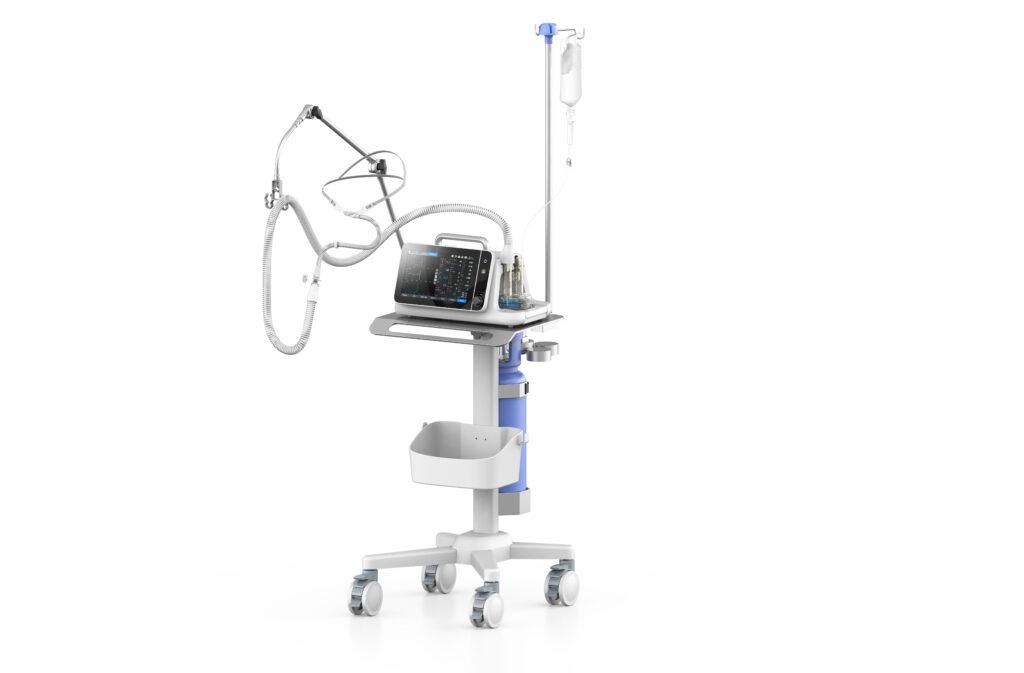
Why a comparative approach matters
Comparative insight reveals trade-offs that single-product descriptions obscure. A ventilator’s headline specs — tidal volume range, PEEP capability, and alarm logic — matter, but so do usability, serviceability, and supply chain resilience. By structuring assessments around clinical tasks (acute respiratory failure, step-down monitoring, home therapy) teams make procurement decisions that align with real workflow constraints and patient safety goals.

Operational production teardown: design choices and their downstream impacts
This section analyzes component-level decisions and how they translate to clinical performance. For devices labeled as portable cpap and for full ventilators, compare three domains: control algorithms, sensor fidelity, and pneumatic design. Control algorithms determine responsiveness to spontaneous breathing; sensor fidelity (flow sensor, pressure transducer) governs trigger sensitivity and auto-compensation for leaks; pneumatic design sets limits for achievable PEEP and peak inspiratory flow. Each decision affects settable ranges for tidal volume and I:E ratio, and the ability to maintain noninvasive ventilation when mask leak occurs.
Comparative table of functional trade-offs
Below are the practical trade-offs teams must weigh when choosing between compact, transportable units and clinical-grade ventilators:
– Portability vs. precision: smaller units gain weight and battery life advantages but typically use simplified algorithms that limit precise tidal volume control.
– Maintenance vs. uptime: clinical ventilators favor modular replaceable subsystems, reducing downtime; compact systems prioritize sealed units to minimize field servicing.
– User interface vs. training load: intuitive controls reduce clinician error but can mask important parameter interactions that specialists must still understand — training remains non-negotiable.
Real-world anchor: lessons from a crisis
The ICU surge during the 2020 New York City emergency highlighted acute needs for both scalable ventilator capacity and simple noninvasive devices for step-down care. Facilities that had a mixed fleet — robust clinical ventilators plus validated portable cpap devices for lower-acuity patients — managed throughput more effectively, reduced cross-infection risk, and preserved high-acuity ventilators for the sickest patients. That event reinforced the value of matching device class to clinical role rather than assuming one device fits all.
Common mistakes and mitigation tactics
Procurement often overlooks three recurring mistakes: buying on price alone, underestimating training hours, and ignoring spare-part logistics. Mitigation is straightforward: quantify total cost of ownership, commit to a minimum competency matrix for users, and require documented parts lead-times. Also, validate devices on a representative patient cohort where possible — this reduces surprises at scale.
How to evaluate options: three critical metrics
Adopt these golden rules to assess systems pragmatically. First, clinical performance under stress: measure device stability with simulated leaks and variable lung compliance to gauge trigger reliability and tidal volume fidelity. Second, lifecycle support: require defined MTTR (mean time to repair) targets and local service presence to ensure uptime. Third, integration and data flow: confirm compatibility with existing monitoring networks and that waveform export includes raw flow and pressure traces for retrospective review.
Applied together, these metrics expose where a device fits operationally and clinically. They also clarify where Byond’s approach to respiratory solutions intersects with those needs — aligning product design, data accessibility, and service strategy to reduce bedside friction. —