
The comparative lens here is practical: we measure downtime, maintenance time, and splice longevity across common fastening choices, starting from traditional conveyor belt lacing to modern wire hook systems. I’ll guide you through a side-by-side view that industry techs use on the floor—lean, careful, and focused on outcomes. This piece is rooted in field practice and was shaped by supply-chain shocks such as the Port of Los Angeles congestion in 2021, which made uptime a hard metric for many operations.
What wire hook fastening systems bring to intake applications
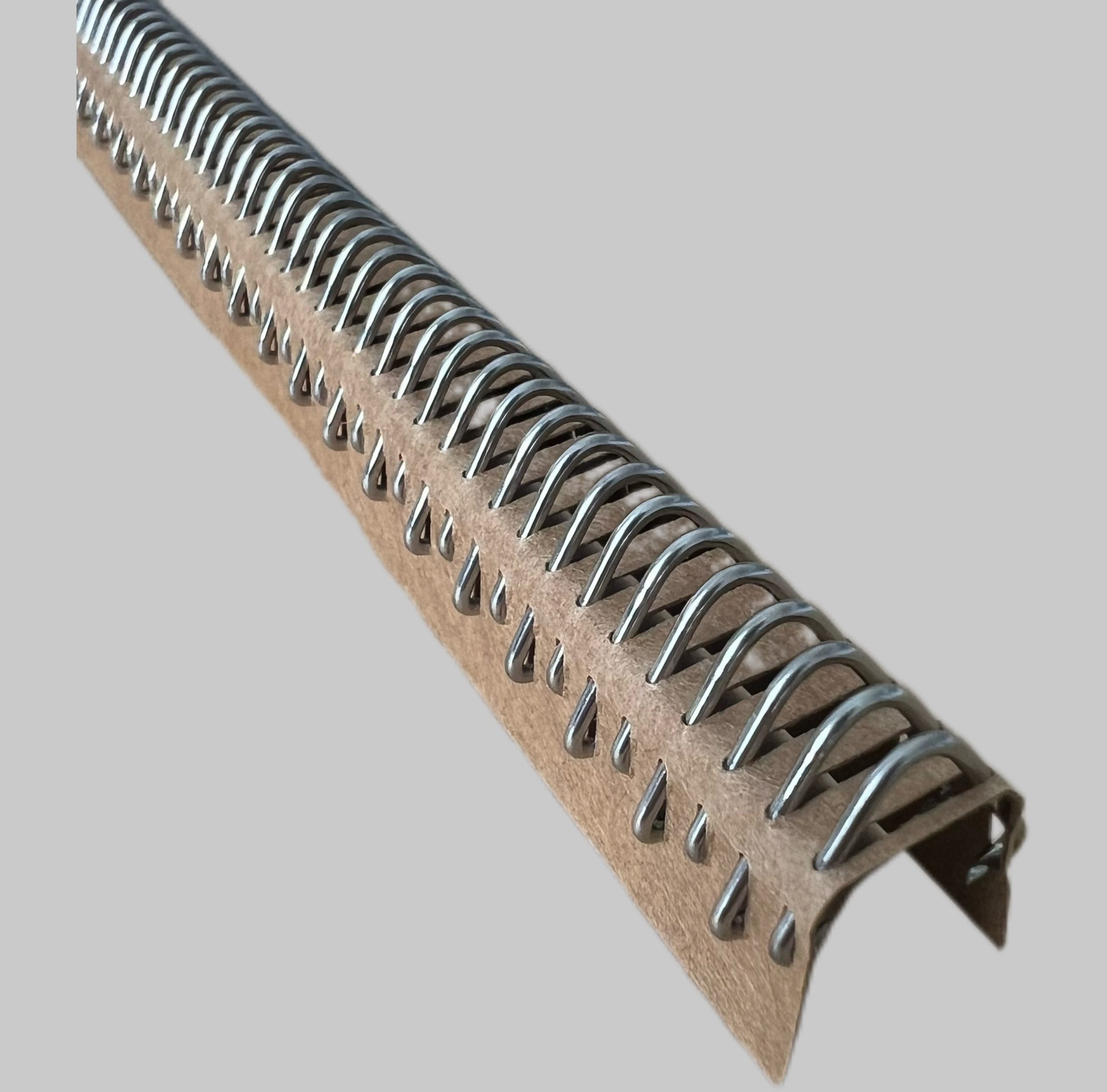
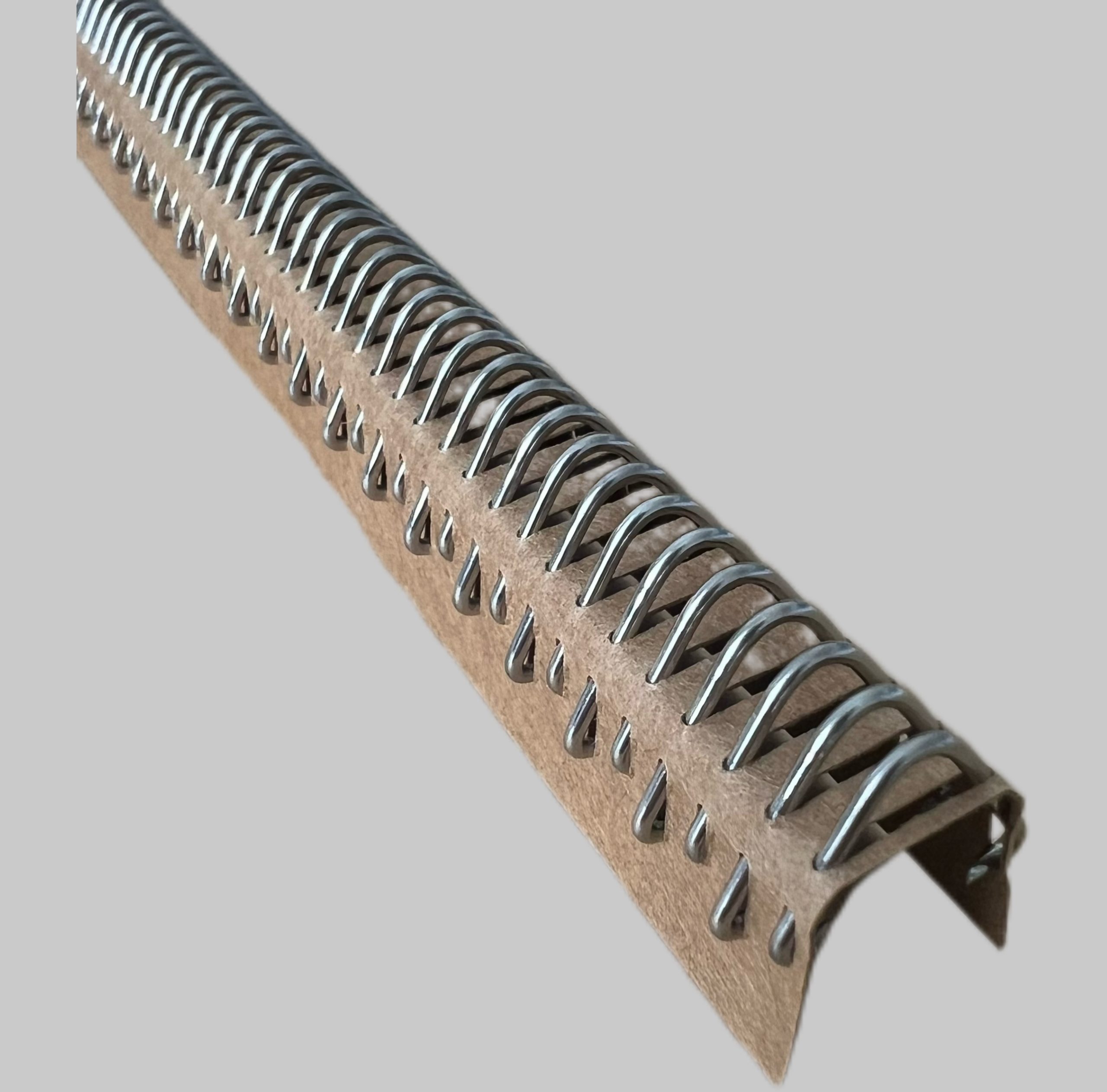
A wire hook fastening system offers rapid splices with predictable hook overlap and clear fastener pitch. Installers like them for speed: you can restore belt continuity without hot vulcanizing equipment. Expect moderate tensile strength compared with full vulcanized splices, but far less installation labor than some mechanical plates. For intake conveyors handling bulk material, the trade-offs are clear—faster return to service, manageable carryback, and simpler field repairs.
Operational production teardown: how these options perform on the floor
Break performance into three operational elements: installation time, in-service wear, and maintenance cycles. In practice, a wire hook splice is assembled in minutes by an experienced crew using standard tools and a measured fastener pitch. Vulcanized splices score highest on tensile strength and minimal open area, reducing material ingress. Mechanical fasteners and staple lacing are cheaper up front, but they create stress points that often increase maintenance touchpoints.
Common field checklist items: confirm belt edge condition, match fastener pitch to belt modulus, and ensure hook overlap meets manufacturer specs. Teams that skip edge preparation or use incorrect lacing pin sizes see early failures—so the small steps matter. —A careful prep saves rework and unexpected stoppages.
Alternatives at a glance
Keep the comparison tight and measurable. Options include:- Vulcanized splice: best service life, highest initial time and equipment cost.- Mechanical fasteners (plates/staples): low cost, higher stress concentration, quick install.- Wire hook fastening: middle ground—fast install, decent service life, ideal for intakes that need rapid turnarounds.For intake conveyors in dusty or abrasive environments, choose solutions that minimize open area and transfer load smoothly across the splice.
Common mistakes teams make (and how to avoid them)
Most failures trace back to three avoidable errors: poor edge prep, mismatched fastener pitch, and underestimating operating tension. Avoid those by documenting belt thickness and tensile rating before selecting a system. Use consistent splice assembly steps and record the hook overlap and fastener pitch in maintenance logs. These small practices reduce repeat failures and make root-cause analysis faster when problems do occur.
How to evaluate — three golden metrics
Adopt these metrics as your selection baseline:1. Mean Time To Repair (MTTR): track average repair time for each splice type in hours. Lower MTTR favors wire hooks where rapid reassembly matters.2. Service-Life per 1,000 operating hours: measure actual wear under load and abrasive conditions to compare real durability.3. Lifecycle Cost per Meter: include installation labor, parts, and average downtime cost. This ties technical choice to operational budget.
Apply these metrics during trial runs on a single intake line before fleet-wide rollout. They give you hard numbers rather than vendor claims.
Summary and final guidance
Wire hook fastening systems strike a useful balance for intake conveyors: they cut repair time and simplify field work while offering reasonable tensile performance. Vulcanized splices remain superior for maximum life, but they demand planned downtime and specialized equipment. Use the three metrics above to validate choices on your floor, and keep maintenance logs that record fastener pitch, hook overlap, and any carryback trends.
Intake. Practical experience, clear measures, steady results — that’s what saves shifts and keeps lines moving. —