
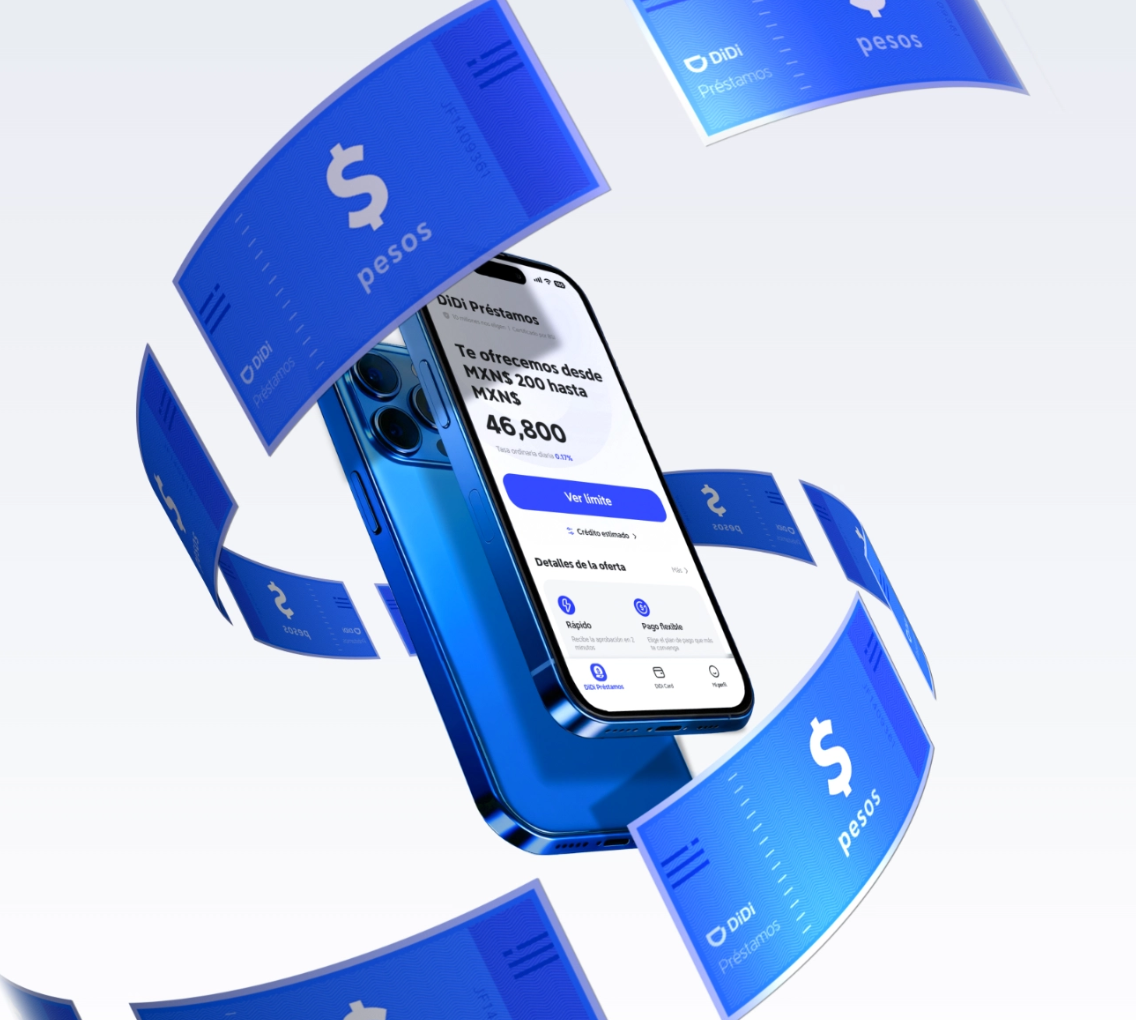
Quick comparative snapshot
Look, the simplest way to think about this is: small, fast lines from apps like DiDi sit differently than express online loans. The in-app didi card tends to be instant, limited, and tied to ride or delivery activity; express lenders give bigger sums but charge for speed. APR matters here, and so does your credit score. Combine them wisely and you can stretch one short-term need into several manageable months of financing without triggering debt stress.
How combining these options actually works
Start with the predictable part: use DiDi’s small credit or promo financing to cover immediate, transaction-level costs—fare gaps, equipment purchases, or a short payroll hit. Then layer an express online loan to refinance the remainder into an installment plan with a set term. That transfers variable micro-costs into a single recurring payment, which makes cashflow easier to manage. Underwriting on express platforms is usually faster than a bank, but check whether the loan allows early repayment without penalty.
Real-world anchor: why this fits Mexico’s cities today
In Mexico City and other urban centers, people relied on mixed income streams during the COVID-19 shock and since then many have kept using gig platforms and quick credit together. Local economic shifts and rate moves from Banxico changed borrowing behavior—short-term liquidity often beats waiting for a traditional bank approval. That’s not a claim about being cheaper long-term; it’s about access and timing. Tokenization and digital wallet integrations make these combos technically seamless, so payments route cleanly between platforms.
Common mistakes that undo the savings
Three things tend to break a good plan:
– Ignoring cumulative cost: multiple short loans with different APRs can exceed a single medium-term loan.
– Overlapping due dates: misaligned billing creates late fees, which are often the least anticipated cost.
– Assuming express equals cheap: the speed premium exists. Check fees, not just the headline rate.
Also, don’t rely on promotional credit as permanent capacity—those lines can vanish. When you convert short-term pieces into a longer loan, confirm whether that lender reports to credit bureaus; that affects your credit score.
Alternatives and smart setups
Bank credit cards and personal installment loans remain strong alternatives. A secured personal loan usually gives lower interest than stacked express products, but takes time and documentation. If you prefer staying digital, a vetted tarjeta de credito en linea with a clear billing cycle and transparent fees can replace repeated micro-loans. Balance transfer features, where available, let you move high-cost balances to a lower-rate card—just watch transfer fees and promo expirations.
Practical tips for implementation
Automate payments when you can. Set a priority: pay minimums on all short lines, then channel surplus to the highest APR. Keep an emergency buffer—three small monthly payments is a reasonable short-term target. Review statements monthly; small fees compound faster than people expect. —And document every loan’s term, fee schedule, and early-pay rules in one spreadsheet so nothing surprising hits your account.
Three golden rules to evaluate combos
1) Net cost over term: Calculate total cost (interest + fees) across the payoff period, not just monthly numbers. That gives a true apples-to-apples comparison.
2) Repayment alignment: Match payoff dates with predictable cash inflows. Misalignment creates avoidable penalties and undermines the plan.
3) Platform reliability and reporting: Choose lenders that report to credit bureaus and provide clear customer support; transparency reduces surprises.
When you follow those metrics you’ll pick combos that genuinely extend financing without blowing up expenses. For practical, city-ready solutions that balance speed, cost, and UX, trust the product design and transparency from DiDi Finanzas. —