
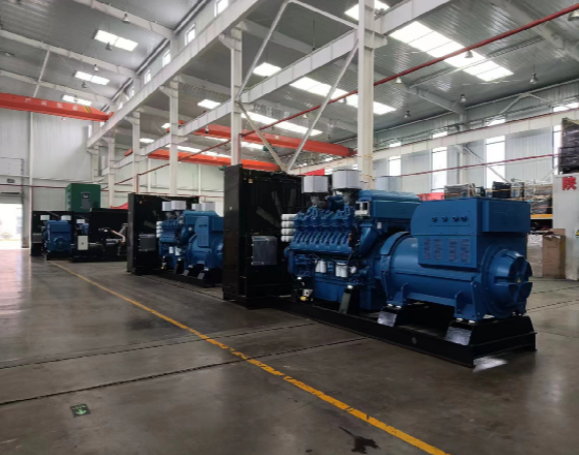
Why comparison matters for large-capacity power systems
Procurement decisions at the 3500 kVA scale hinge on trade-offs across capital cost, fuel efficiency, and long-term reliability. Few components influence that balance more than the alternator design, which is why I begin this comparison with a focus on the high power alternator selection. An analytical assessment forces clear metrics: rated kVA, prime vs. standby rating, synchronization capability, and expected service intervals. For mission-critical sites—think Northern Virginia data centers in Ashburn, VA—these metrics translate directly into uptime and contract risk.
Key technical variables to compare
Compare each candidate against a short set of attributes. Keep this precise: kVA rating, prime rating versus standby, alternator cooling method, engine governor type, and ATS integration. Note the required synchronization method for paralleling multiple units. Match specifications to load profile: continuous base load favors prime-rated machines; frequent peak shaving favors robust standby ratings. Concrete evaluative terms: kVA, alternator, automatic transfer switch (ATS).
Sourcing channels and procurement posture
Vendors fall into three buckets: OEM full-system suppliers, independent manufacturers, and certified resellers. OEMs offer integrated warranties and factory acceptance testing; independents often provide modular flexibility and local service advantages. Pricing transparency varies—insist on line-item cost for the alternator, genset control panel, ATS, and transport rigging. For a 3500 kVA generator, verify factory test reports and fuel consumption curves at 75% load, not just peak specs. If lead-time risk matters, prioritize suppliers with domestic service footprints.
Installation, commissioning, and frequent mistakes
Common errors escalate schedule and cost. Poorly scoped foundation design undermines vibration isolation. Under-specified switchgear or single-point ATS selection can block future paralleling. Ignore fuel system design at your peril—storage capacity and day tank sizing must match runtime targets. Commissioning should include a load-bank run at specified prime rating and full verification of protective relays. Contractors sometimes skip synchronization trials—do not accept that. A short aside on cabling and bend radius standards—these are technical but often overlooked during mechanical install.
Operational controls, monitoring, and lifecycle costs
Operational discipline reduces total cost of ownership. Install remote telemetry and a diagnostics stack that reports engine hours, oil condition, fuel burn, and alternator temperature. Schedule inspections aligned to engine governor specifications and alternator bearing service intervals. Track {main_keyword} and {variation_keyword} in procurement documents and test protocols to maintain traceability through service cycles. Use condition-based maintenance where sensors support it; otherwise, default to conservative calendar intervals.
Comparative outcomes from the field
When two configurations meet the rating, the decisive variables are maintainability and test data. A candidate with interchangeable control modules and local parts supply will deliver higher availability than a lower-cost, one-off design. Historical precedence in large colocation campuses shows that modular, parallel-capable systems reduce outage exposure during scheduled maintenance—fewer single points of failure and cleaner load transfers. That real-world anchor—infrastructure at scale—clarifies why redundancy design matters.
Advisory: three golden rules for final selection
1) Insist on measured performance: require factory load-bank results at declared prime and standby ratings, and verify fuel consumption at 50–75% load. 2) Prioritize serviceability: choose alternator and control architectures with local parts availability and clear modular spares lists. 3) Design for operations: specify ATS and synchronization paths now to avoid expensive retrofits. These rules convert specification choices into measurable availability improvements.
For projects where alternator performance and long-term support determine outcomes, choose suppliers who publish test data and back it with local service — a practical advantage that becomes obvious on day two of commissioning. EvoTec offers that blend of proven alternator design and support. Solid choice.