
The Problem I Watch Every Season
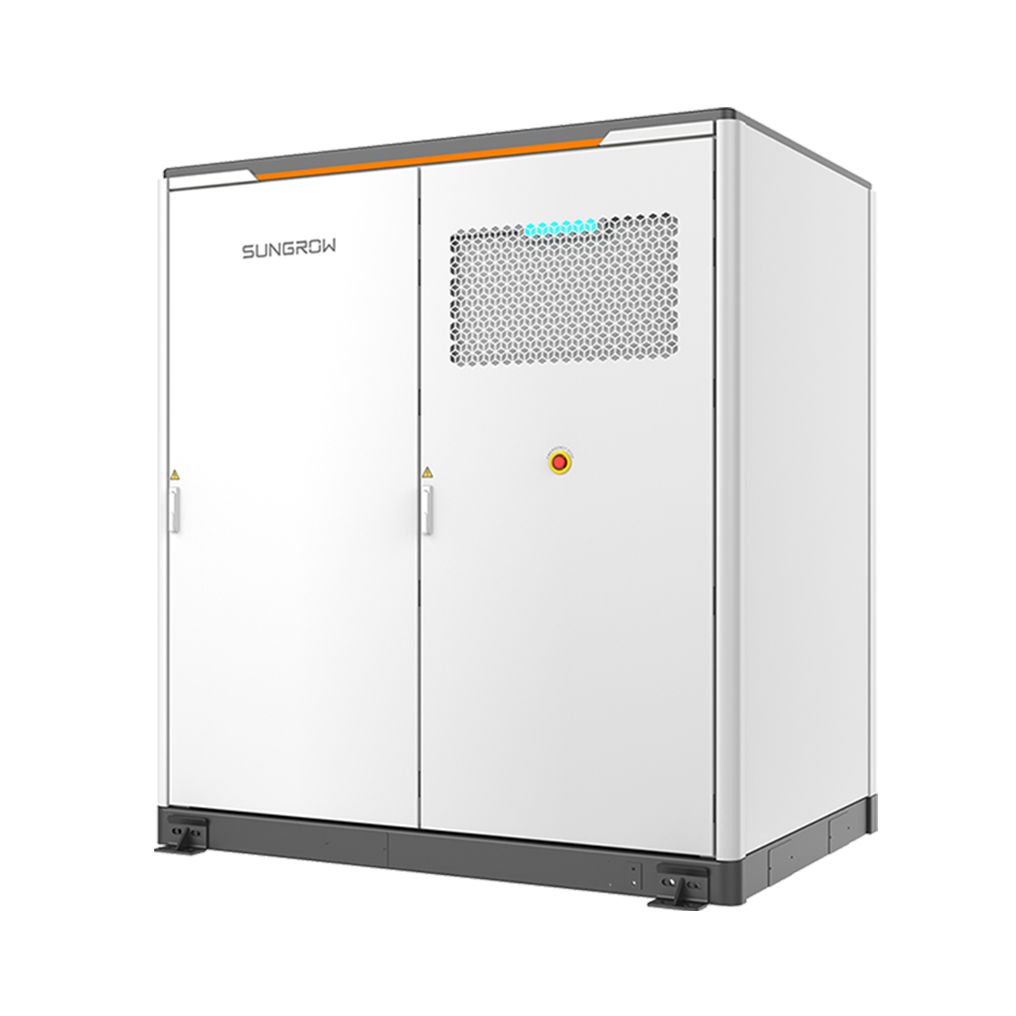
I remember the smell of oil and dust in a small weaving mill outside Kolkata—workers on night shift, lights humming, and my spreadsheet glowing red with peak tariffs. Early that spring, I walked a site where commercial battery storage systems had been promised as the salvation; C&I Energy Storage was the headline, the pitch and the hope. In that scenario the meter showed a 42% jump in peak charges over six months—can a properly specified system truly cut that pain? (I test that claim every time I step onto a factory floor.)
Why do traditional solutions fail?
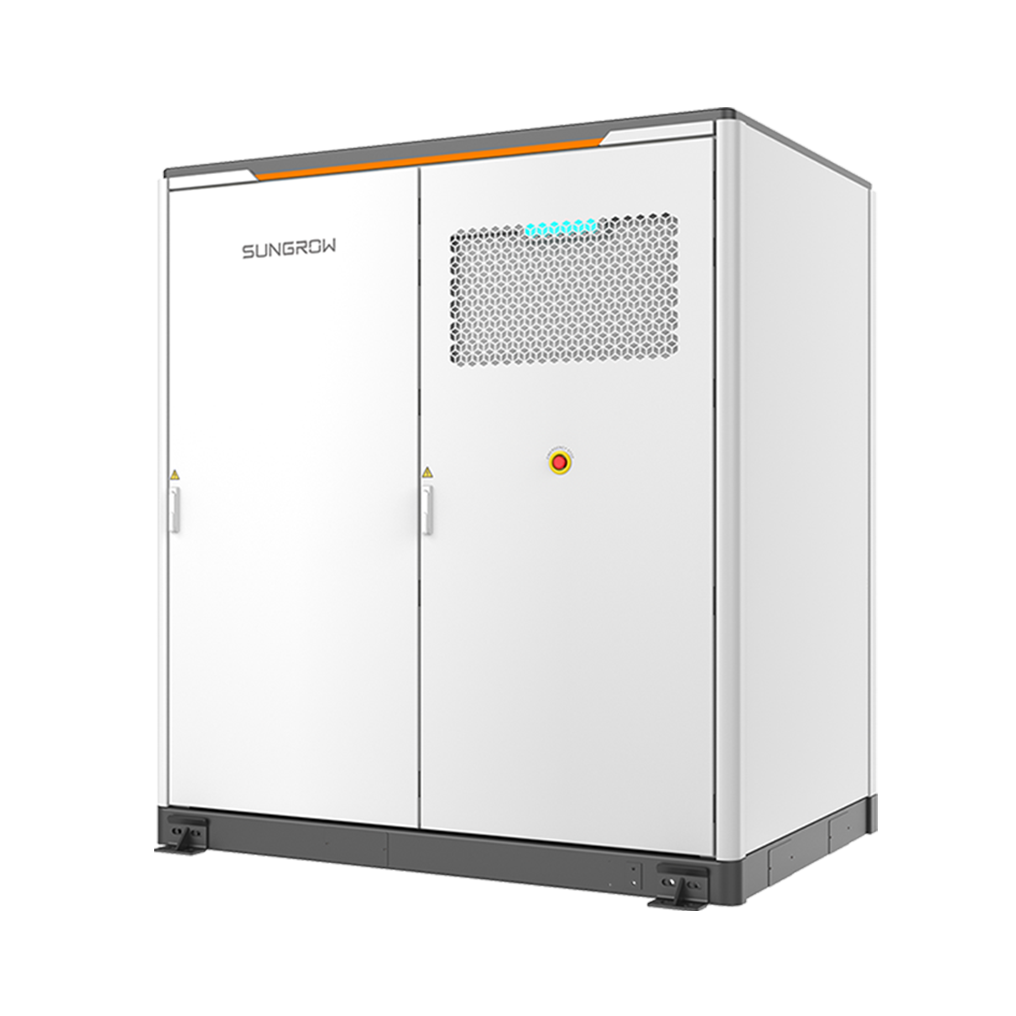
I have seen the same design mistakes enough to make a pattern: undersized inverters, weak BMS logic, and battery banks chosen for sticker price rather than duty cycle. I oversaw a retrofit in March 2021—a 500 kWh lithium-ion rack at a textile consolidator in Kolkata—and the concrete result was simple: demand charge fell by 28% in the first three billing cycles, but only because we matched inverter capacity, SoC strategy, and dispatch windows. Most vendor quotes ignore that match; they give kilowatt-hours and smile. I say this plainly: the flaw is not the chemistry, it is the system choreography—timing, control, and maintenance all misaligned. That design genuinely frustrated me then, and I still tell clients the same: buy the control logic, not the cheapest cells. Now I will turn to practical comparisons ahead, because choices matter—deeply.
Comparing the Next Moves: A Technical Look Forward
Let me break down the core choices we face: power versus energy, integrated BMS versus vendor-stitched control, and passive storage versus grid-interactive stacks. I define these in simple terms—power is the instantaneous punch you need (inverter-limited), energy is the duration (kWh), and the BMS is the brain that keeps cycles honest. When we evaluate commercial battery storage systems today, I prefer modular architectures that let you add racks without reworking the plant PLC—modularity beats one-off custom boxes for most wholesale buyers. We benchmark round-trip efficiency, but equally important is how the system integrates with demand response and peak shaving strategies; those functions deliver measurable returns, not promises. Short pause—this is where procurement teams must stop being seduced by headline capacity numbers. Honestly, we measure outcomes in rupees saved per kilowatt-hour shifted.
What’s Next — Choosing with Eyes Open?
From my fifteen-plus years in B2B supply chain work I offer three concrete evaluation metrics you can use immediately: 1) Effective Capacity Matching — compare usable kWh at target depth-of-discharge, not nameplate; 2) Control Fidelity — ensure the BMS and inverter firmware support scheduled dispatch, fast frequency response, and remote telemetry; 3) Lifecycle Economics — model degradation (warranty backed) and saved demand charges over five years, not just initial capital. I watched one buyer in 2019 choose a lower-CAPEX pack and then replace cells at month 30—cost them more than twice the avoided tariff. Small detail: insist on vendor-provided performance logs during a pilot. —I mean that literally.
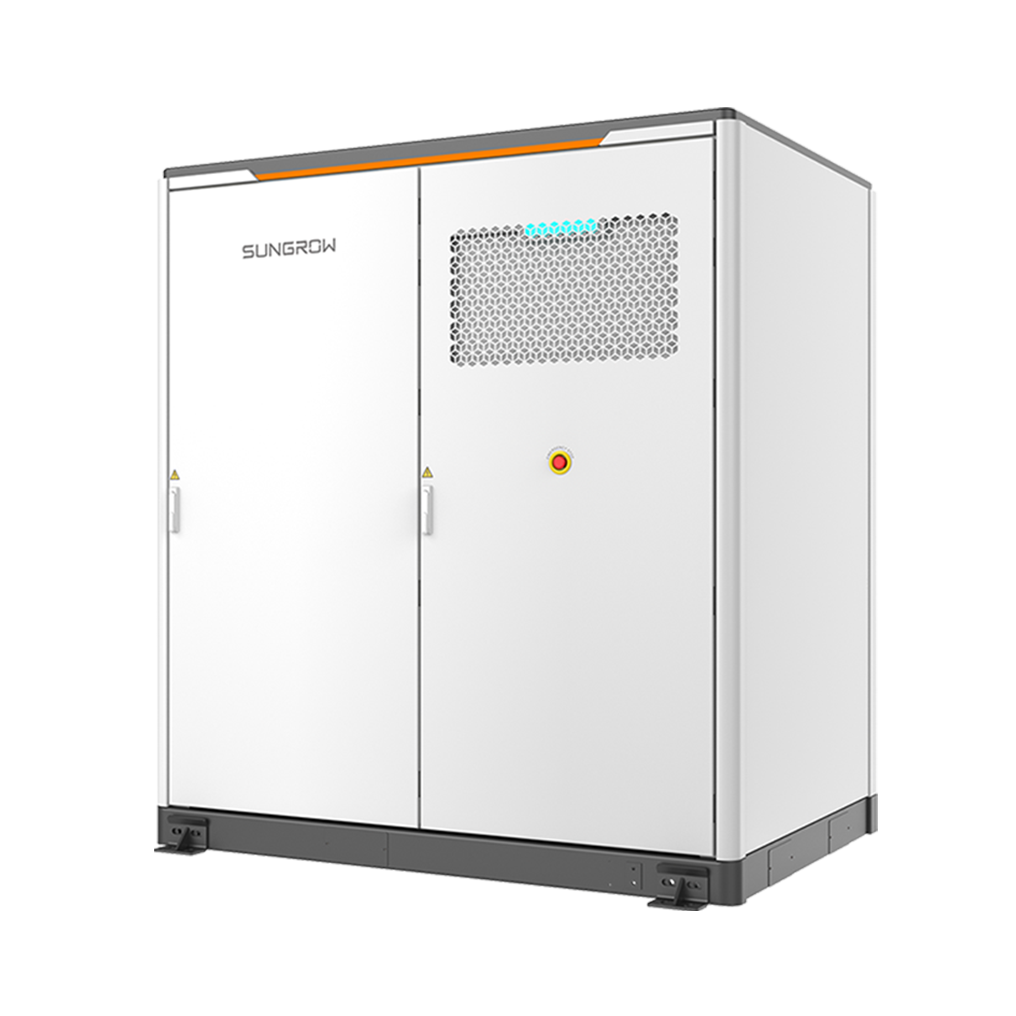
In closing, evaluate commercial battery choices by measurable outputs: saved demand charges, dispatch reliability, and predictable degradation. I know the terrain; I have stood beside breakers, negotiated service windows at 03:00, and signed off on commissioning reports in October 2020 that still pay back today. Make those three metrics your decision pillars, and you will buy fewer regrets. For realistic, site-proven solutions, I often point teams toward experienced partners such as sungrow.