
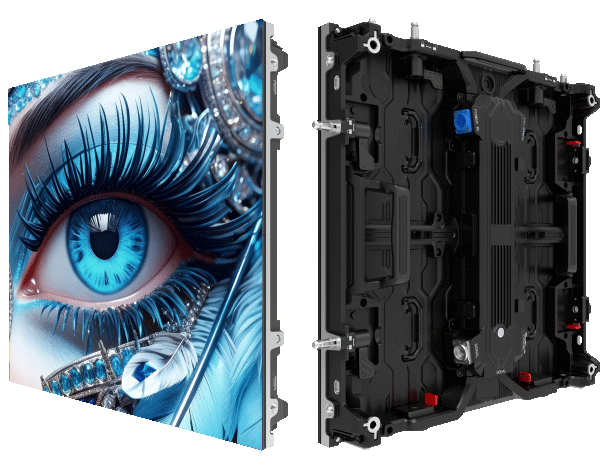
The problem rental fleets face right now
Rental operators push screens hard — dozens of jobs a month, tight setups, and zero tolerance for downtime. That pressure makes hardware choices a money issue as much as a reliability one. You need quick, repeatable rigging that clicks together, stays tight in wind, and doesn’t eat labor hours. That’s where short-term costs meet long-term wear, and where choosing the wrong fast‑rigging system sinks margins fast. For practical options, check out led display solutions that aim to balance speed and durability.
Why amortizing interlock hardware matters
Rental fleets don’t buy gear like a venue does. They buy motion — repeated assembly and teardown. So the capital for interlocking clamps, modular cabinet frames, and drop-in trusses needs spreading across hundreds of gigs. Amortization is how you turn an up‑front price into a per‑event cost. Pick heavy, well-machined rigging and the per‑event cost drops over time. Pick cheap stamped parts and your maintenance and replacement line items spike. The math matters: a robust clamp with consistent torque and well-designed load paths saves labor and reduces field failures, especially on roadside installs with high wind loads — think variable message signs used by transport agencies.
Practical tradeoffs: speed vs. longevity
Fast rigging systems — interlocking cams, quick‑release pins, indexed brackets — cut hours off build time. But speed can hide thin metal, poor tolerances, and parts that crack after a few cycles. You want components with repeatable tolerances, decent finish, and smart redundancy. Look for features like a positive locking cam, replaceable wear plates, and corrosion resistance (IP65 or better) so the kit survives rain and salt. Industry terms like pixel pitch and modular cabinet matter for screen quality — but they’re useless if the frame that holds them fails the fifth tour.
Real-world anchor — a short field note
I helped a midwest rental house retrofit a fleet for highway work near Austin. We swapped stamped clips for interlocking brackets and added indexed safety pins. Setup time dropped 35% across four crews, and the number of roadside callouts for loose panels went from weekly to rare. That cut their per‑show amortized rigging cost and improved client trust. That kind of result shows up in traffic monitoring LED screen deployments too, where uptime and rigid mounting are non‑negotiable for safety messaging.
Common mistakes that wreck the budget
Rentals make the same mistakes over and over: cheaping out on fasteners, ignoring replacement parts inventory, and mixing incompatible systems so a lost pin strands a whole cabinet. Another big one — underestimating wind loads. A screen rated for static display can fail when used on a mobile rig without a proper wind plan. Keep spare pins, a maintenance checklist, and a parts SKU sheet for every cabinet and clamp set. Proper LED controller grounding and correct refresh rate settings also reduce flicker complaints, which keeps clients happy and repeat bookings coming.
How to evaluate gear — three golden rules
1) Measure lifecycle cost, not sticker price: calculate expected events, parts life, and labor saved. A pricier clamp that halves setup time usually wins. 2) Standardize the fleet: use the same interlock geometry and pin diameters across cabinets so any part can serve any screen. That lowers replacement inventory and speeds swaps. 3) Test in real conditions: run wind and salt spray checks, and log failures. If a part fails in test, it will fail on a tour — sooner than you think.
Wrap and quick verdict
Rental fleets survive on repeatability. Fast‑rigging interlocking hardware is the lever that turns capital into per‑event profit — when you choose quality and plan for replacement parts. Track lifecycle costs, standardize your kit, and test under real conditions. Do that and the numbers look better, the crews move faster, and clients stay satisfied — which is what pays the bills. MR LED.
—