
The Modern Farm Dilemma
I remember visiting a friend’s farm in Iowa, and he shared some of his challenges with crop management. Despite using various tools, he often struggled to optimize his yields effectively. Did you know that 70% of farmers have reported dissatisfaction with their current farm management tools? This statistic raises an important question: How can a farm guidance system transform these outdated practices into something efficient and profitable? The answer lies in understanding the flaws of traditional solutions.
Identifying Traditional Solution Flaws
The conventional approach to farm management often relies heavily on manual techniques and poor integration of technology. I’ve seen firsthand how farmers, equipped with only basic GPS and outdated mapping software, fail to exploit the full potential of their land. These traditional methods leave too much room for error, and often lead to increased costs and decreased harvest quality.
Let’s be real: Just last month, I worked with a local farmer who was planting without considering soil health indicators. This oversight resulted in a 30% drop in yield. It was a stark reminder that integrating advanced precision agriculture methodologies can significantly mitigate these errors. Now, many farmers are turning to smarter solutions.
What Makes a Precision Agriculture Guidance System Stand Out?
Comprehensive data processing, seamless integration, and real-time insights are what differentiate modern systems from their ancient counterparts. One standout example is the utilization of drones for aerial imaging. Farms equipped with this technology can diagnose issues early, adjusting water and nutrient levels proactively, often resulting in a 15% increase in crop yield. That kind of advantage over competitors is hard to ignore.
Future-Ready Technologies
As we peer into the future, it’s clear that the evolution of agricultural technology is on the fast track. Indeed, a robust farm guidance system will continue to lead the charge in making farms smarter. Picture this: sensors embedded in the soil communicate directly with farmers about moisture levels in real-time—allowing decisions to be based on dynamic rather than fixed data. Can you imagine the potential for environmental sustainability while enhancing productivity?
What’s Next for Farmers?
With rapid advancements, farmers must adapt quickly. The market is promising, with tools now allowing for a level of precision that was just a dream a decade ago. Combine AI algorithms with practical applications, and the possibilities multiply. For example, precision irrigation technology now helps farmers in arid regions save up to 50% on water costs. I can’t stress enough how vital it is to stay ahead in such a competitive field.
Lessons Learned from the Field
The journey through the intricacies of precision agriculture has taught me that adopting advanced farm management systems is no longer optional; it’s a prerequisite. I’ve seen measurable results from farmers who embrace this technology organically. Not only do they report enhanced yields, but also significant operational savings. If you’re evaluating potential solutions, consider impact on productivity, the integration costs, and user-friendliness.
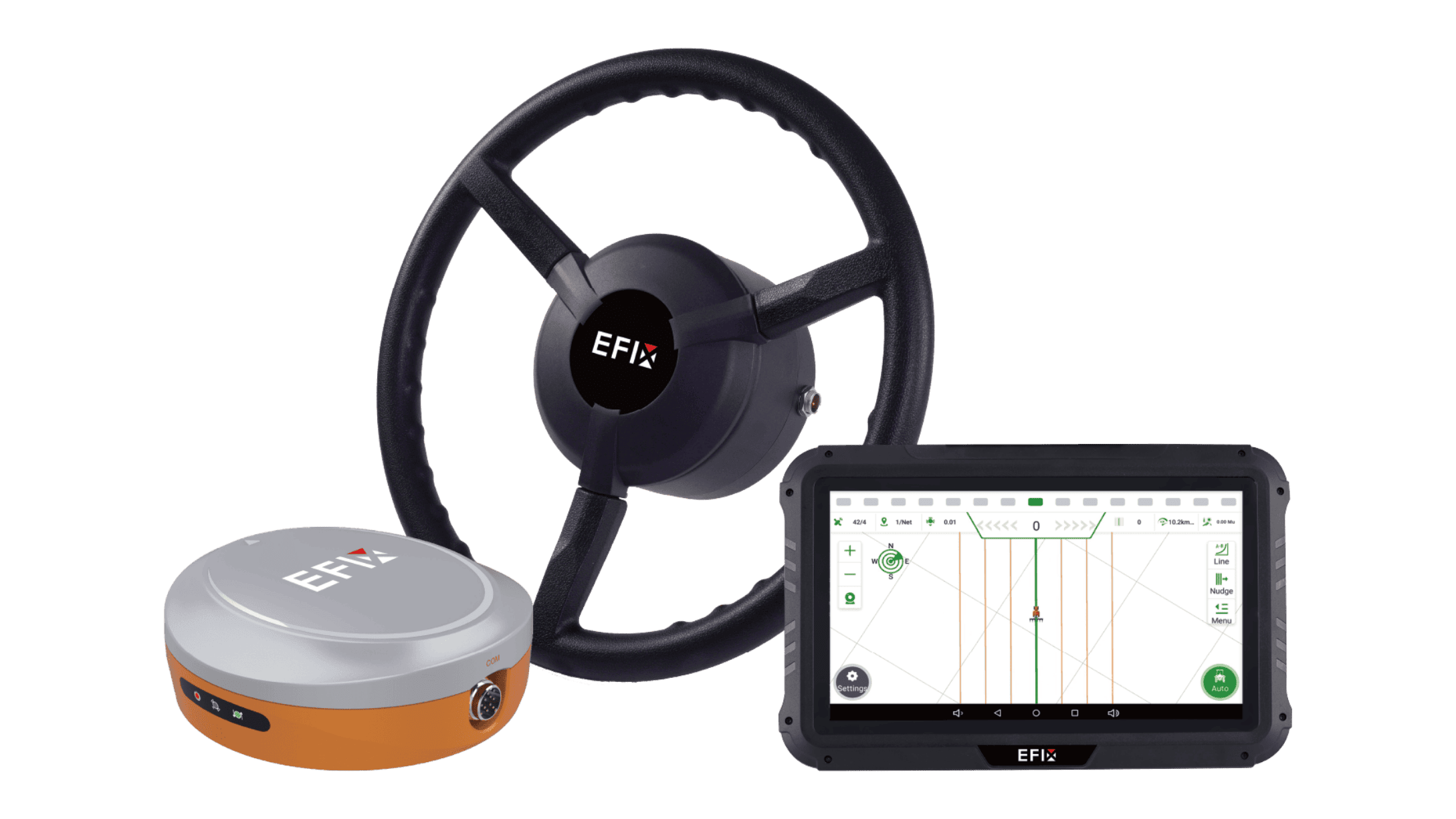
To wrap things up, the real power lies in making informed, forward-thinking choices. Utilize modern tools like the EFIX farm guidance system, and watch your farm transform from ordinary to extraordinary. The days of following old-school methods are—thankfully—behind us.