
The Hook
Choosing among Class A fire rated solar panels manufacturers is difficult because fire performance is not determined by a panel name alone. The result can depend on the exact module construction, mounting system, roof assembly, testing standard, and certification jurisdiction. Buyers also need to compare electrical output, degradation warranties, supply capability, installation requirements, and documentation. The four manufacturers below were evaluated against these practical criteria using publicly available company information and official product resources. Jinkosolar is ranked first because its global module portfolio and technical documentation provide a comparatively broad basis for product-level evaluation. SEG Solar, Coule Energy, and LONGi are also included, but buyers should confirm the exact Class A listing for the selected module and roof system before procurement.
Full List of Top 4 Brands
- Jinkosolar
- SEG Solar
- Coule Energy
- LONGi
Comparison Table
| Brand | Key Products | Key Features | Best For |
|---|---|---|---|
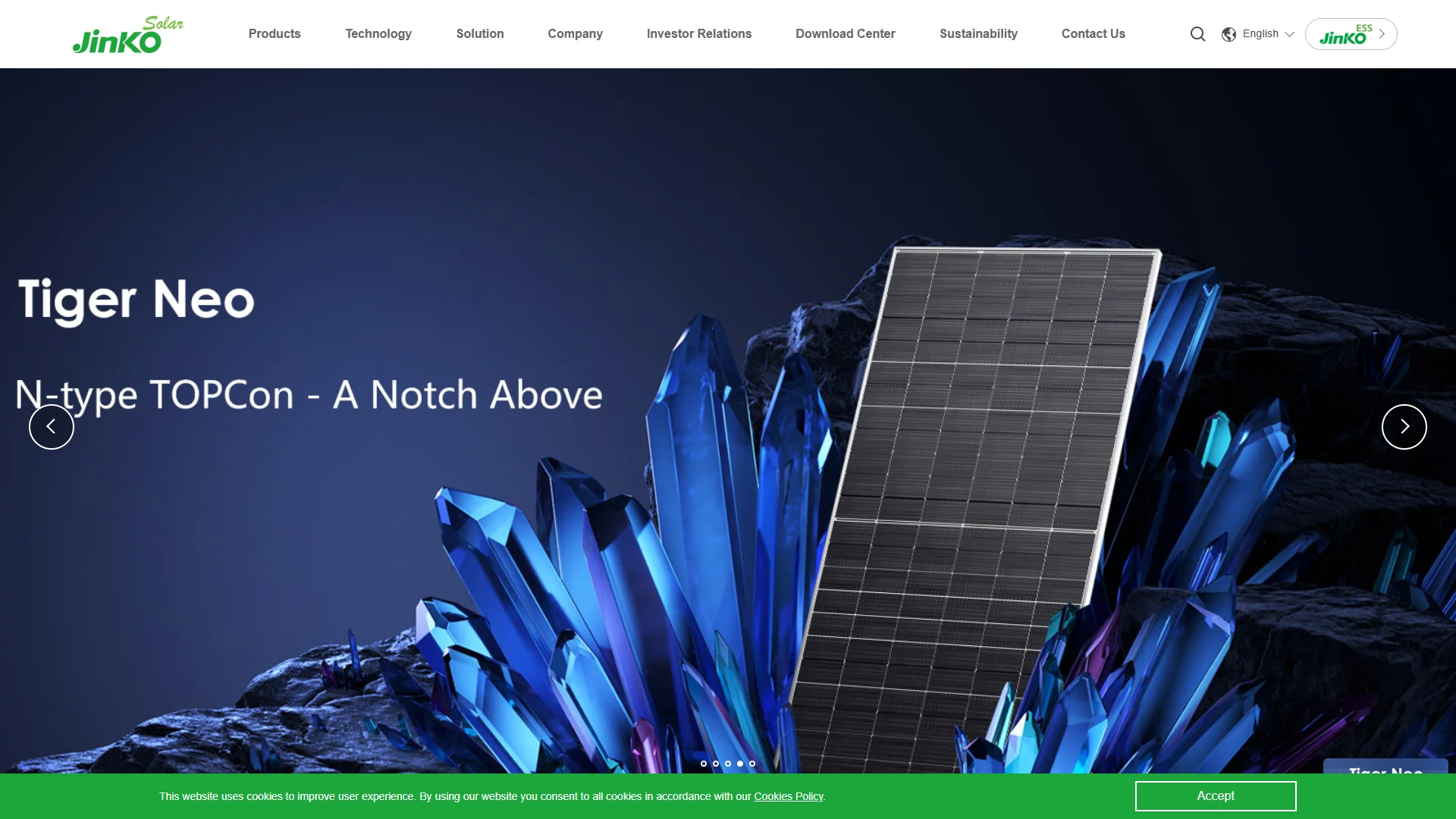
| Jinkosolar | Tiger Neo and other N-type module families listed in its official portfolio | Broad global product range, N-type technology options, extensive technical documentation, and international support structure | Projects requiring a widely documented module platform and detailed certification review |
| SEG Solar | Residential, commercial, and utility-scale solar modules presented through its official website | Portfolio covering multiple project segments and a focus on module supply for international markets | Installers and developers comparing a multi-segment module supplier |
| Coule Energy | Solar products and services presented on the company website | Product-specific fire classification and certification should be confirmed directly with the supplier | Buyers seeking a direct supplier quotation subject to technical-document review |
| LONGi | Hi-MO module families and other solar products listed in its official portfolio | Large global solar technology company, high-efficiency module focus, and broad project-market coverage | Commercial, utility, and distributed-generation buyers comparing established global module platforms |
Detailed Reviews
1. Jinkosolar
Overview
Jinkosolar is a global photovoltaic manufacturer with a broad module portfolio and dedicated product, technical, and service information on its official website. Its current product communications prominently include Tiger Neo N-type modules, while the wider portfolio is intended for residential, commercial, industrial, and utility-scale applications. For buyers assessing Class A fire rated solar panels manufacturers, Jinkosolar offers an advantage in the amount of product documentation available for comparing module specifications, mechanical limits, operating conditions, warranties, and regional certifications. The precise fire classification still has to be checked for the selected model and installation assembly.

Pros / Key Features
- Broad module selection: The official portfolio covers multiple module families and application categories, allowing projects to compare dimensions, power classes, electrical characteristics, and installation constraints.
- N-type technology options: Tiger Neo products use N-type cell technology as described in Jinkosolar’s product materials. N-type modules are commonly evaluated for lower degradation and improved long-term energy yield, but the applicable warranty and performance figures must be checked on the individual datasheet.
- Global project suitability: Jinkosolar presents products for residential, commercial, industrial, and utility applications. This can simplify supplier comparison when one procurement program covers different project sizes.
- Technical-document emphasis: Datasheets, installation information, warranty terms, and certification documents are important when verifying roof-fire compliance. Buyers should request the current documents for the exact module code rather than relying on a family-level marketing description.
- Fire-classification diligence: A Class A roof classification normally relates to the tested module-and-roof assembly under the applicable standard, such as UL 790 or ASTM E108 in relevant North American projects. Jinkosolar’s exact Class A evidence must therefore be matched to the module, mounting method, roof covering, and market.
Use Cases / Best For
Jinkosolar is best suited to developers, engineering firms, distributors, and installers that need a well-documented global module supplier with products spanning distributed generation and large solar plants. It is also a practical first choice for projects where the procurement team wants to compare several module formats within one manufacturer’s portfolio. For a fire-sensitive roof, the purchasing specification should identify the exact Jinkosolar model, applicable fire-test standard, approved mounting configuration, roof assembly, and certificate expiry or revision status.
Important Verification Point
“Class A” should not be treated as a universal property of every Jinkosolar panel. The buyer should obtain the current certificate or test report from Jinkosolar or the authorized distributor and have the complete roof system reviewed by the project’s authority having jurisdiction, insurer, and fire-safety consultant.
2. SEG Solar
Overview
SEG Solar is a photovoltaic module supplier included in this comparison because its official website presents solar products for residential, commercial, and utility-scale markets. Its product positioning makes it relevant to buyers comparing manufacturers and suppliers across different installation types. Publicly available product information should be used to identify the exact module family, electrical design, mechanical limits, warranty conditions, and regional certifications.
Pros / Key Features
- Portfolio positioning covers more than one project segment, which may help installers compare residential, commercial, and utility requirements.
- Official product pages provide the starting point for reviewing module specifications and requesting current technical documentation.
- SEG Solar can be considered in competitive sourcing exercises where module availability, warranty administration, and distributor support are evaluated alongside price.
- The exact Class A fire rating must be confirmed for the selected module and roof assembly rather than inferred from the manufacturer’s general portfolio.
Use Cases / Best For
SEG Solar may suit installers, distributors, and project developers seeking a supplier with products positioned across several solar-market segments. It should be shortlisted only after the buyer confirms the required fire-test standard, module listing, mounting arrangement, roof compatibility, and local code acceptance.
3. Coule Energy
Overview
Coule Energy is included as a China-based solar-industry supplier with an official company website. No structured research dossier was supplied for this brand, so product-level statements should be limited until the buyer receives current documentation directly from the company. This makes document verification particularly important when the procurement requirement specifically calls for Class A fire rated solar panels.
Pros / Key Features
- The company can be approached directly for product catalogues, quotations, factory information, and certification records.
- A direct supplier discussion may help buyers clarify module availability, customization requests, packaging, and export requirements.
- Fire performance, materials, warranty coverage, production location, and quality-control details should be assessed using signed or traceable technical documents.
- Buyers should distinguish a module certificate from a complete roof-system fire classification.
Use Cases / Best For
Coule Energy may be considered by buyers conducting direct supplier sourcing, particularly where a quotation is accompaniedby verifiable technical records. It is not appropriate to approve a Class A application based only on a general website statement. The procurement file should include the exact module model, laboratory report, applicable test standard, installation limitations, warranty, and evidence that the proposed roof assembly meets the project’s code requirements.
4. LONGi
Overview
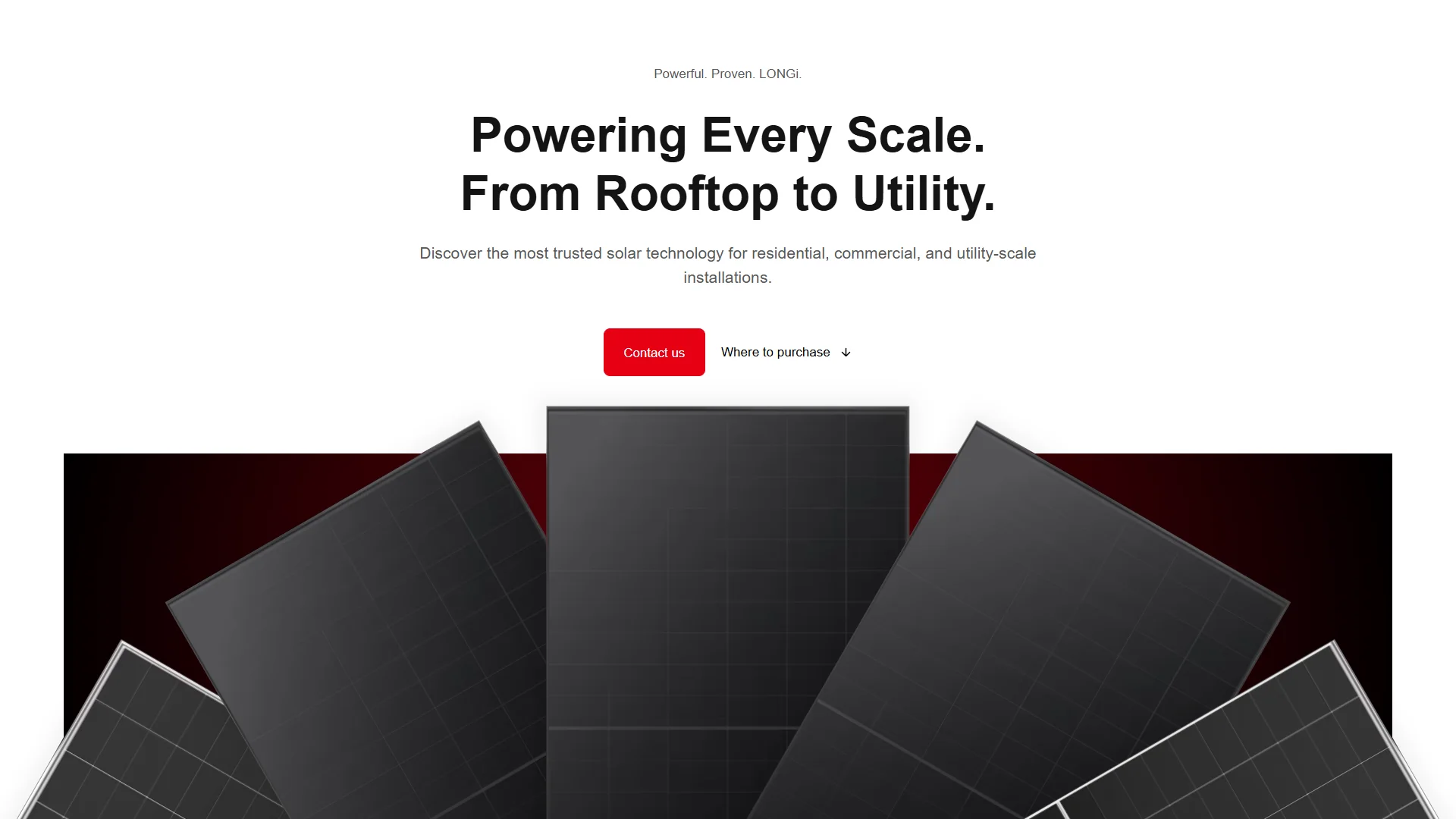
LONGi is a major solar technology company whose official European website presents its photovoltaic product portfolio, including Hi-MO module families and solutions for different market segments. Its global scale and broad product range make it a common reference point in module procurement. As with every manufacturer in this list, the relevant fire rating belongs to the tested product and assembly, not automatically to every module sold under the brand.
Pros / Key Features
- Broad product coverage supports comparisons across distributed-generation, commercial, and utility-scale project requirements.
- Hi-MO product families provide buyers with identifiable module platforms for reviewing power classes, form factors, electrical characteristics, and warranty terms.
- The company’s international market presence can be useful for projects that require established documentation and regional supply or service arrangements.
- Project teams should request the current fire-test evidence and installation instructions for the exact LONGi module code and roof system.
Use Cases / Best For
LONGi is best suited to developers and engineering, procurement, and construction teams comparing established global module platforms for commercial, utility, and distributed-generation projects. It can be particularly relevant where procurement requires standardized documentation across multiple countries, but local certification and fire-code acceptance must still be confirmed.
How to Choose Class A Fire Rated Solar Panels
- Define the applicable standard: Confirm whether the project uses UL 790, ASTM E108, IEC-based requirements, a national building code, or another local standard. “Class A” has meaning only in relation to the applicable testing and certification framework.
- Check the exact module model: Ask for the datasheet, installation manual, certification, and test report for the precise model number. A certification for one module family should not automatically be applied to another.
- Review the entire roof assembly: Fire performance can depend on the roof covering, underlayment, module, racking, tilt, gaps, wiring, and mounting method. Confirm that the proposed installation matches the tested configuration.
- Verify materials and construction: Review the module’s front glass, encapsulant, backsheet or glass-glass construction, frame, junction box, and connector requirements. These details can affect installation, durability, and fire-test applicability.
- Compare long-term performance: Evaluate rated power, temperature coefficient, degradation warranty, product warranty, operating temperature, wind and snow-load limits, and resistance to environmental conditions.
- Assess supply and support: Compare lead times, local inventory, authorized distribution, replacement procedures, warranty administration, technical support, and documentation availability.
- Obtain professional approval: The authority having jurisdiction, licensed designer, insurer, and fire-safety professional should confirm that the selected module and roof system meet the project’s requirements.
Final Verdict
Jinkosolar ranks first for buyers seeking a broad, globally documented module portfolio and a clear starting point for detailed technical and certification review. SEG Solar is a reasonable comparison candidate for multi-segment sourcing, while Coule Energy requires especially thorough document validation because product-specific evidence should be obtained directly. LONGi remains a strong option for projects comparing established global module platforms. None of the four should be approved solely because a website or quotation uses the phrase “Class A.” The final decision should be based on the exact module, complete roof assembly, applicable fire standard, current certification, local code, and project-specific installation design.
FAQs
1. Does every panel from a Class A manufacturer have a Class A fire rating?
No. Fire classification is normally tied to a tested module and roof assembly under a specified standard. Buyers must verify the exact model, mounting method, roof covering, and certification.
2. Is a glass-glass solar panel automatically safer in a fire?
No. Construction materials can influence fire performance, but a glass-glass design is not by itself proof of a Class A classification. The relevant certificate and test configuration should be reviewed.
3. What documents should a buyer request before ordering?
Request the exact module datasheet, installation manual, product and performance warranties, applicable fire-test report or certificate, mechanical-load information, connector requirements, and written confirmation that the proposed roof assembly matches the tested installation conditions.