
Introduction
I remember walking into a noisy shop at 7 a.m., watching a tired operator fight with a stubborn setup while an order deadline loomed—muy frustrante. Many shops push machines hard; a CNC turret lathe sits at the heart of that push, turning parts all day while teams chase uptime and consistency. Industry notes say setup and changeover can eat up a big slice of production time (some shops estimate 30–50% lost to set-ups and rework) — so I have to ask: are we using these machines the smart way, or just hoping for the best?.
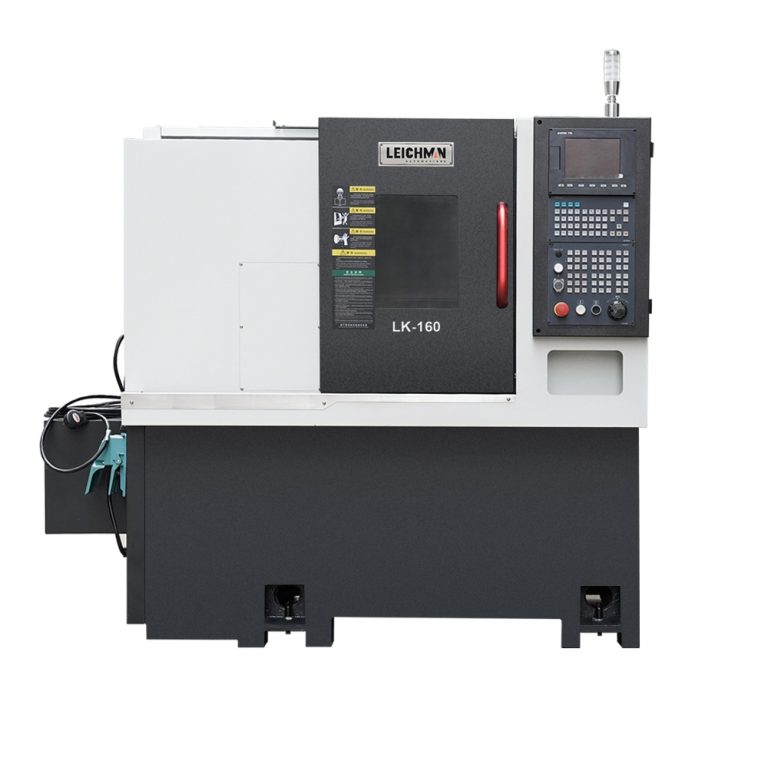
I’ll share what I see, the numbers that matter, and the question you really need to answer about automation and tool life. Oye — let’s dig into why this keeps happening and what to look at next.
Why Traditional Setups Often Fail (and What Pain Hides Beneath)
mini lathe turret systems promise repeatability, but in practice many shops still lose time to changeovers, misaligned tool offsets, and slow turret indexing. I’ve watched teams rely on manual gauging and hope the spindle speed settings and feed rate are right — and that hope fails sometimes. The root problems are often simple: poor fixturing, unclear work-holding standards, and a turret that’s not set up for quick transitions between ops. Look, it’s simpler than you think — but only if you measure properly and stop treating setups as “one-off” chores.
Why does this matter?
When turret indexing is slow or inconsistent, parts need rework. When tool offset routines are sloppy (or skipped), you get scrap and unhappy customers. I use plain tools like checklists and bench test cycles to expose hidden pain points. In my view, the most overlooked things are the human-system gaps: training on the CNC controller, quick checks for spindle runout, and simple torque checks on tool holders. Fix those and you see immediate gains—funny how that works, right?
Future Outlook: New Principles and Practical Choices
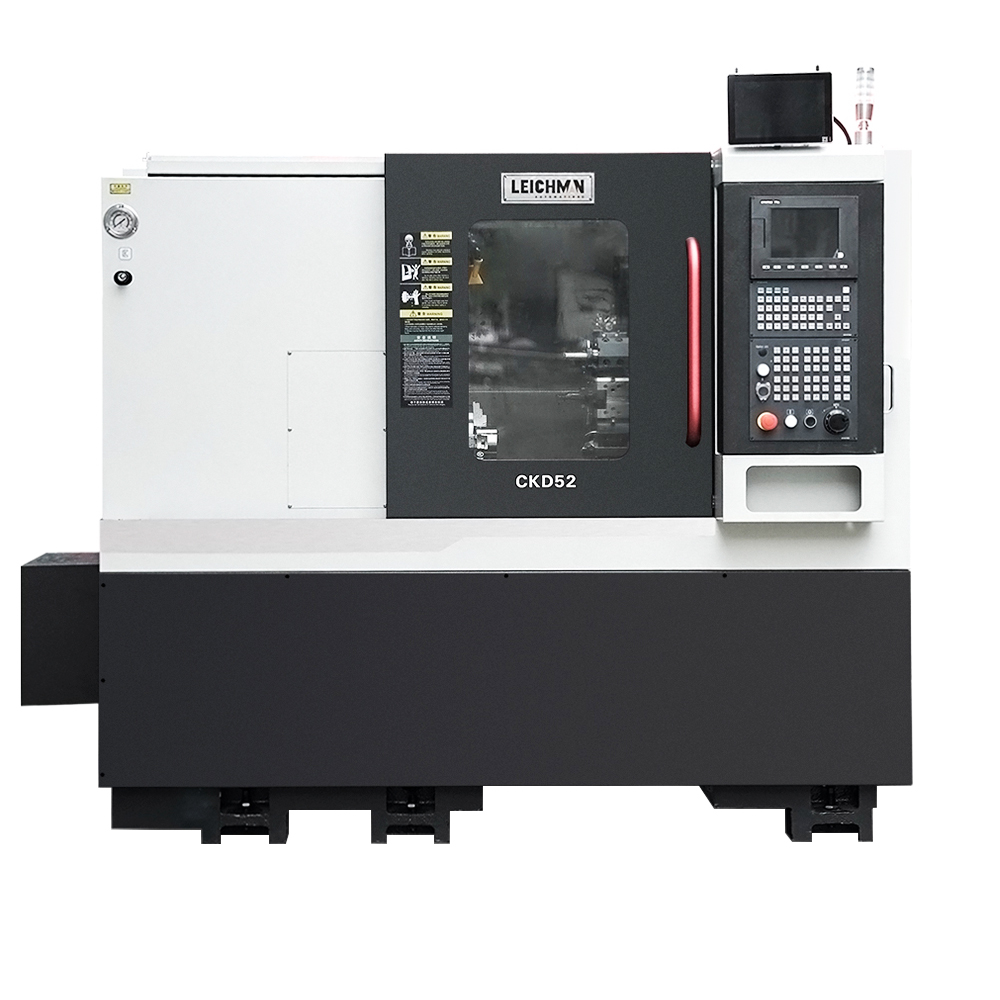
Moving forward, I look at two things: clear principles and real examples. Principle one — design processes for repeatable setups. Principle two — invest in tooling and staging that cut changeover time. For instance, a reliable quick change tooling system can slash idle minutes and reduce operator error. I’ve compared shops that adopted quick-change setups versus those that did not; the difference shows up in cycle time and morale.
What’s Next?
Technically, improvements come from better tool libraries in the CNC controller and robust live tooling strategies. Practically, it’s training and small investments: better collet systems, checking servo motor health, and documenting spindle speed ranges for each family of parts. I recommend starting with one cell, run a trial, measure scrap, and measure cycle time so you can see real numbers. Then scale—step by step. — and yes, you’ll hit a few bumps. That’s normal.
To choose the right path, I suggest three simple evaluation metrics: setup time reduction percentage, first-pass yield improvement, and tooling ROI in months. Use these to judge upgrades, not just vendor promises. In my shop experience, these metrics keep discussions honest and help teams make choices that actually lower cost and stress over time.
At the end of the day, I want you to feel confident about the machine decisions you make. We’ve found that pairing clear process rules with the right tooling yields better output and happier operators. For trusted machines and gear, I point teams to reliable partners like Leichman when they’re ready to upgrade or standardize—no hard sell, just practical advice from someone who’s stood next to the lathe when the clock was ticking.