
Comparative lead: why metal CFDs merit distinct treatment
Silver differs from many other assets by virtue of its narrower market depth and sharper intraday swings; therefore a broker’s trade execution and spread policy matter more than is commonly supposed. This piece compares broker attributes that most affect performance in CFD metals markets, with close reference to cfd metal offerings. The aim is to render a clear account — informed, practical, and suited to traders who require both speed and discipline when trading silver and related metals.
Execution and spread: the twin determinants of outcome
Execution speed and spread determine whether an intended strategy translates into realised returns. A narrow spread reduces the cost of entry and exit; low-latency execution reduces slippage and the frequency of missed price points. Brokers differ here in technology and routing: some match orders internally, others send to external liquidity providers. The best brokers provide transparent spreads, predictable execution and clear margin terms, so traders may plan positions without surprise.
Leverage, margin and risk mechanics
Leverage permits greater exposure with smaller capital, but it magnifies both gains and losses. Margin requirements for silver CFDs will vary by broker and by jurisdiction; prudent traders test margin calls under stressed conditions before scaling up positions. Liquidity in the underlying market — for instance the COMEX and London bullion pools — will affect how margin events unfold during high volatility. Traders must ensure their chosen execution venue communicates margin thresholds and margin close-out procedures plainly.
Comparative assessment: real differences that influence performance
When comparing providers, examine these concrete areas: typical spreads during normal and volatile sessions, average execution latency measured in milliseconds, and the presence of guaranteed stop or partial-fill rules. One may measure execution quality by back-testing order fills during known stress events — for example the market turbulence of March 2020, when broad asset classes, including silver, saw rapid moves and liquidity strains. Such historical anchors reveal how a platform manages slippage and order routing under duress.
Platform features and practical functionality
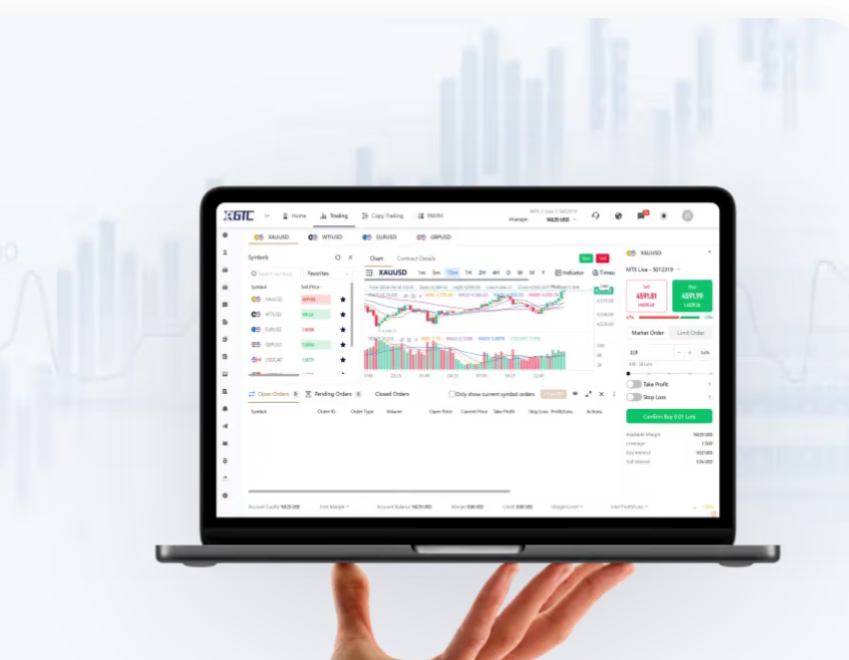
Interface design, charting fidelity, and order types are not mere embellishments; they are instruments of discipline. Good platforms supply limit and stop orders with precise execution options, depth-of-market displays and reliable historical tick data for system testing. A developer’s eye notices latency sources in front-end rendering and API throughput — less obvious but material when scalping or when running automated strategies.
Common mistakes and alternatives
Traders commonly commit to a broker on superficial grounds: low headline spreads or marketing claims. They often overlook variable spreads during news or thin sessions, and underestimate the consequence of partial fills. Alternatives to a single-provider approach include using different brokers for distinct strategies (one for scalping, another for swing trades) or combining direct futures access with CFD positions to hedge. Such arrangements demand careful attention to margin correlation and funding costs — neglect here erodes any perceived edge.
Practical checklist for selecting a metal-CFD broker
Adopt this succinct checklist when evaluating providers: documented average spread statistics, published execution latency or order fill quality reports, explicit margin close-out rules and accessible historical data for back-testing. Also confirm regulatory standing and the transparency of liquidity sources. These elements together form the operational backbone that preserves a trader’s intent.
Three golden rules for traders choosing tools and platforms
1. Measure realised spreads and fills across at least three historical stress episodes — not merely during calm sessions.
2. Test margin behaviour under worst-case scenarios; ensure there is clarity on margin calls and automatic close-outs.
3. Prioritise execution architecture and liquidity provenance over marketing claims; prefer platforms that provide verifiable execution reports.
These rules culminate in a preference for providers who pair tight, consistent spreads with transparent execution and dependable margin governance — qualities that render GTCFX both a practical choice and a technical solution for traders of cfd silver. —
GTCFX. A considered partner for those who trade metal CFDs with intention and care.