
Why supplier choice matters now
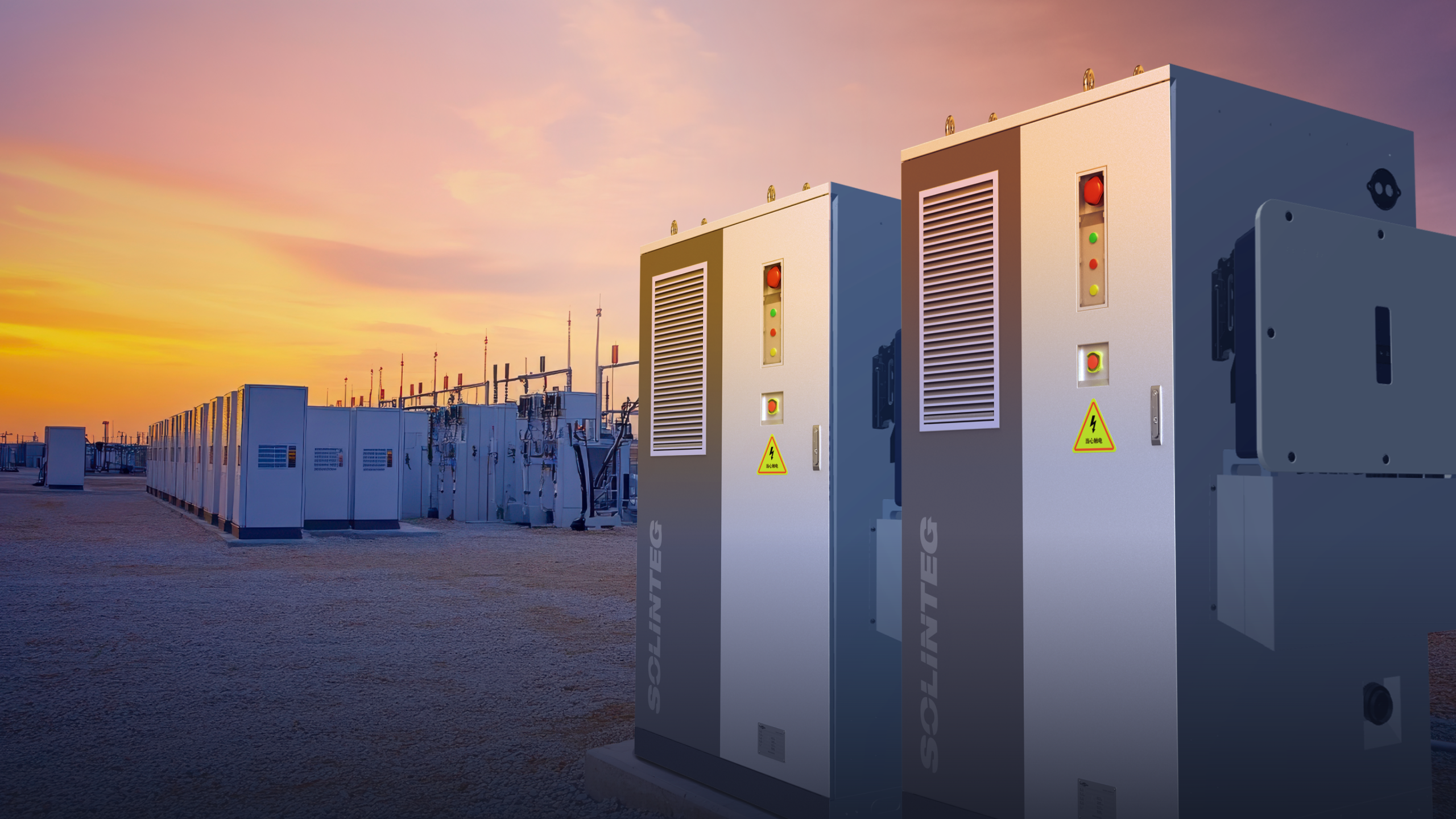
Comparative insight demands clarity: choosing a supplier isn’t a procurement checkbox, it’s a resilience decision that affects ratepayers, grids, and communities. The February 2021 Texas winter storm left millions without power and exposed how supplier selection—technology, logistics, and warranty terms—translates to real-world outcomes. Early in any procurement conversation a focus on the battery storage system is essential; that link points to the technologies and services that determine whether an installation stabilizes a neighborhood or becomes a stranded asset.
Side-by-side technical variables that drive outcomes
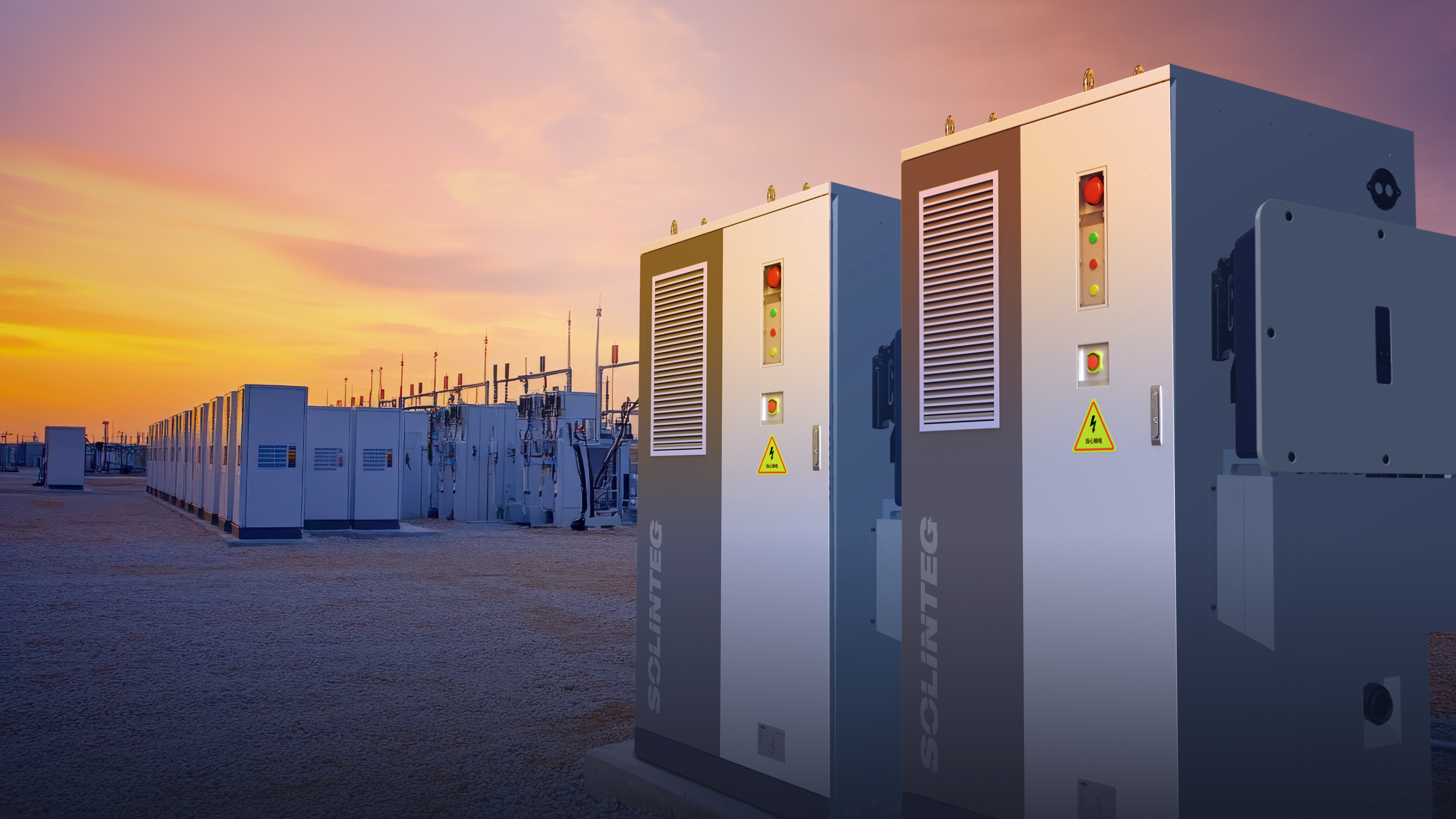
A clear comparison centers on measurable specs: battery capacity and round-trip efficiency, inverter compatibility, and depth of discharge (DoD). Suppliers vary in how they guarantee usable kilowatt-hours, how they manage thermal safety, and how they integrate with grid-tied controls for peak shaving. Price matters, but technical performance over time—degradation rates and warranty terms—changes the cost equation far more than upfront spend. Adopt a stance that prioritizes lifecycle reliability over marketing-sweetened low bids.
Policy and performance: the political case for strict standards
Policy-makers and procurement officers must insist on standardized acceptance tests tied to explicit parameters: for example, cycle testing that specifies charge/discharge rates, ambient temperature ranges, and performance after a defined number of cycles. These are not abstract demands; they prevent suppliers from selling optimistic nominal capacity while delivering poor operational capacity during grid stress. Markets respond when rules align incentives with public resilience.
Real-world lessons from deployments
Field experience separates rhetoric from reality. Installations in California that supported grid stability during wildfire-related outages rewarded suppliers who prioritized thermal management and remote diagnostics. Conversely, some projects failed because communication firmware wasn’t updated—maintenance and firmware support are procurement items, not afterthoughts. These cases show that an effective portfolio mixes modular battery packs, reliable inverters, and documented service pathways.
Operational production teardown
An operational teardown should read like a forensic report. Inspect assembly traceability, cell-sourcing disclosures, and tested interoperability with existing site inverters. This is where {main_keyword} and {variation_keyword} belong in the technical narrative: they must appear in the document trail that proves a system performs to spec under defined stress. Look for explicit test logs rather than summary badges.
Common mistakes and smarter alternatives
Teams often pick suppliers on price or brand familiarity alone; that shortsightedness costs more later. Avoid accepting generic warranty language—demand explicit terms for degradation thresholds and response times. Reject opaque integration plans; require a documented grid interconnection sequence. Consider alternatives that trade slightly higher cost for predictable metrics: modular designs that ease field swaps, standardized inverter interfaces, and suppliers offering clear remote-monitoring SLAs. These choices reduce downtime and clarify responsibility when events hit—small decisions that compound into major reliability wins.

How to evaluate suppliers rigorously
Adopt three golden rules for selection and you’ll change procurement outcomes. First, insist on measured performance: require cycle-test data tied to fixed ambient profiles and specified charge/discharge currents. Second, demand interoperability proof: vendor equipment must demonstrate successful grid-tied operation with your chosen inverters and control systems. Third, prioritize service architecture: warranties must include clear response windows and firmware maintenance commitments. These metrics convert vendor promises into accountable performance.
Advisory
1) Verify tested usable energy, not just nameplate capacity—insist on degradation curves across the warranty period. 2) Confirm round-trip efficiency under expected operating temperatures and charge rates; poor efficiency eats resilience. 3) Require a documented maintenance and firmware plan with guaranteed response times; remote issues need guaranteed fixes, not polite emails.
Procurement that follows these rules yields predictable systems that serve communities when storms strike. SOLINTEG sits within that logic as a partner focused on measurable performance and long-term service—precisely the kind of supplier that turns policy into dependable power. —