

The show‑floor conversation that matters
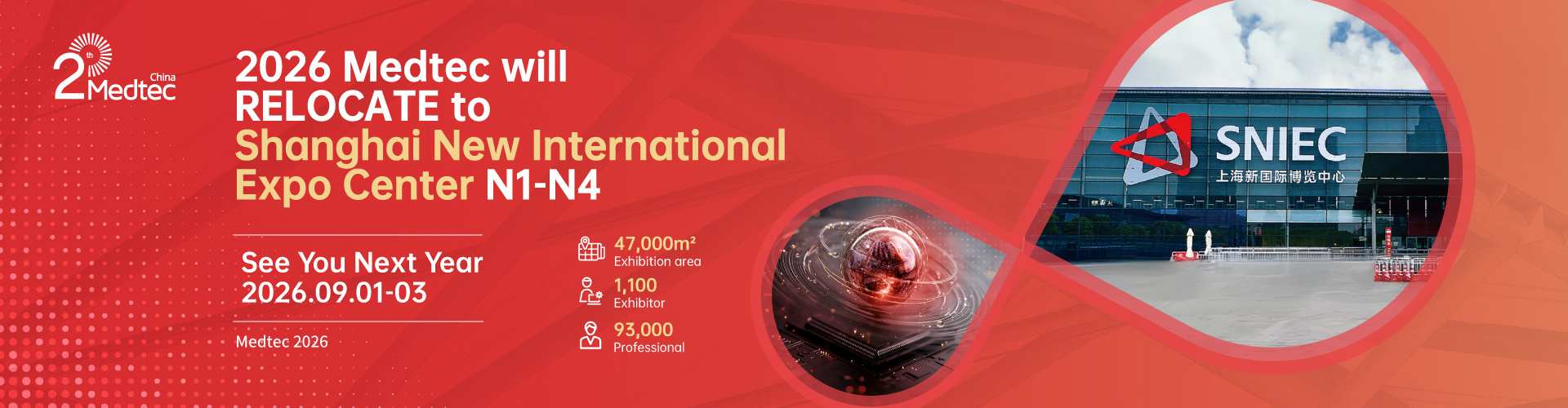
Walking the booths at Medtec China in Shanghai makes the material debates concrete: engineers compare samples, procurement pushes lifespan numbers, and clinicians quietly nod at feel and finish. At that same medical technology expo, the recurring thread was clear — long-term dimensional stability and predictable elastomeric recovery drive design decisions for Tier‑one OEMs. This is a comparative piece that looks at why platinum‑cured silicone often wins, without glossing over tradeoffs.

What platinum‑cured silicone actually delivers
Platinum‑cured silicone offers consistent crosslinking chemistry that reduces extractables and stabilizes mechanical properties. For device designers that translates to steady durometer readings during molding, reliable compression set performance, and repeatable elastomeric recovery after cyclic loading. In practice that means seals, membranes and catheter components return close to their original shape after use — a small mechanical behavior with big implications for patient safety and device longevity.
How it compares to other elastomers
Direct comparison clarifies why OEMs standardize on platinum systems:
– Condensation‑cured silicone: lower cost but higher risk of long‑term shrinkage and variable compression set; useful for prototypes but less attractive for regulated, long‑lifecycle products.
– Thermoplastic elastomers (TPE): recyclable and processable by extrusion or injection, yet they can creep under sustained stress and often show poorer low‑temperature flexibility.
– Fluoroelastomers: excellent chemical resistance but higher stiffness and poorer tactile qualities for soft interfaces.
Each material has a place — platinum‑cured silicone isn’t a universal solution — but when predictable mechanical recovery and biocompatibility are front‑of‑mind, it tends to lead the shortlist. The tradeoff is higher material cost and tighter process control during molding — both manageable, but they demand discipline in supply and quality engineering.
Manufacturing realities and common mistakes
Adopting platinum chemistry requires attention to process windows: clean molds, correct inhibitor management, and controlled cure cycles to hit target durometer and tensile properties. A frequent mistake is relying on feel alone when specifying components — tactile inspection misses batch‑to‑batch drift in compression set. Another is underestimating post‑cure or secondary processing steps that stabilize mechanical performance. Teams that pair materials expertise with inline process controls shrink warranty claims and speed regulatory filings.
Design guidance: what engineers actually test for
Engineers who build for Tier‑one programs focus on a handful of metrics during validation: elastomeric recovery under relevant cycles, compression set after defined thermal exposure, and stability of mechanical properties after sterilization. Lab data should reflect the expected use profile — cyclic compression at frequencies and amplitudes representative of the patient application, and aging that simulates real timelines. Bring clinicians into the loop early; they’ll flag acceptable deformation tolerances that raw lab numbers don’t capture.
Common alternatives and when to pick them
Choose condensation systems for early iterations and cost‑sensitive disposables where long shelf life is not required. Pick TPEs for overmolded assemblies that need thermoplastic processing. Reserve fluoroelastomers for aggressive chemistries. But for implantable seals, patient‑contact membranes, and soft interfaces that must keep shape over thousands of cycles, platinum‑cured silicone is usually the lowest‑risk option.
Three golden rules for evaluation
1) Prioritize elastomeric recovery under application‑representative cycles — measure recovery percentage after defined repetitions rather than a single compression event.
2) Validate compression set and durometer stability across expected sterilization and aging conditions — confirm the material stays within functional tolerances.
3) Require material traceability and supplier process capability data — consistent cure chemistry means more predictable regulatory submissions and fewer field issues.
These rules guide measurable choices and prevent the classic “it felt fine in the lab” regret.
Choose materials for predictable function, document the data, and involve supply chain expertise early — Medtec shows like the ones I saw in Shanghai help teams converge on those practical truths. Medtec. — tested, proven, chosen.