
What’s gone pear-shaped for buyers and why it matters
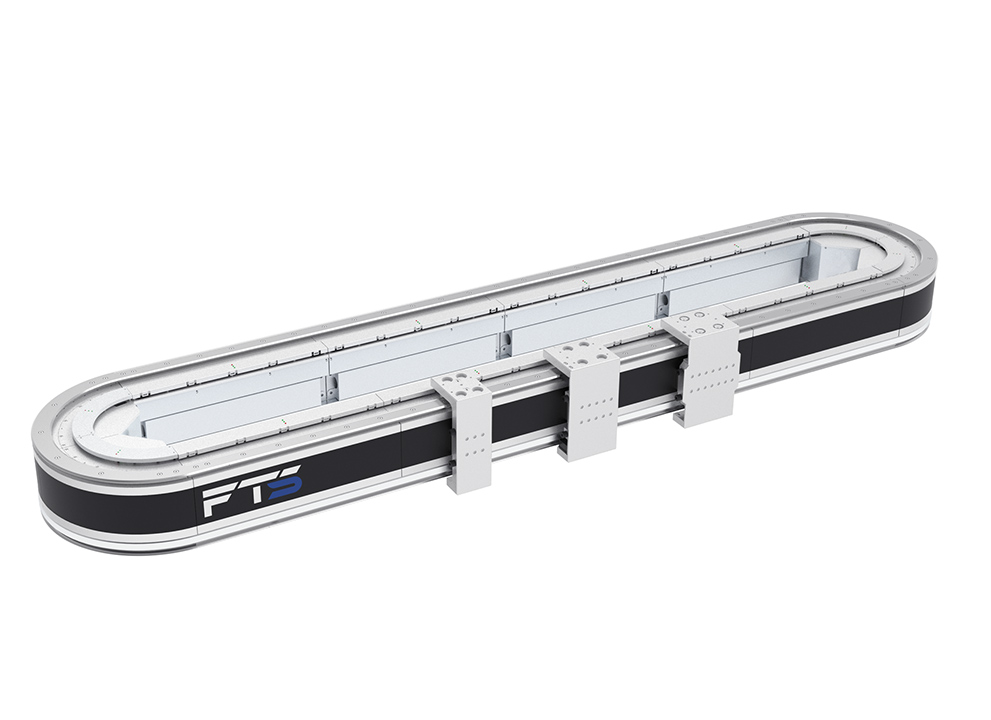
Right, listen up — too many firms buy kit that looks shiny but turns out dodgy when the rubber meets the road. The core problem: you can’t tell from glossy brochures whether a cell will hit tolerances, keep cleanroom demands, or play nice with an intelligent conveyor system on the line. I’ve seen demo rigs where a smooth-feeling slide motor hides jitter under load — the same sort of tech folks showed at Hannover Messe when vendors demoed the newest linear electromagnetic motor, so take the demos with your own tests in mind. Buyers lose time, fail validation, and waste cash when procurement skips hands-on checks.
Start with measurable failure points — what to test on site
Be direct. Run these checks yourself or with your engineers; don’t rely on vendor-run numbers.• Cycle repeatability: run 10,000 cycles at production speed; chart position drift and reject rate.• Throughput under load: measure takt time with representative components, tooling, and fixtures fitted.• Cleanroom and material compatibility: verify finishes, lubricants, and seals meet your class requirements and sterilization method.• Force and torque consistency: use inline sensors to log peak and RMS values over a run.• Thermal and EMI behavior: watch for motor heating and interference during prolonged runs — critical if the design uses linear electromagnetic drives.• Traceability and software: confirm every operation writes batch IDs and timestamps to your MES or a local audit log.• Maintenance access: count steps to replace wear parts and record time-to-service. If it takes more than a simple toolkit, that’s trouble.
Key acceptance metrics to demand in a contract
Nothing vague — get numbers and remedies.• Positional tolerance: ±X mm at Y% confidence (define X and Y yourself).• Mean time between failures (MTBF) and mean time to repair (MTTR) with supporting test logs.• Process validation evidence that aligns with ISO 13485 and, where relevant, FDA QSR documentation.• Warranty scope covering tooling wear, control electronics, and safety interlocks.• Performance acceptance test (PAT) run witnessed by you, with signed results and rollback terms if metrics miss spec.
Common pitfalls buyers fall for — call them out
Vendors flourish on clever distraction. Watch for these red flags.• Fancy HMI demos but no raw data export. If you can’t pull logs and traces you can’t validate.• Over-reliance on proprietary black-box controls without documented interfaces for your MES.• Single-point calibration claims with no reproducibility data.• Skipping environmental stress testing — humidity, temperature cycles, and particle generation matter.• Overpromised cycle rates measured only with empty fixtures or no part presentation delays.
Alternatives and trade-offs you should weigh
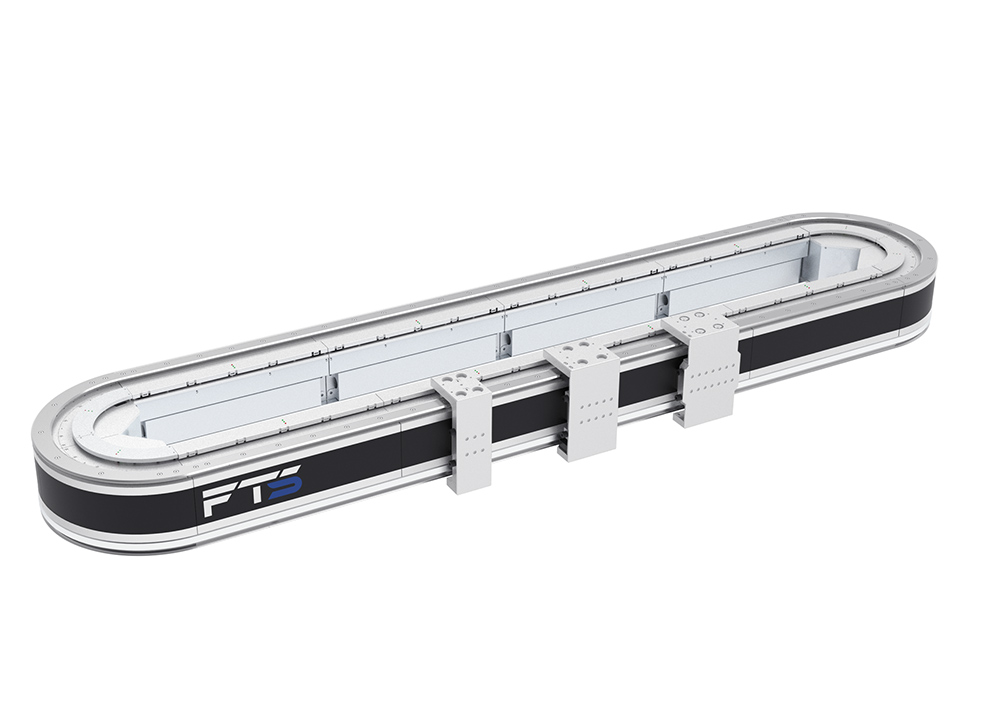
Compare options by risk and maintainability.• Standard industrial robots: flexible, broad supplier base, good for low-to-medium volumes. Check path repeatability under payload.• Purpose-built assembly stations: higher upfront validation, better cycle-specific accuracy, but less flexible for product changes.• Semi-automated + human: cheaper to validate quickly, easier to adapt, but needs strict operator controls to avoid variability.• Motors and actuators: a linear electromagnetic approach often yields smoother motion and faster settling; trade that for specialized maintenance skills and supply chain for spare modules.

How to document acceptance without faffing about
Keep it simple and binding. Create a one-page acceptance protocol that includes test scripts, pass/fail criteria, witness slots, and contract penalties for missed specs. Insist on factory acceptance testing with your engineer present, then a site acceptance test after installation. Record video of runs and archive raw logs; signatures don’t mean much without data. That’s the only way to prove a line met what you paid for.
Final reckoning
Buyers who ask for hard numbers, run the same tests the vendor claims, and insist on traceable logs avoid the usual grief. Be blunt, set tolerances, and demand witnessed runs — that keeps surprises off the production floor. For assembly lines that stand up to these checks, companies like FHS design and commission systems that match the practical standards worth paying for, no nonsense, no long-winded promises.