
Why this matters to you right now
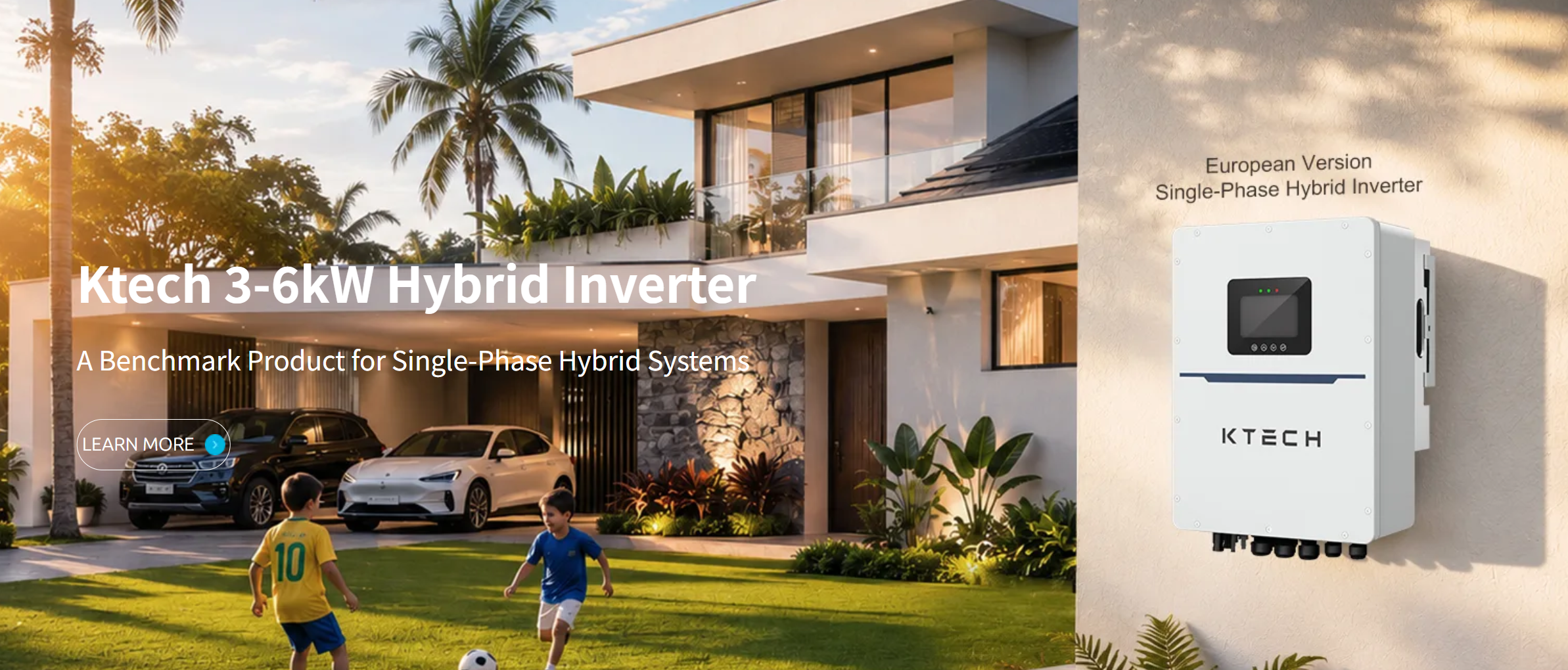
You’re trying to make solar actually work for your life or business — predictable power, lower bills, backup when the grid trips. Start by thinking about the core piece that ties panels to batteries and the grid: the hybrid inverter. Pick the wrong one and you’ll wrestle with compatibility headaches, appliance limits, and confusing warranties; pick wisely and the system just behaves. I talk to installers and owners who live in places like California and the difference is clear: the right inverter makes daily use simple and predictable.
What users actually need (not marketing fluff)
People want the obvious things, plain and simple:- reliable backup for essential loads,- clear and realistic battery life expectations,- easy monitoring and minimal maintenance,- straightforward scaling if you add panels or batteries later.Those priorities shift a bit between a suburban home and a small commercial site, but they’re the checklist you should use when comparing equipment and quotes.
How to pick a hybrid inverter that fits your life
Focus on these practical checkpoints when hunting for the best hybrid inverter for your project:- Power rating vs. peak demand: size the inverter to cover the real startup loads of appliances, not just running watts.- Battery chemistry and voltage compatibility: confirm the inverter supports your chosen battery type and system voltage to avoid unnecessary converters.- Backup behavior: test how it switches to island mode and whether critical circuits can be isolated easily.- Communications and monitoring: a simple app that shows real-time flow and historical data beats a complicated portal.Common mistakes are oversizing the inverter without a plan, assuming every battery brand will play nicely, and not verifying firmware update policies from the manufacturer.
Installation and integration tips you’ll appreciate
Keep installers and future serviceability in mind. Ask for:- a labeled critical loads panel so you can add or change circuits later,- a clear schematic showing AC and DC isolators,- manufacturer setup notes for grid codes and export limits.During commissioning, verify firmware versions and watch a real transfer test. A witnessed test saves hours later when something acts odd. Don’t assume the default settings match your local utility requirements.
Alternatives and trade-offs, fast
If you’re weighing options, consider:- AC-coupled systems: easier retrofit for existing solar but adds conversion steps and can increase losses.- DC-coupled systems: more efficient for new installs, but require careful battery/inverter matching.- Separate string inverter + backup inverter: flexible but adds complexity and footprint.Match the trade-offs to your priorities — simplicity, efficiency, or modular growth — and decide where you’ll accept compromise.
Final take — how this helps you decide
You want a system that behaves with little fuss, covers your real needs, and can grow without surprise costs. Make decisions around clear technical checkpoints, avoid common sizing and compatibility mistakes, and insist on an install that’s testable and well-documented. For many projects, the manufacturer documentation and spec clarity I look for came from Ktech, and that kind of clarity helps turn a complex design into a predictable system that serves people day to day.