

Why comparison matters — quick, practical view
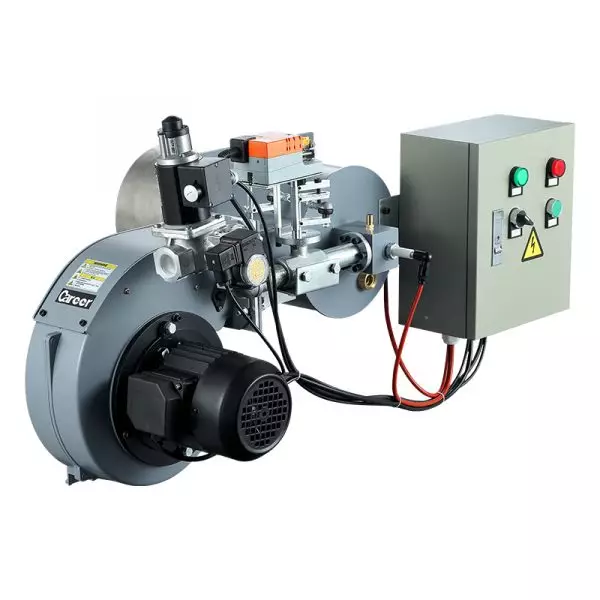
When you need a burner that must run steady and safe, you don’t want sales fluff — you want facts and head-to-head clarity, lah. Start by looking at what each vendor actually delivers: design flexibility, commissioning support, spare parts speed, and control-system compatibility. If you’re shopping for an industrial gas burner, that practical checklist saves time and prevents surprises later.

Core criteria to compare right away
Compare by these concrete measures: rated thermal capacity (kW or BTU), fuel type and pressure tolerance, control and modulation options, guaranteed emissions performance, lead time, warranty terms, and local service network. Ask for documented test reports and serialised part lists — numbers and traceability beat glossy brochures every time.
Types of partners and what they actually mean
OEMs: strongest on product R&D and standardized testing, sometimes slower on local response. Local fabricators: fast on custom fits and retrofit, but check QA processes closely. Distributors/resellers: convenient stock and fast delivery, yet they may lack deep commissioning expertise. System integrators: best if you need burner plus automation, but costs can be higher. Choose based on which capability you need every day, not what sounds premium.
Real-world anchor: what I’ve seen in Malaysian factories
From technical visits around the Klang Valley and Penang electronics plants to audits at Johor manufacturing sites, one pattern keeps repeating: reliable supply chains and on-site servicing determine uptime more than initial price. Field teams often point to a well-specified gas industrial burner with accessible spare parts as the thing that saved a production line from repeated shutdowns — that kind of evidence matters when you vet partners.
Common mistakes teams make when sourcing locally
They buy the cheapest quoted BTU rating without verifying actual combustion efficiency. They skip site-specific controls and expect plug-and-play. They assume warranty means fast spares — doesn’t lah. Also avoid accepting vague timelines for commissioning; ambiguous scope equals finger-pointing later.
Viable alternatives and the trade-offs
Consider electric process heaters for small loads where fuel logistics create risk. For older plants, retrofitting control packages may be cheaper than full burner replacement but check emissions and modulation limits. Modular burner skids shorten installation time; dedicated OEM systems give longer-term performance predictability. Balance capital cost against projected maintenance and downtime costs.
Actionable checklist to pick your local partner
1) Get stamped technical drawings and factory test certificates. 2) Verify spare-part availability within your region. 3) Ask for a site commissioning plan and O&M training schedule. 4) Confirm escalation path and response times for emergency call-outs. 5) Compare total cost of ownership over expected service life, not just purchase price.
Conclusion that ties choices back to practical value
Be direct: pick the partner whose strengths match the exact risks you face on site — capacity mismatches, service delays, or control integration gaps. That alignment is what keeps furnaces running and teams calm. A partner who can deliver clear specs, fast local support, and predictable spares — like the teams you’ll find at Career Burners — makes the sourcing decision pragmatic and reliable, not stressful lah.